




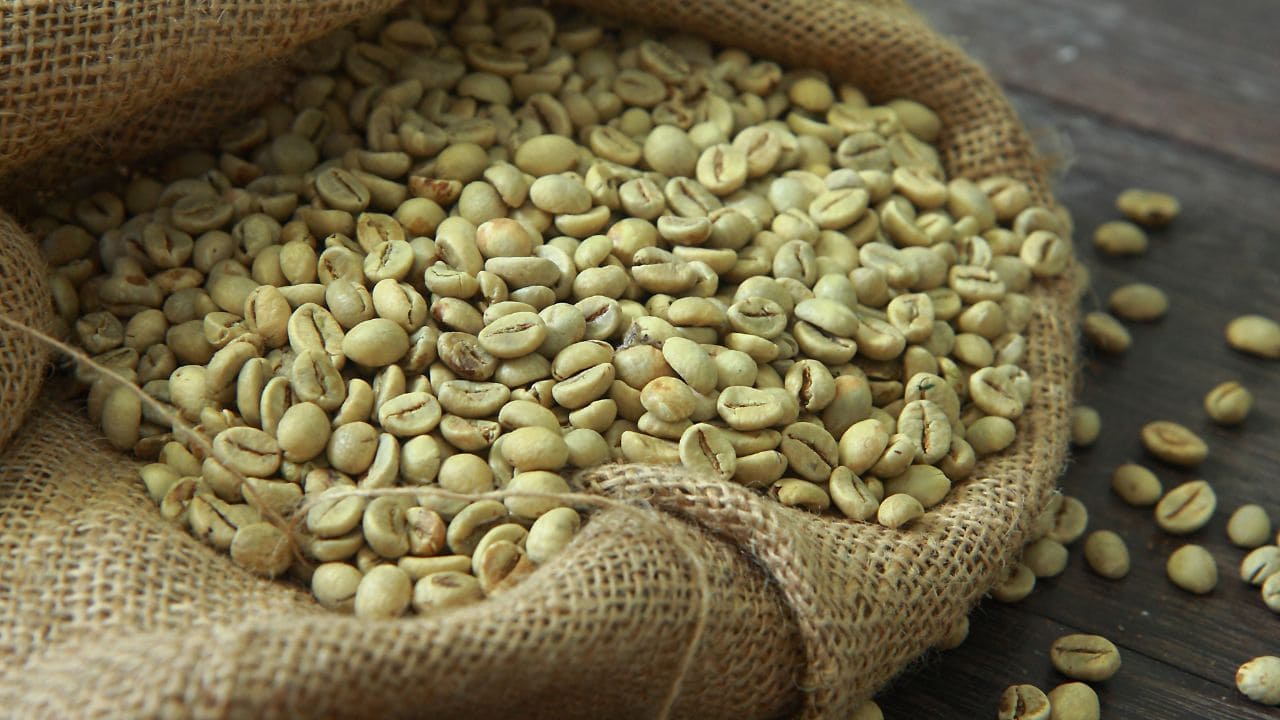
Vietnam is one of the world’s leading coffee-exporting countries, best known for its two main coffee varieties: Arabica and Robusta. Although they belong to the same coffee family, each offers distinct characteristics in terms of appearance, flavor, cultivation, and economic value. Understanding the differences between these two beans not only helps consumers choose coffee that suits their taste but also enables coffee businesses, cafés, and roasters to create signature flavor profiles for their brands.
1. Characteristics of Pure Arabica Coffee
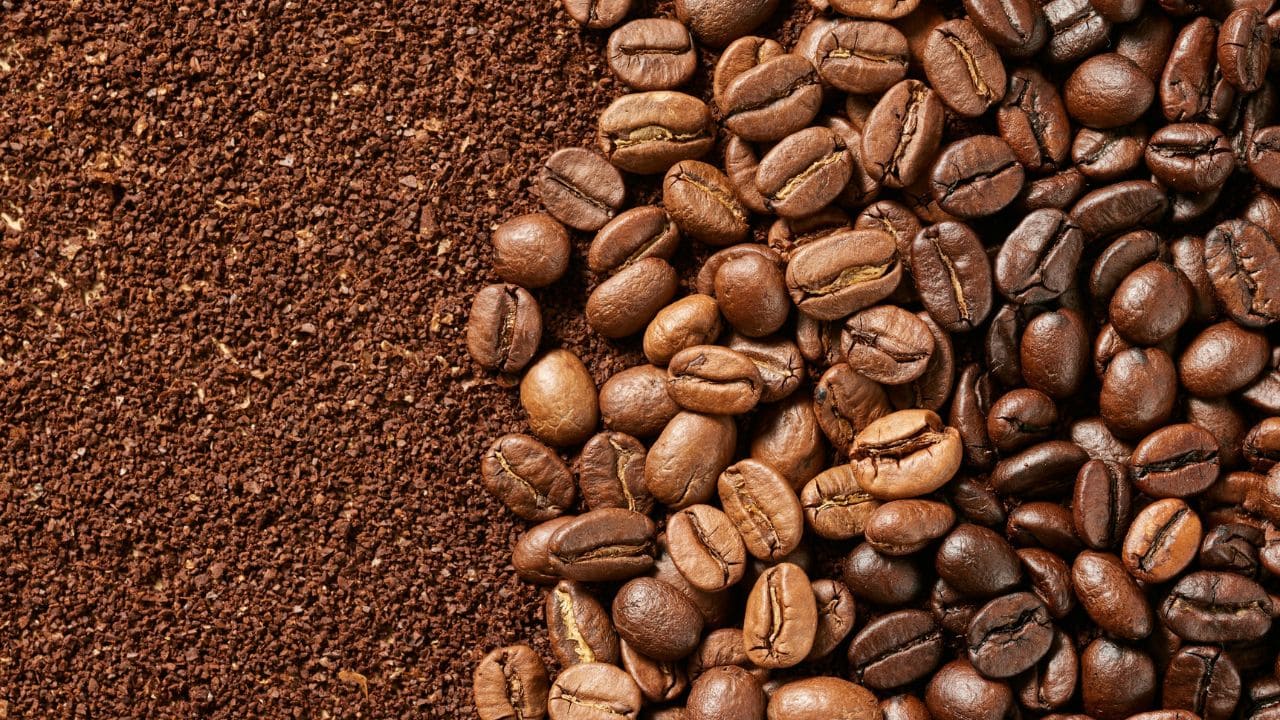
Arabica originated in the highlands of Ethiopia and is now widely cultivated in Vietnam’s mountainous regions. This variety thrives in cool climates at elevations between 1,000 and 2,000 meters above sea level, with ideal temperatures ranging from 15–24°C. These growing conditions allow the beans to mature slowly, developing complex flavors and rich nutrients.
Bean shape: Long and oval with a gently curved center crease resembling the letter “S.”
Flavor profile: Smooth and refined, featuring bright acidity, natural sweetness, and delicate notes of fruit and chocolate.
Caffeine content: Approximately 1–2%, resulting in a milder, less bitter cup.
Thanks to its elegant flavor profile, Arabica is commonly used for pour-over, cold brew, and lighter espresso, making it the preferred choice for those who appreciate delicate and nuanced coffee.
2. Characteristics of Robusta Coffee
Robusta is typically grown at lower elevations of around 500–800 meters, making it well suited to hot and humid tropical climates. Naturally roasted Robusta coffee is recognized by several distinctive characteristics:
Bean shape: Smaller, rounder, or slightly oval, with a straight center crease instead of the curved line found in Arabica.
Flavor profile: Bold, full-bodied, and intense, with very little acidity and a deep, lingering bitterness.
Caffeine content: Around 2–4%, nearly twice that of Arabica, providing a stronger and longer-lasting stimulating effect.
Because of its robust character, naturally roasted Robusta is the preferred choice for traditional Vietnamese phin coffee, delivering a rich, full-bodied cup with the authentic taste of Vietnam.
3. Arabica vs. Robusta: A Quick Comparison
| Feature | Arabica | Robusta |
|---|---|---|
| Growing altitude | 1,000–2,000 m | 0–800 m |
| Bean shape | Long with an S-shaped crease | Round with a straight crease |
| Caffeine content | 1–2% | 2–4% |
| Flavor | Bright acidity, natural sweetness, fruity notes | Strong bitterness, earthy and nutty notes |
| Processing method | Commonly wet-processed | Commonly dry-processed |
| Market value | Higher, often used for specialty coffee | More affordable, higher production volume |
Quick tip: Place the two beans side by side—Arabica appears longer and slimmer, while Robusta is shorter and rounder.
4. Which Coffee Is Better?
The answer depends entirely on your personal preference.
Arabica is ideal for those who enjoy a smooth, refined coffee with gentle acidity and minimal bitterness. It is perfect for pour-over, light espresso, and cold brew.
Robusta is better suited for coffee lovers who prefer a bold, intense flavor with a stronger bitter finish. It works exceptionally well in Vietnamese phin coffee and milk-based coffee drinks.
Many coffee shops today blend Arabica and Robusta to achieve a balanced cup that combines Arabica’s elegant aroma with Robusta’s rich body and strength.
5. Economic Value and Applications
Arabica requires more demanding growing conditions, making it approximately 1.5 to 2 times more expensive than Robusta. It is the primary choice for specialty coffee and premium espresso.
Robusta, with its higher yield and lower production cost, is widely used in traditional Vietnamese coffee, instant coffee, and coffee blends to enhance body and intensity.
6. Villifa – Your Trusted Source for Premium Coffee
To fully experience the authentic taste of pure coffee, Villifa is a trusted destination for coffee enthusiasts.
Premium-quality beans: Villifa supplies only 100% pure coffee beans, carefully selected from high-quality growing regions and naturally roasted to preserve their authentic flavor.
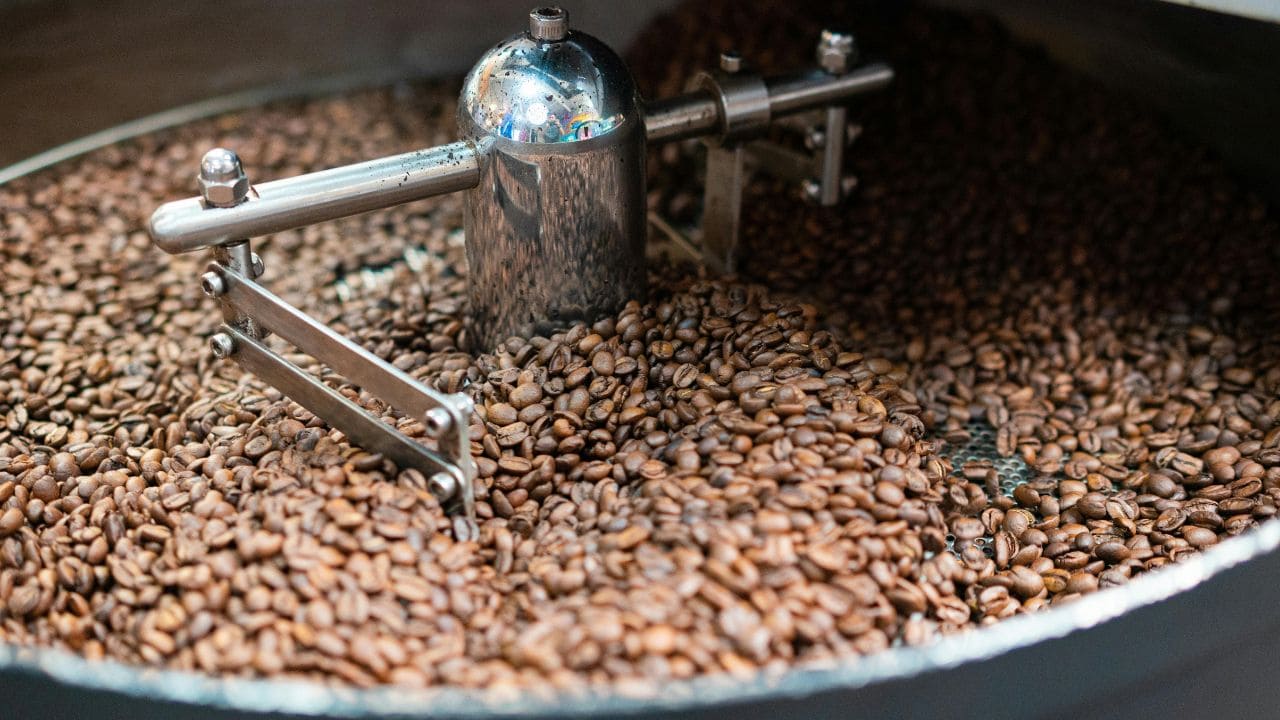
Modern roasting technology: International-standard roasting techniques ensure freshness, rich aroma, and consistent quality while maintaining food safety.
Premium packaging: Foil-lined bags with one-way degassing valves help preserve the coffee’s aroma and freshness for an extended period.
Dedicated customer service: Our team provides expert recommendations on coffee beans and roast profiles tailored to your taste, along with fast nationwide delivery.
You can order directly through the Villifa website or contact our customer service team for personalized advice and convenient home delivery.
Conclusion
Understanding the differences between Arabica and Robusta coffee beans helps you choose the flavor profile that best matches your preference while enhancing your overall coffee experience. Whether you appreciate the elegance of Arabica or the bold intensity of Robusta, each variety offers a unique journey of flavor. Let Villifa accompany you by providing premium-quality, 100% pure coffee beans that bring authenticity, consistency, and exceptional taste to every cup you enjoy.