


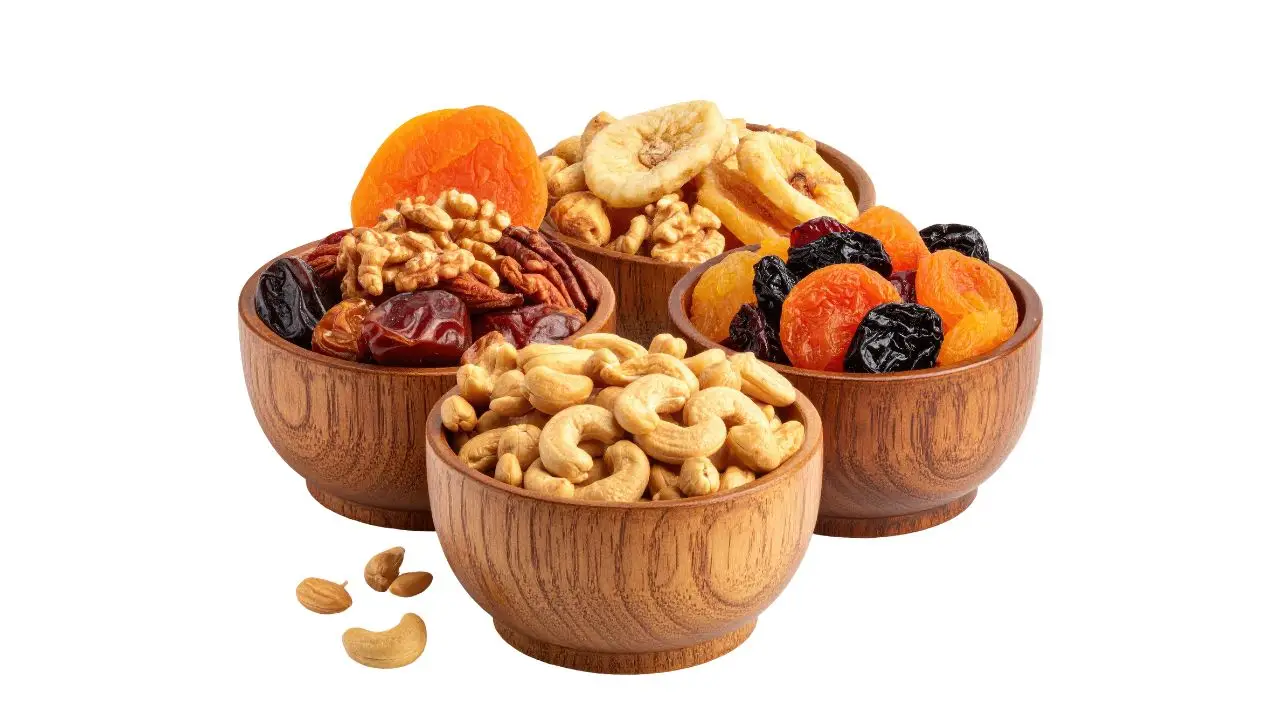

Both soft-dried fruit and crispy dried fruit are becoming increasingly popular choices in the healthy snack market. However, not everyone clearly understands the differences between these two product categories in terms of processing technology, nutritional value, and storage characteristics.
For anyone planning to sell dried fruit online, understanding the nature of each product type can directly influence sourcing strategy, pricing, and the way the business approaches its target customers.
What Is the Difference Between Soft-Dried Fruit and Crispy Dried Fruit?
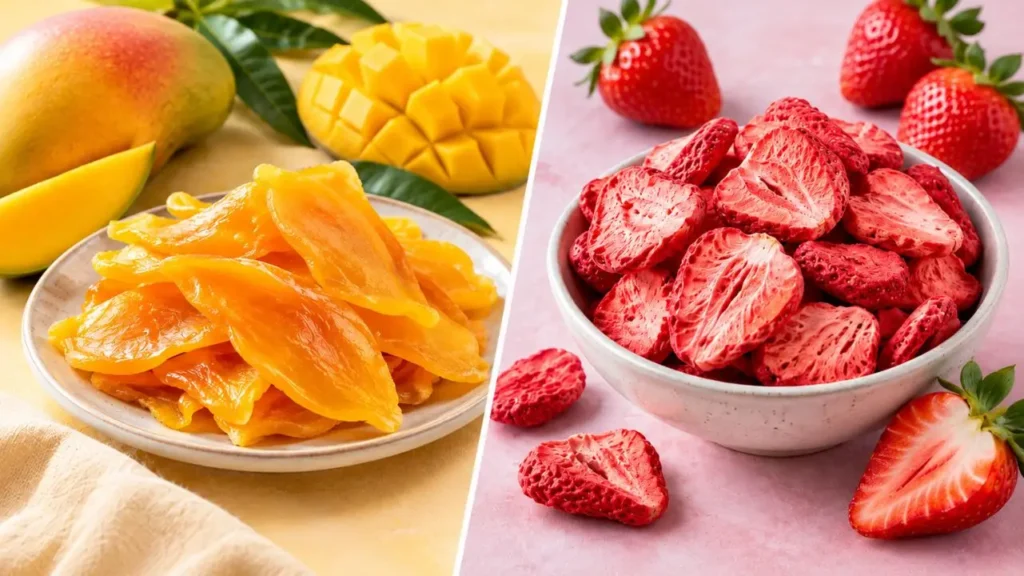
In principle, both products are made by removing water from fresh fruit to extend shelf life. However, the dehydration method and the amount of moisture remaining in the finished product create clear differences between soft dried fruit and crispy dried fruit.
Production Technology
Soft-dried fruit is commonly produced using thermal drying at moderate temperatures, with the final moisture content controlled at around 15–20%.
The drying process takes place gradually, allowing part of the fruit’s natural moisture to remain. This gives the finished product a soft, chewy, and slightly elastic texture.
Some soft-dried fruit products may also contain added sugar, honey, or syrup during processing to increase sweetness and improve texture.
Crispy dried fruit, on the other hand, can be produced using vacuum drying or freeze-drying technologies that remove most of the water from the raw material.
The final moisture content is often below 5%. As a result, the finished fruit chips have a light, crispy, and porous texture while retaining much of the original color and flavor of the fresh fruit.
Nutritional Value
Drying temperature directly affects heat-sensitive vitamins and naturally occurring enzymes in fruit.
Crispy dried fruit produced through low-temperature drying or vacuum processing may retain vitamin C, antioxidants, and natural fruit flavor better than conventional high-temperature drying.
By comparison, soft dried fruit may lose some heat-sensitive vitamins during processing while still retaining dietary fiber and basic minerals.
One important consideration is that many soft-dried fruit products on the market contain added sugar.
This can increase the calorie content and glycemic impact of the finished product compared with unsweetened dried fruit products.
For consumers interested in health, weight management, or specific dietary preferences, the ingredient list can therefore play an important role in purchasing decisions.
Shelf Life
Because crispy dried fruit has very low moisture content, it generally has a longer shelf life and may remain suitable for up to 12 months when properly sealed and stored.
Soft-dried fruit retains more moisture and is therefore more sensitive to environmental conditions. It often requires suitable barrier packaging, vacuum packaging, or permitted preservation methods to maintain quality for approximately 6–9 months.
Actual shelf life should always follow the specifications and storage instructions provided by the manufacturer.
Eating Experience and Flavor
Texture is another major difference between the two product categories.
Soft-dried fruit provides a chewy bite with a more concentrated sweetness and often reminds consumers of traditional preserved fruit snacks.
In comparison, crispy dried fruit offers a lighter, crunchy texture that breaks down quickly in the mouth and can deliver a more distinct fruit aroma.
These differences mean that each product type can appeal to different customer groups and consumption occasions.
Should You Sell Soft-Dried Fruit or Crispy Dried Fruit Online?
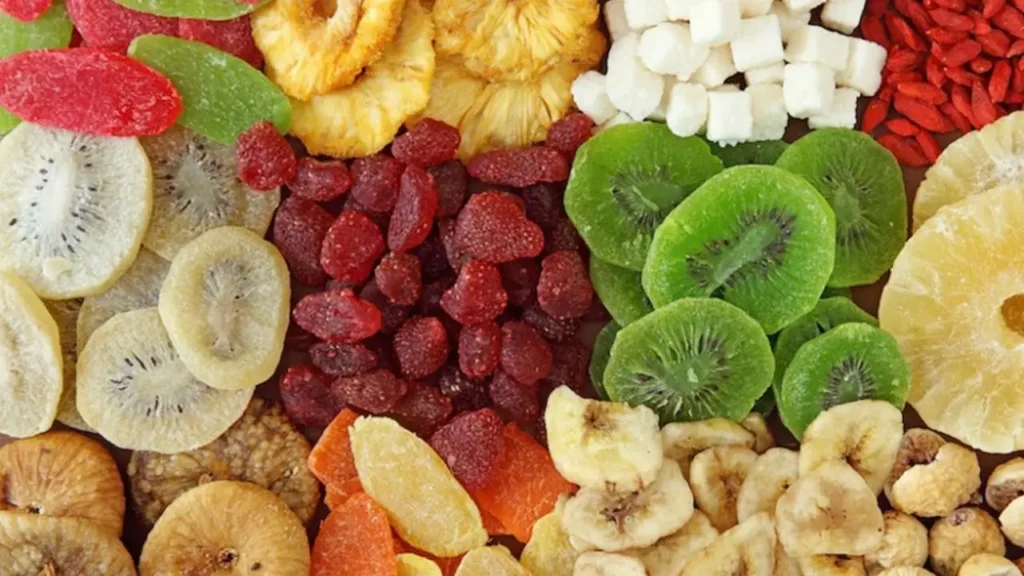
Choosing which products to offer when starting a dried fruit business depends on your target customer segment, available capital, and ability to manage inventory.
Target Customers
Soft-dried fruit is generally suitable for mainstream consumers who enjoy stronger sweetness and chewy textures.
These products are often purchased for everyday snacking, gift sets, or shared consumption. The potential customer base is broad, and pricing is usually more accessible than many premium crispy products.
Crispy dried fruit may appeal more strongly to younger consumers, fitness-oriented customers, or people interested in clean-label and health-focused snack products.
These consumers may be more willing to pay a premium for products positioned around natural flavor, distinctive texture, and advanced processing technology.
Purchasing Cost and Selling Price
The production cost of crispy dried fruit can be approximately 30–50% higher than that of soft-dried fruit because the processing technology is more complex and product recovery rates may be lower.
This can result in a higher selling price and potentially higher value per order, but inventory turnover may be slower if customers are unfamiliar with the price point.
Soft-dried fruit generally has a lower sourcing cost, can be easier to sell in larger quantities, and works well for combo packs, gift baskets, or dried fruit wholesale to grocery stores and cafés.
However, price competition in this segment can also be relatively strong.
Shipping and Storage
Because crispy dried fruit has a light and porous structure, it can break more easily during transportation if packaging is not sufficiently protective.
Online sellers may need to invest in shock-resistant layers, rigid boxes, or air-filled packaging to protect the product.
Soft-dried fruit is more flexible and less fragile, making it easier to transport over longer distances.
This is an important consideration for businesses that sell dried fruit online, especially when shipping through third-party delivery services.
Current Consumer Trends
The healthy snack market is increasingly moving toward products positioned as lower in added sugar, free from unnecessary preservatives, and closer to the natural flavor of the original fruit.
Crispy dried fruit, particularly products made with low-temperature drying technologies, is attracting attention from younger consumers who are willing to pay for a different snacking experience.
At the same time, soft dried fruit continues to maintain a strong position in mainstream consumption and gifting because of its familiar taste and more accessible price.
According to Statista data on the global fruit and vegetable snack market, demand for fruit-based snack products continues to develop, particularly in more mature consumer markets.
This provides a positive signal for businesses planning to sell dried fruit online over the long term.
How to Choose a Dried Fruit Supplier for an Online Business
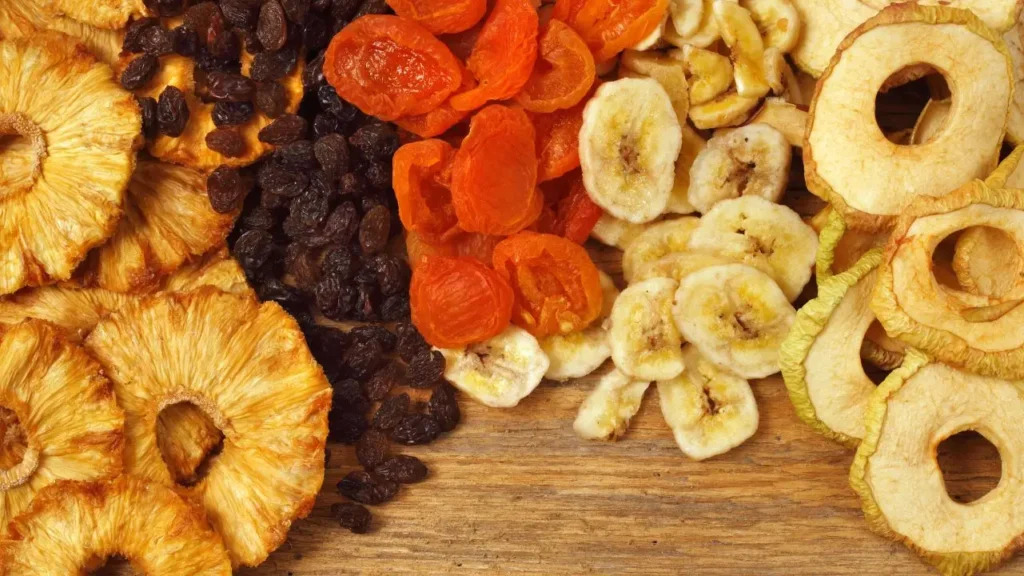
Product quality is one of the most important factors in the success of an online dried fruit business.
Sellers should prioritize a reliable dried fruit supplier with appropriate food-safety processes, transparent raw material sourcing, and the ability to provide consistent supply.
When evaluating products, request samples so you can directly assess:
- Flavor
- Color
- Moisture level
- Texture
- Packaging condition
For crispy dried fruit, check the crunchiness, the percentage of intact pieces, and how well the product maintains its texture and aroma after opening.
For soft-dried fruit, pay attention to whether the texture is appropriately chewy without being excessively wet or dry. The amount of added sugar should also be reviewed carefully if you plan to position the product in the healthy snack segment.
Packaging is equally important.
Stand-up zipper bags, laminated pouches, or professionally designed dried fruit packages can improve the overall product presentation.
Clear printing, complete product information, and professional packaging can help build customer confidence from the first interaction.
For the gifting segment, businesses can also develop gift boxes or combinations featuring different types of dried fruit to increase perceived value.
When starting the business, it may be practical to begin with familiar products such as:
- Soft-dried mango
- Soft-dried papaya
- Crispy dried fruit
- Fruit chips
After reviewing customer feedback and sales data, the business can gradually expand into dried fruit mix products or assorted dried fruit packs.
This approach can help reduce inventory risk and control initial sourcing costs.
Food-safety certification should also be considered when selecting a supplier.
Certifications such as HACCP, ISO 22000, or relevant organic certifications can strengthen buyer confidence, particularly among customers who place greater emphasis on product quality and food-safety management.
For businesses sourcing larger quantities, it is also useful to evaluate whether the supplier can support bulk dried fruit, dried fruit wholesale, or customized packaging requirements.
Conclusion
There is no single product type that is suitable for every online dried fruit business.
If your target market is mainstream consumers looking for accessible pricing, familiar flavors, and products that are easier to transport, soft-dried fruit is worth considering.
If you want to develop a segment with a more distinctive product experience, you can also explore crispy dried fruit, fruit chips, and freeze-dried fruit.
Another strategy is to combine both categories and build a more diverse portfolio of dried fruit snacks.
Sellers can offer individual products, dried fruit mix combinations, or gift sets to serve different customer groups and purchasing occasions.
VILIFA is a dried fruit manufacturer and Vietnamese agricultural product supplier offering a range of products for distribution, F&B, and export markets.
Businesses looking for Vietnam dried fruit supplier solutions, dried fruit wholesale, soft-dried fruit, crispy dried fruit, or other processed agricultural products can contact VILIFA to discuss product specifications, packaging options, and cooperation requirements.