


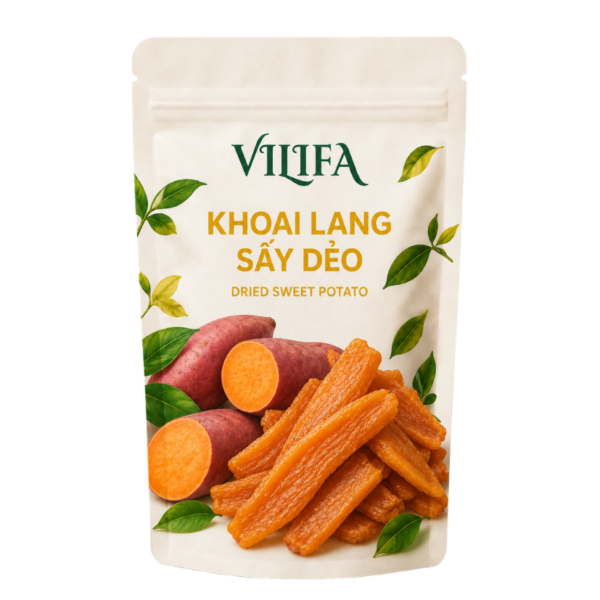
VILIFA Soft-Dried Sweet Potato is made from carefully selected sweet potatoes, preserving their natural sweetness, distinctive color, and pleasantly soft, chewy texture. The product is suitable for distribution, food businesses, gift products, private label manufacturing, and export markets.
VILIFA supplies soft-dried sweet potato in various specifications, pack sizes, and packaging options tailored to the requirements of business customers.
What Is Soft-Dried Sweet Potato?
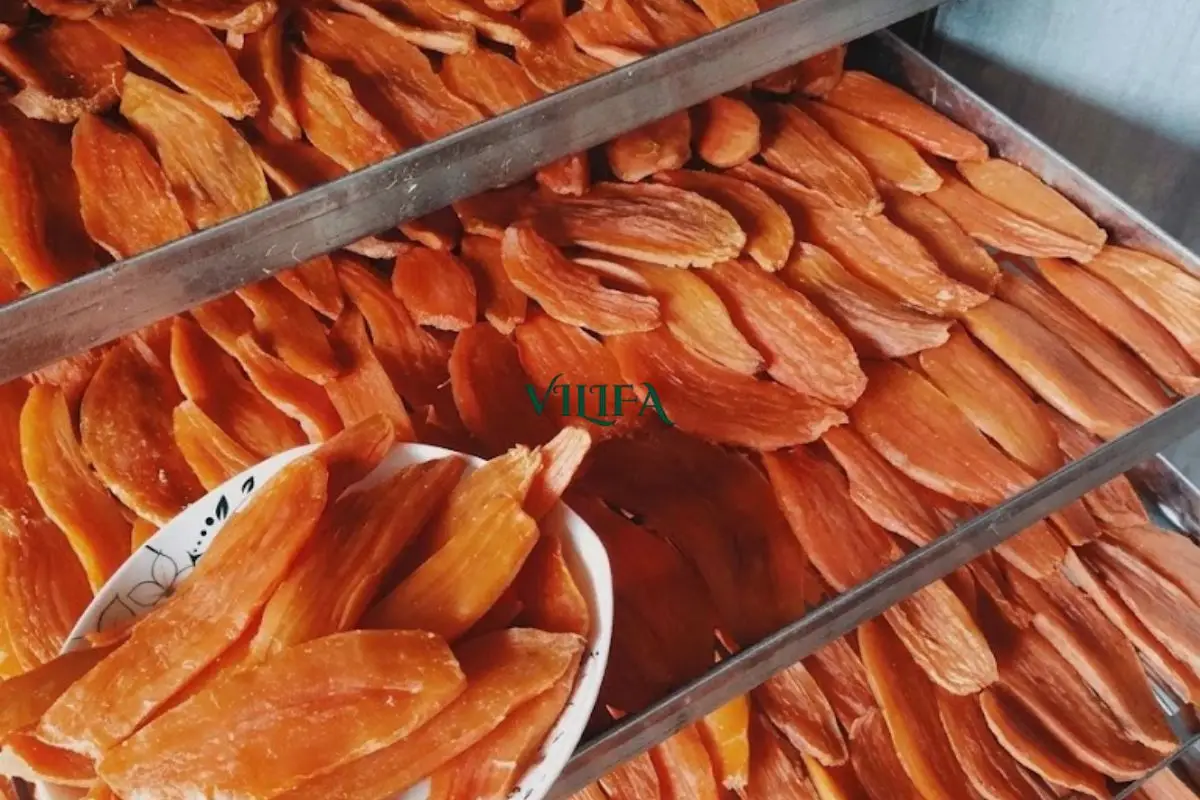
Soft-dried sweet potato is made from fresh sweet potatoes that undergo a carefully controlled process including raw material selection, cleaning, preparation, cutting, and drying.
Unlike crispy dried sweet potato products, soft-dried sweet potato retains a higher level of moisture, giving it a soft and slightly chewy texture that is closer to the natural characteristics of fresh sweet potato.
Depending on the sweet potato variety, processing method, and finished-product specifications, the product may have a yellow, golden-orange, purple, or other naturally occurring color.
Soft-dried sweet potato can be consumed directly as a convenient snack or packaged as a commercial product for the retail market.
What Is the Difference Between Soft-Dried and Crispy Dried Sweet Potato?
The most noticeable difference is the texture.
Soft-dried sweet potato has a softer, chewier texture and higher moisture content, while crispy dried sweet potato is typically drier and crunchy and is commonly marketed as a snack chip.
For businesses looking to develop products with a more natural positioning, less intensive processing, and characteristics that remain close to the original agricultural ingredient, soft-dried sweet potato can offer strong advantages in terms of sensory appeal and product positioning.
Common Types of Soft-Dried Sweet Potato on the Market
Soft-dried sweet potato products can be classified in several ways. Understanding the different product types helps buyers select the most suitable option for their sales channels and target customers.
Classification by Sweet Potato Variety
The quality of the raw material directly affects the color, texture, and flavor of the finished product.
Sweet potatoes intended for processing are generally selected based on factors such as maturity, size, tuber quality, and overall condition.
Depending on the target product and market positioning, businesses can select the sweet potato variety that best meets their requirements.
- Soft-Dried Honey Sweet Potato
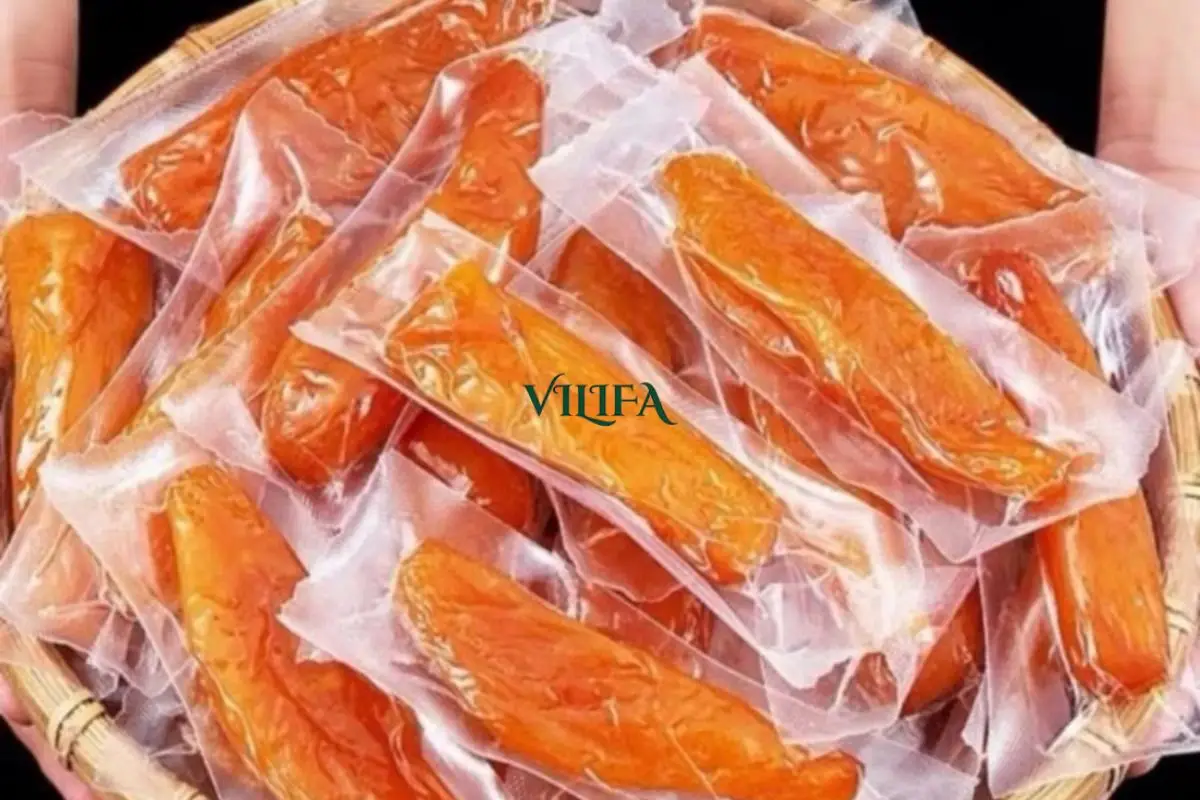
Soft-Dried Honey Sweet Potato is popular for its naturally sweet flavor and characteristic soft texture. It is particularly suitable for brands looking to develop snack products or convenient foods made from agricultural ingredients.
- Soft-Dried Purple Sweet Potato
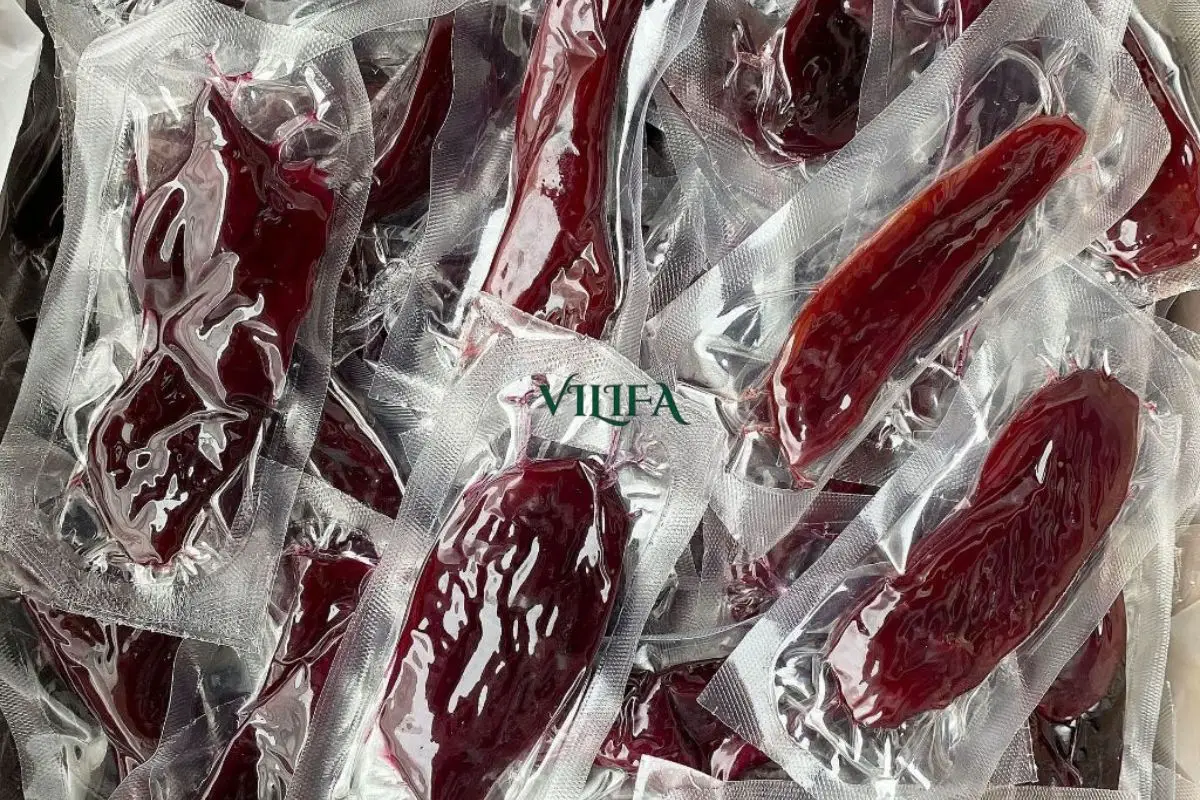
Purple sweet potato creates strong visual differentiation thanks to its naturally distinctive color, making it suitable for products that require greater shelf appeal and brand recognition. Availability of specific sweet potato varieties should be confirmed according to the harvest season and individual order requirements.
Classification by Product Form
- Whole or large-cut pieces: Sweet potatoes are cut lengthwise or into thick slices while retaining a relatively natural shape.
- Long strips: Suitable for convenient handheld snacks and commonly packed in smaller retail packages.
- Cubes or bite-sized pieces: Convenient for portion control and suitable for boxes, pouches, or resealable packaging.
- Thin slices: Require a shorter drying time and generally have a softer texture than thicker pieces.
Classification by Packaging Size
- Small packs from 50 g to 100 g: Suitable for retail sales, individual consumers, convenience stores, and grocery stores.
- Medium packs from 200 g to 500 g: Suitable for healthy food stores, specialty food retailers, and retail distributors.
- Large packs or bulk cartons from 1 kg and above: Suitable for distributors who repack products or customers purchasing in larger volumes.
Exact packaging specifications should be confirmed with the supplier based on the product type, order quantity, and intended distribution channel.
Key Features of Soft-Dried Sweet Potato
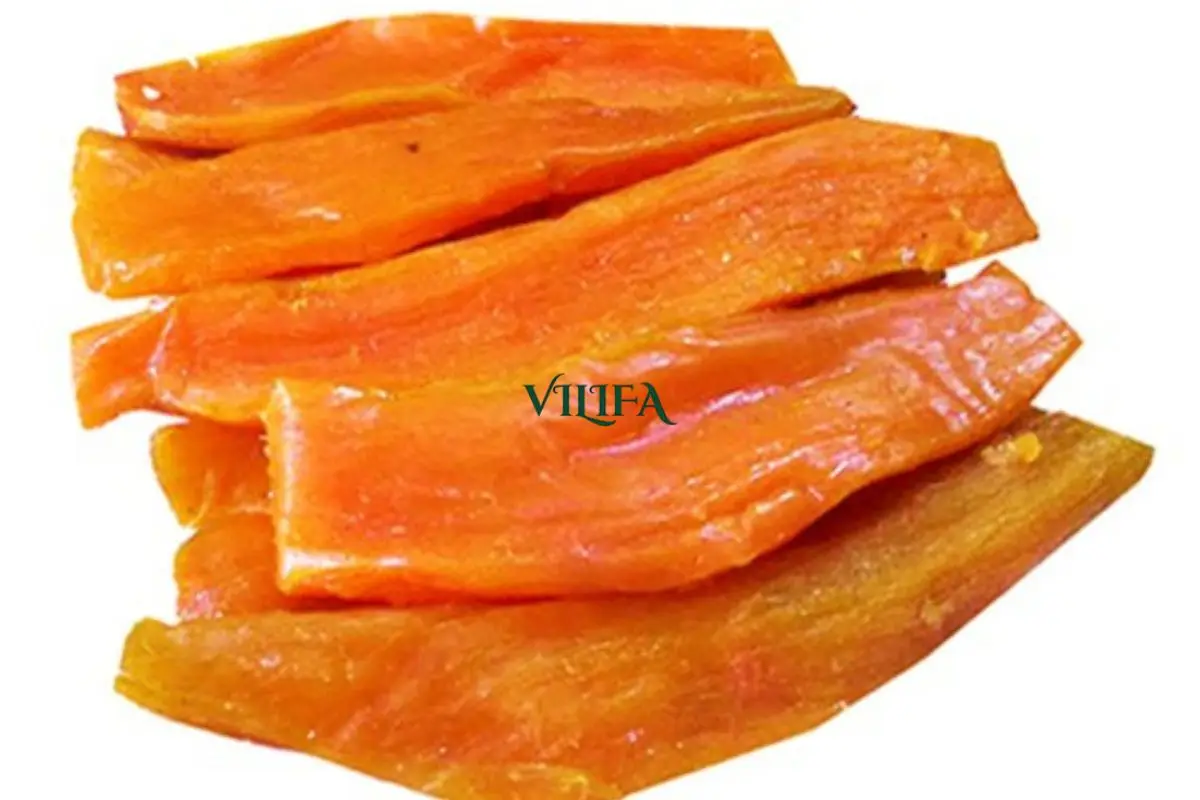
Soft-dried sweet potato is not only suitable for direct consumption but can also serve a wide range of commercial applications.
- Soft and Pleasantly Chewy Texture
The product has a characteristic soft and slightly chewy texture and can be consumed directly without additional preparation. This makes it suitable for natural snack ranges, packaged foods, and gift products.
- Retains the Natural Color and Characteristic Flavor of Sweet Potato
When processed under appropriate conditions, dried sweet potato can retain much of the natural color and characteristic flavor of the original raw material. This helps improve the product’s visual appeal, particularly when it is packaged for retail sale.
- Convenient for Storage and Distribution
Compared with fresh sweet potatoes, dried products are more compact and convenient for packaging, transportation, storage, and distribution. This is an important advantage for distributors, retail systems, wholesalers, and export customers.
- Flexible Product Specifications
Depending on customer requirements, soft-dried sweet potato can be produced in various formats, including whole pieces, slices, strips, or other customized cuts. Specific dimensions and product specifications can be discussed according to production requirements and actual order volumes.
Soft-Dried Sweet Potato Production Process
A typical commercial soft-dried sweet potato production process generally includes the following steps:
- Raw material selection: Sweet potatoes are selected according to variety, size, maturity, and quality. Damaged, rotten, green, or excessively immature tubers are removed.
- Washing: Soil, dirt, and other impurities are removed from the surface of the sweet potatoes.
- Peeling: Depending on product specifications, the sweet potatoes may be fully peeled, partially peeled, or processed with the skin retained.
- Cutting: Sweet potatoes are cut into slices, strips, cubes, or other shapes according to the required specifications.
- Cooking: The sweet potatoes are steamed or boiled until they reach the appropriate level of doneness. This process softens the sweet potato and prepares it for drying while helping develop its characteristic flavor.
- Drying: The sweet potatoes are dried under controlled temperature and time conditions until the required moisture level is achieved. Common methods may include hot-air drying, heat-pump drying, or other controlled drying systems.
- Cooling: After drying, the product is cooled before packaging to reduce the risk of moisture condensation inside the package.
- Sorting: Pieces that do not meet the required specifications for size, color, texture, or moisture content are removed.
- Packaging: Finished products are packed in suitable packaging, commonly including vacuum-sealed bags or moisture-resistant packaging materials.
- Quality inspection: Sensory characteristics, moisture content, microbiological indicators, and other applicable quality parameters are checked before shipment.
This represents a typical production process used in the industry. The specific production process may vary between manufacturers depending on processing technology, equipment, product specifications, and customer requirements.
Nutritional Value of Soft-Dried Sweet Potato
Soft-dried sweet potato is not only a convenient and enjoyable snack but also provides nutrients naturally found in sweet potatoes. Sweet potatoes are a source of complex carbohydrates, dietary fiber, vitamin A precursors such as beta-carotene, vitamin C, manganese, and various other minerals.
The drying process reduces moisture and therefore increases the concentration of nutrients and calories by weight compared with fresh sweet potato.
Dietary fiber contributes to normal digestive function and may help promote a longer-lasting feeling of fullness. Beta-carotene is a precursor to vitamin A, an essential nutrient that plays an important role in normal vision, skin health, and immune function. For consumers who prioritize simpler formulations, products with little or no added sugar and fewer unnecessary additives may be preferred.
How to Store Soft-Dried Sweet Potato
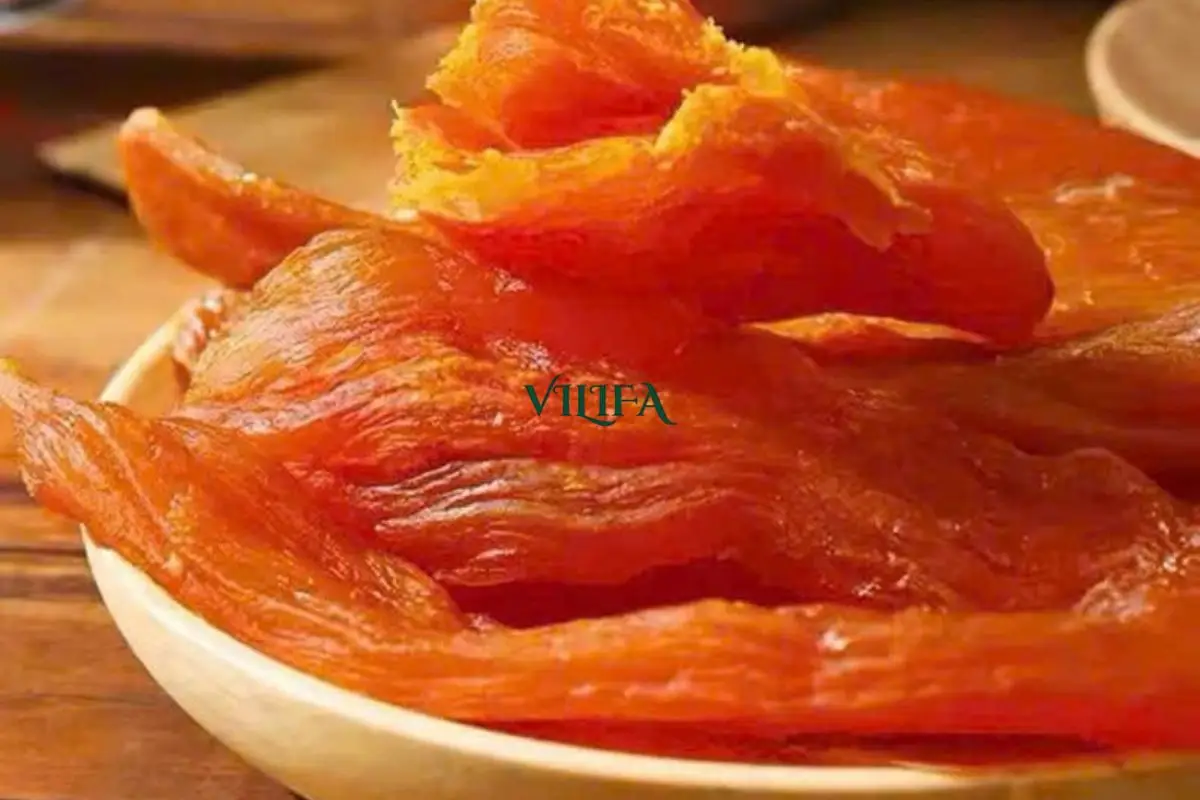
Proper storage helps maintain the flavor, texture, and overall quality of soft-dried sweet potato. Important storage recommendations include:
- Store in a cool, dry place away from direct sunlight.
- Once opened, consume the product as soon as possible and follow the storage instructions stated on the packaging.
- Refrigeration may help extend product quality after opening; however, the package should be tightly sealed to prevent moisture absorption.
- Avoid exposing the product to humid air, as excessive moisture may negatively affect texture and product quality and may increase the risk of spoilage.
- After opening the original packaging, use an airtight container or properly sealed bag whenever appropriate.
For distributors and wholesalers, it is important to check the product’s shelf life and recommended storage conditions when receiving and storing goods, particularly in hot and humid climates.
How to Choose a Reliable Soft-Dried Sweet Potato Supplier
Selecting a reliable supplier is an important factor in maintaining consistent product quality and supporting the long-term success of a distribution business.
Businesses should consider the following criteria when evaluating potential suppliers:
-
- Food safety certifications: ISO 22000, HACCP, or other applicable certifications.
- Traceable raw material sources: Sweet potatoes should come from identifiable and appropriately managed growing areas.
- Transparent production processes: The supplier should be able to provide information regarding drying technology and quality-control procedures.
- Secure and hygienic packaging: Packaging should protect the product during storage and transportation while meeting applicable hygiene requirements.
- Competitive pricing and distributor support: Commercial terms should be suitable for the buyer’s distribution model and expected order volume.
- Stable supply capability: The supplier should be able to support regular orders and large-volume requirements.
- Product samples: Samples should be available where applicable so buyers can evaluate product quality before proceeding with larger commercial orders.
What Factors Affect the Price of Soft-Dried Sweet Potato?
The price of soft-dried sweet potato is not fixed for every order. It may vary depending on several factors, including:
- Sweet potato variety and raw material source.
- Finished-product size and shape.
- Recipe and technical specifications.
- Packaging specifications.
- Order quantity.
- OEM or private label requirements.
- Specific requirements of the destination export market.
To receive a more accurate quotation, customers should provide information regarding the expected order quantity, desired product specifications, packaging requirements, and target market. Contact VILIFA for detailed consultation and quotation.
Why Do Businesses Choose VILIFA Soft-Dried Sweet Potato?
VILIFA provides processed agricultural product solutions for business customers, distributors, wholesalers, private label brands, and export partners.
For soft-dried sweet potato, customers can discuss product specifications, packaging options, order quantities, and product-development requirements directly with VILIFA to develop a solution suitable for their individual sales channels and target markets.
VILIFA can discuss and support requirements including:
- Supply for B2B and bulk orders.
- Bulk and retail packaging options.
- OEM manufacturing and private label development.
- Consultation on product specifications and packaging options.
- Support for wholesale distribution and export requirements.
If your business is looking for a reliable source of soft-dried sweet potato for wholesale distribution, private label manufacturing, OEM production, or export, contact hotline or fanpage VILIFA to discuss your required product specifications, packaging options, order quantities, and applicable market standards.
Reviews
There are no reviews yet.