


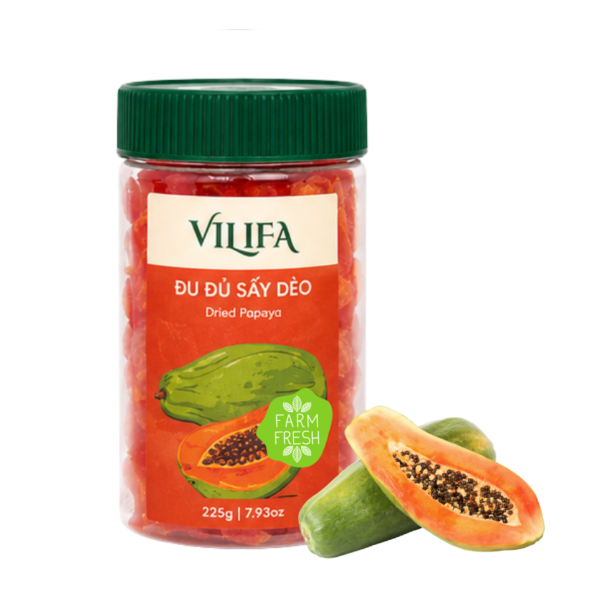

Soft-dried papaya is becoming one of the leading choices in the healthy snack segment, meeting the growing consumer demand for a product that is delicious, convenient, and retains the nutritional value of natural fruit. Beyond the retail market, this product also offers strong opportunities for distributors, health food stores, and gift businesses looking for a stable and quality supply.
What Is Soft-Dried Papaya?
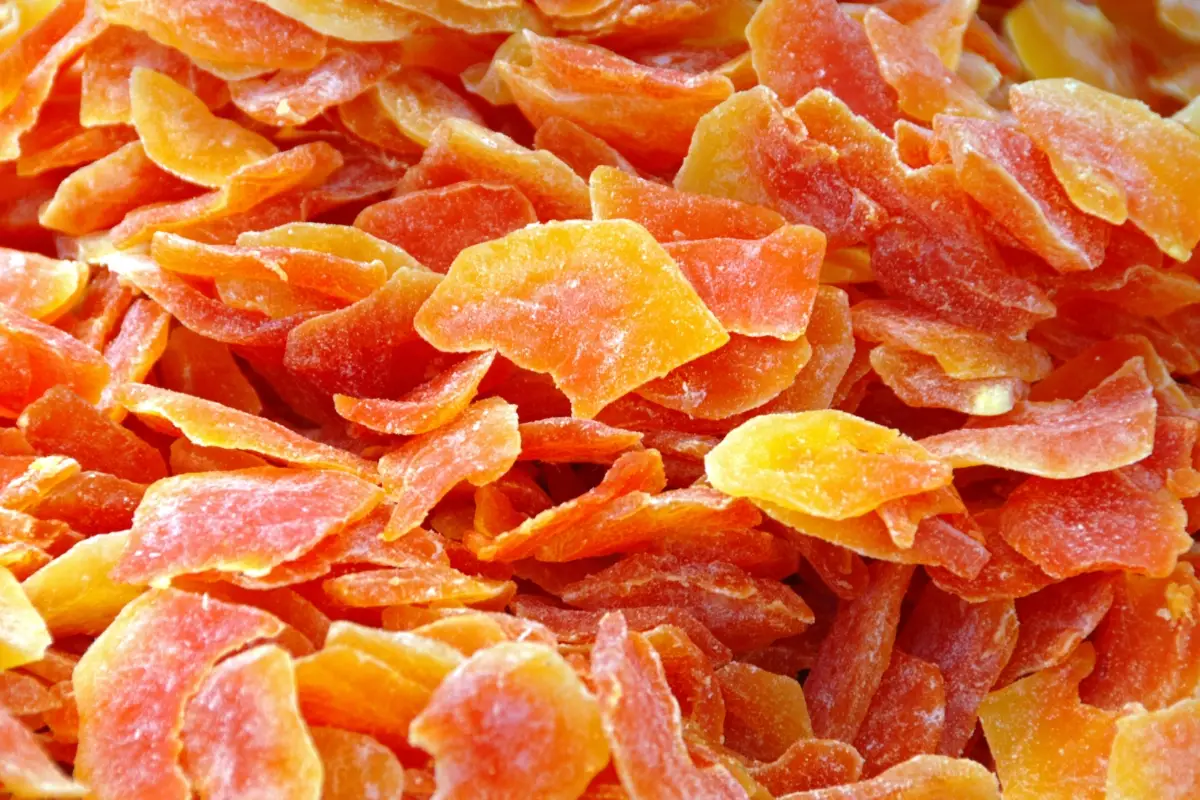
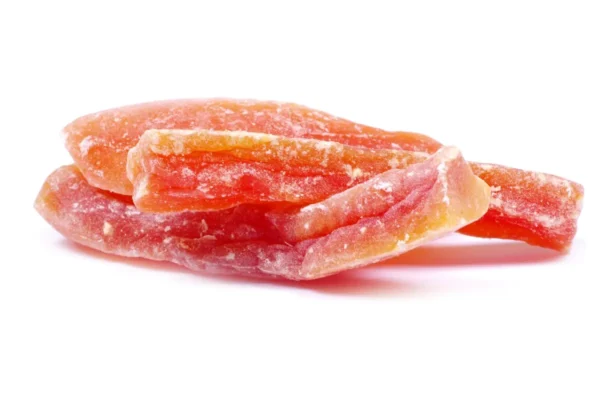
Soft-dried papaya is made from fresh papaya that undergoes a controlled drying process in terms of temperature and time to remove most of its moisture while retaining a certain level of moisture. This remaining moisture gives the product its soft, chewy, and slightly elastic texture, preventing it from becoming hard and dry like fully dehydrated products.
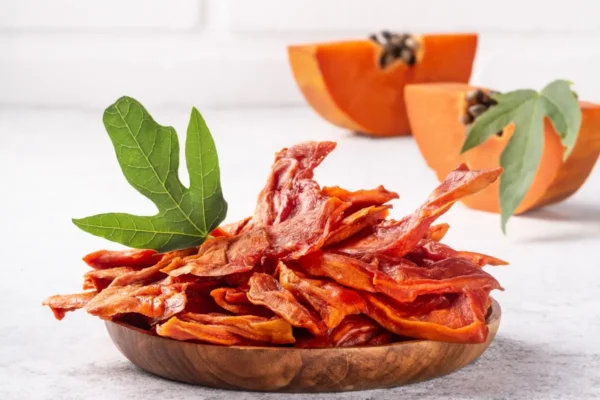
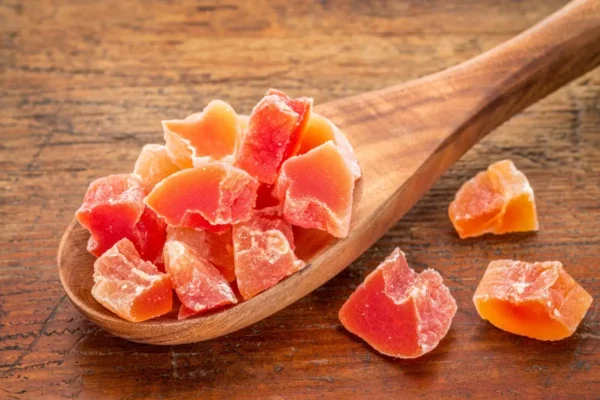
The main raw materials are usually ripe papaya varieties with thick flesh and an attractive yellow-orange to reddish-orange color. After harvesting, the papayas are peeled, deseeded, cut into pieces or long strips, and then dried. Some production processes may add a small amount of sugar before drying to stabilize the texture and balance the flavor. However, the current trend favors products that retain the natural sweetness of the fruit as much as possible.
This product is suitable for a wide range of consumers, from office workers and people who exercise regularly to parents looking for healthier snacks for their children.
Characteristics of Soft-Dried Papaya
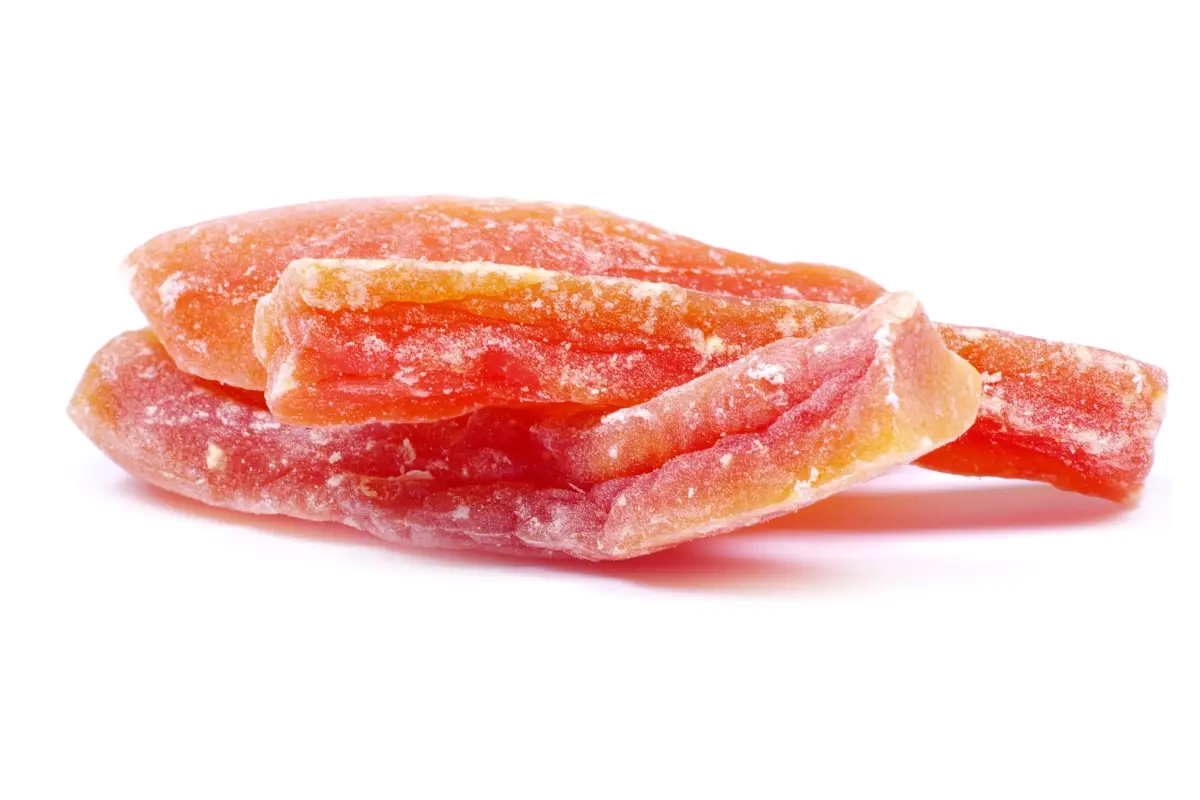
To evaluate the quality of a batch of soft-dried papaya, professional buyers should consider clear sensory and physical characteristics. These are also factors that directly influence the purchasing decisions of end consumers.
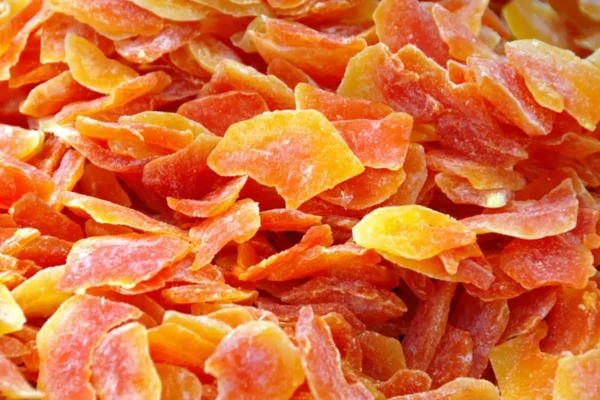
Color: High-quality soft-dried papaya has a natural yellow-orange to reddish-orange color characteristic of ripe papaya varieties. The color should be relatively uniform throughout each dried piece, with no signs of blackening, unusual discoloration, or white mold spots.
Flavor: The naturally mild sweetness of ripe papaya is the main characteristic. The sweetness should not be overpowering and should leave a pleasant aftertaste. If sugar is added, the sweetness should still be balanced and should not completely overpower the natural fruit flavor.
Aroma: The product should have a mild aroma characteristic of ripe dried papaya. Soft-dried papaya should not have a burnt smell, an over-caramelized aroma caused by excessive heat during drying, or a musty smell resulting from improper storage.
Texture: This is one of the most important factors. The texture should be soft, chewy, and moderately elastic. When eaten, the product should not be crumbly, excessively hard, or stick heavily to the teeth. Proper moisture control helps create this ideal texture.
Uniformity: Papaya pieces within the same batch should have relatively consistent size, thickness, and color, demonstrating good control during preparation and drying.
Soft-Dried Papaya Production and Processing
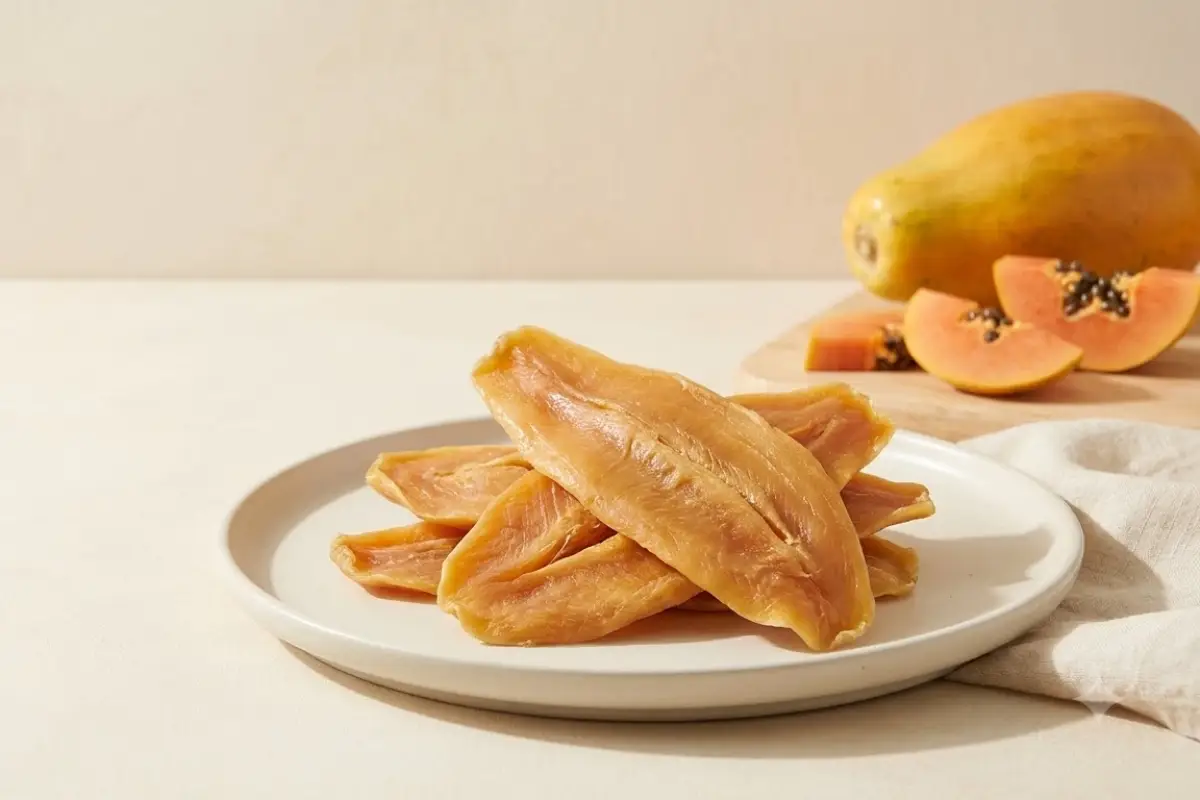
To produce high-quality and consistent soft-dried papaya, the production process requires careful handling and strict control at every stage. Below is a common process used in the dried fruit processing industry.
- Raw material selection: Ripe papayas at approximately 80–90% maturity are selected. The fruit must be fresh and free from bruising, pests, or diseases. Papaya varieties with thick flesh and attractive color generally produce higher-quality finished products.
- Preparation: The papayas are thoroughly washed, peeled, cut in half, and completely deseeded. This process should be carried out under hygienic conditions to minimize the risk of microbial contamination.
- Cutting and shaping: The papaya flesh is cut into pieces, strips, or cubes according to the required specifications. The thickness of the pieces directly affects the drying time and final texture.
- Pre-drying treatment: To stabilize color and texture, the papaya may be briefly treated with a diluted saltwater solution or clear limewater. Some processes may add a thin layer of sugar to enhance sweetness and support the drying process.
- Drying: This is the core stage of the process. The papaya is placed in a drying system, commonly using hot-air convection drying. The drying temperature is controlled at a moderate level and is generally kept from becoming too high in order to prevent the sugar from burning and the product surface from becoming hard. At the same time, moisture is gradually removed to create the desired soft and chewy texture.
- Quality inspection: After drying, the product is cooled and inspected for moisture content, color, flavor, and texture. Pieces that do not meet the required standards are removed.
- Packaging: Products that meet the required standards are weighed and immediately packed in moisture-resistant packaging. Prompt packaging helps prevent the product from reabsorbing moisture from the air.
- Storage: Finished soft-dried papaya is stored in a dry, cool, and well-ventilated place away from direct sunlight while awaiting transportation to customers.
How to Use Soft-Dried Papaya
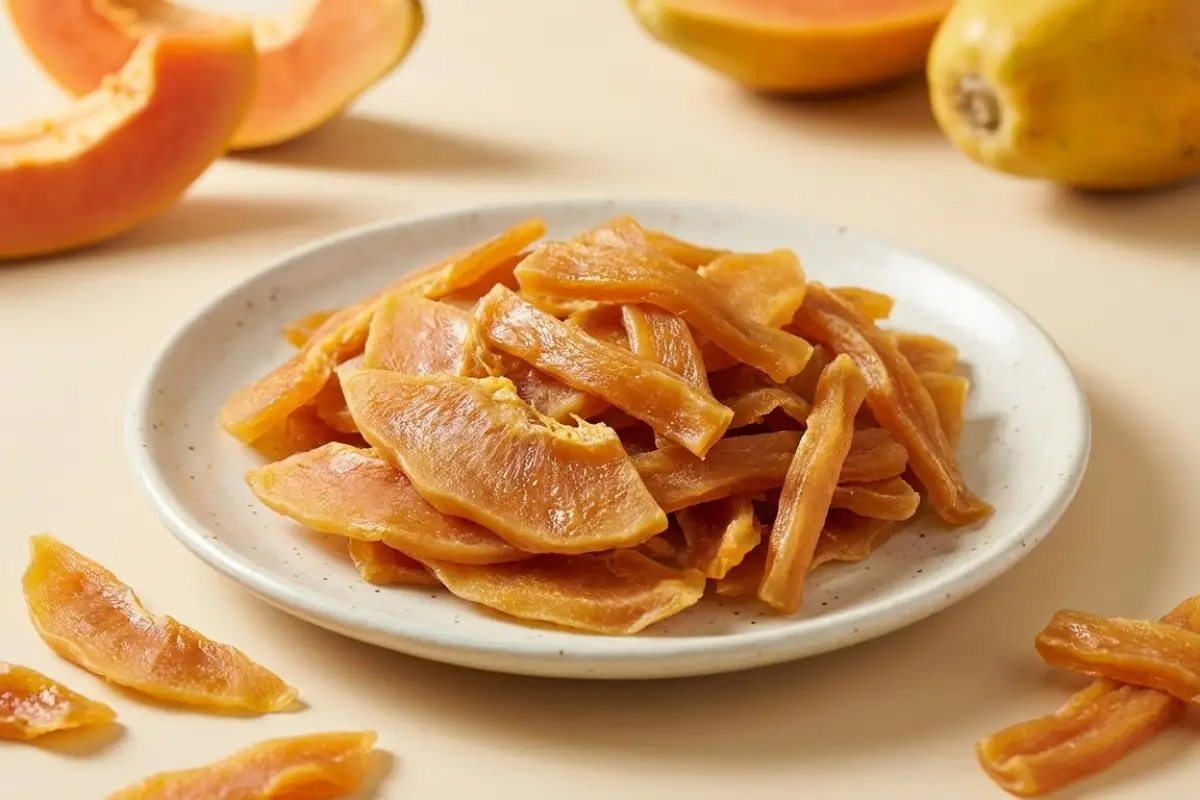
Soft-dried papaya can be consumed directly after opening the package.
It can also be:
- Eaten with nuts.
- Combined with granola or cereals.
- Used as a topping for yogurt.
- Cut into smaller pieces and mixed into baked goods.
- Combined with other dried fruits.
- Used in snack mixes.
- Packed into gift sets.
For B2B customers using the product as an ingredient, it is recommended to request samples to evaluate sweetness, texture, and blending suitability before placing large-volume orders.
How to Store Soft-Dried Papaya
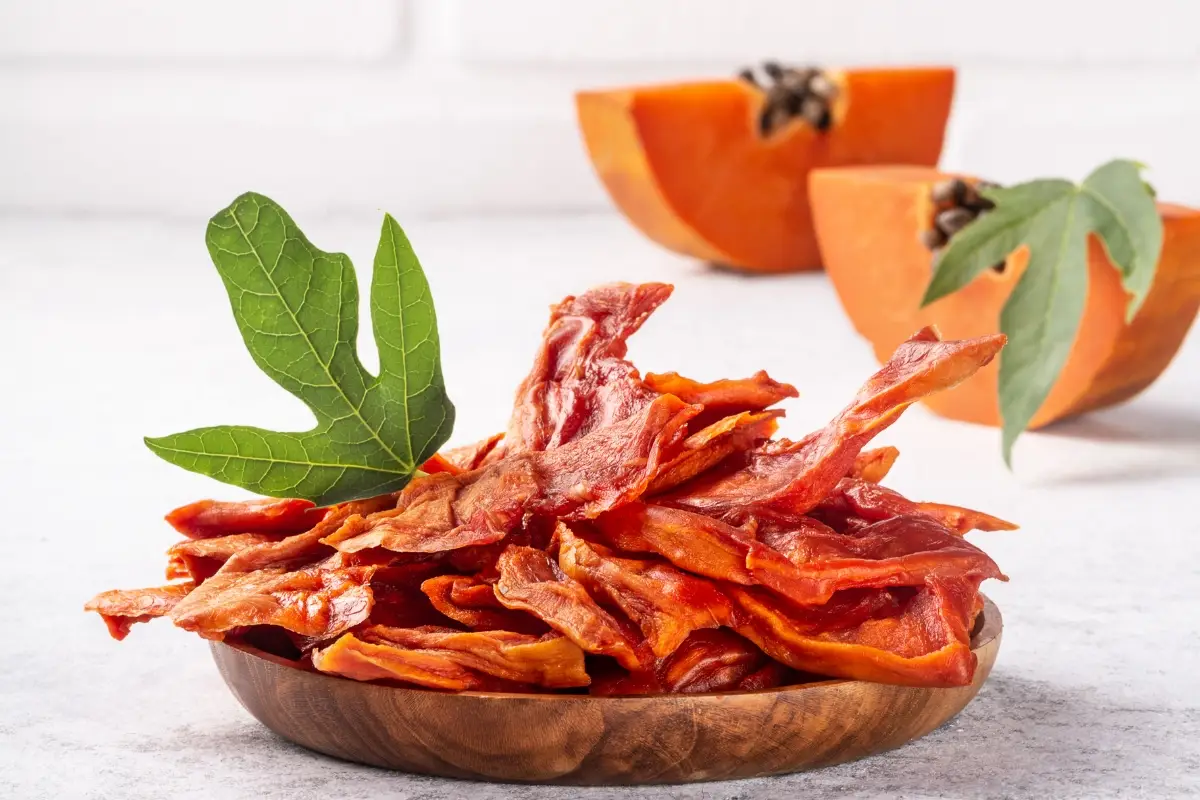
Soft-dried papaya should be stored in a dry, cool, and well-ventilated place away from direct sunlight and heat sources.
After opening the package:
- Seal the bag tightly.
- Avoid contact with water.
- Do not store the product in areas with high humidity.
- Do not consume the product if an unusual odor develops.
- Do not consume the product if there are signs of mold or unusual changes in sensory characteristics.
Because soft-dried papaya still retains a certain level of moisture, leaving the package open for an extended period may cause the papaya pieces to absorb moisture, become softer, or stick together.
The exact shelf life and storage conditions should be based on the label of each specific product.
What Factors Affect the Price of Soft-Dried Papaya?
The price of soft-dried papaya varies depending on raw material quality, seasonality, cutting specifications, and product ingredients.
It also depends on packaging requirements, order quantity, and OEM or export requirements.
Customers should clearly provide their requirements in order to receive the most accurate and suitable wholesale quotation.
VILIFA – Reliable Soft-Dried Papaya Supplier
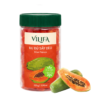
VILIFA specializes in supplying soft-dried papaya for businesses, distribution, and food processing. The product is made from suitable raw materials and undergoes preparation, drying, inspection, and packaging processes designed to maintain the characteristic color, flavor, and soft, chewy texture of papaya.
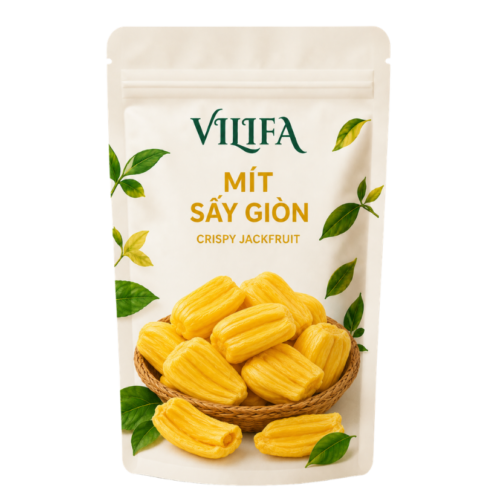
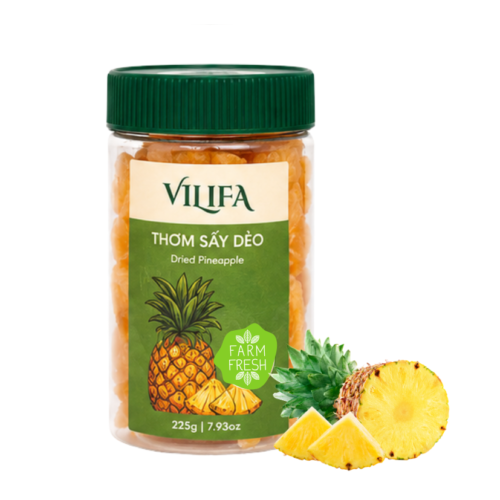
In addition to soft-dried papaya, VILIFA’s agricultural product portfolio also includes a diverse range of frozen fruits, dried fruits, purees, and processed agricultural ingredients to meet the needs of food production, beverage manufacturing, F&B businesses, and distribution. Depending on the product line, specifications, packaging, and technical requirements can be discussed according to the customer’s actual needs.
With a focus on providing a stable supply of agricultural products, consistent quality, and flexible specifications, VILIFA emphasizes control from raw material selection and preparation to processing, packaging, and storage. At the same time, information regarding ingredients, cutting formats, production volume, packaging, and product documentation is clearly discussed before order confirmation, helping businesses plan their purchasing and distribution activities more proactively.
This provides a foundation for VILIFA to work with agents, distributors, food brands, and export partners in selecting agricultural products suitable for their production, business, and product development needs.
Businesses looking for a supply of soft-dried papaya or other processed agricultural products are welcome to contact the VILIFA hotline or fanpage for consultation on specifications, samples, production volume, and suitable quotations.
Reviews
There are no reviews yet.