


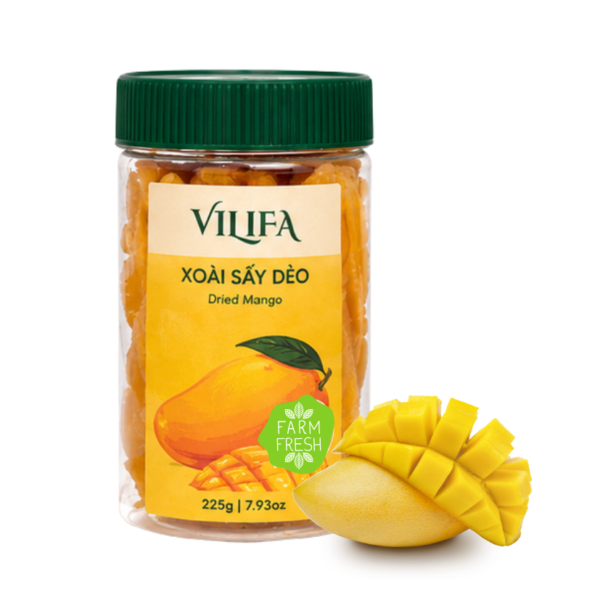
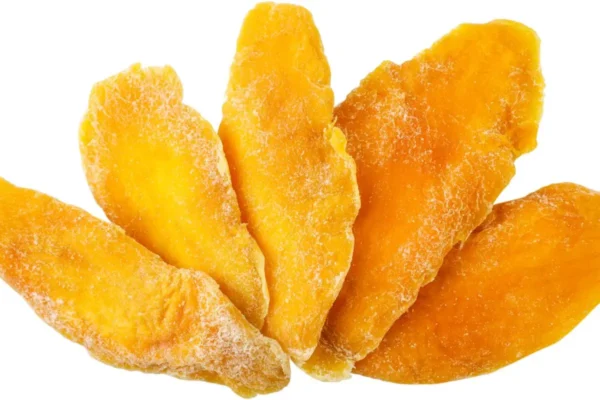
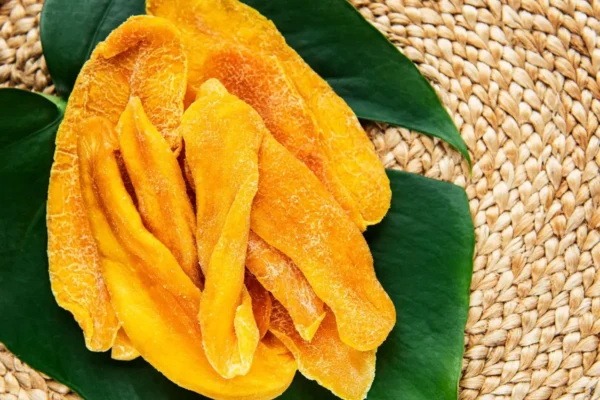
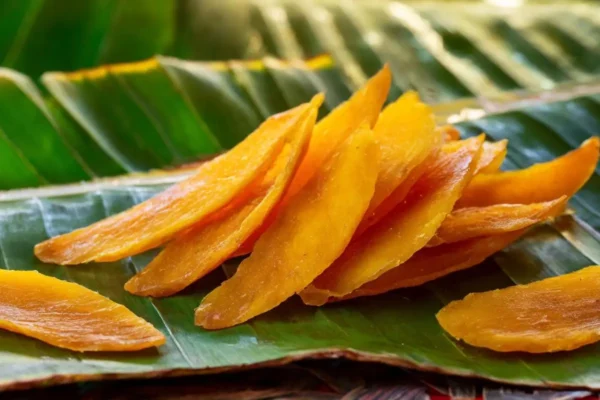
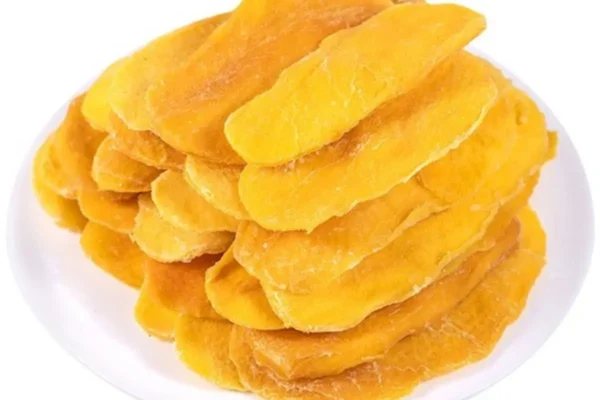
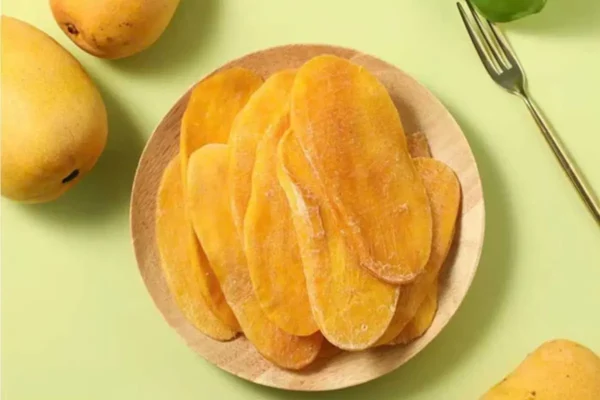



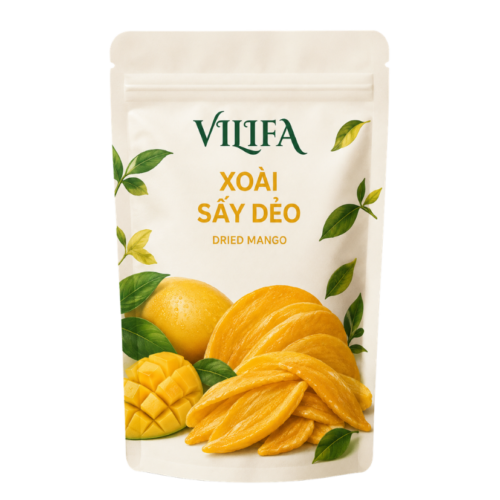
Soft-dried mango is one of the processed soft-dried fruit products that attracts strong interest from food businesses, distributors, specialty stores, and exporters. The product has a naturally sweet and tangy flavor, an attractive color, is easy to store, and is suitable for various purposes such as snacking, gifting, retail sales, commercial packaging, or use as an ingredient in the food industry.
What Is Soft-Dried Mango?

Soft-dried mango is made from fresh, high-quality mangoes through a drying process in which temperature and humidity are carefully controlled. This method reduces part of the moisture content, creates a soft and chewy texture, and helps maintain suitable sensory characteristics of the raw material. What distinguishes soft-dried mango from other dried products is the remaining moisture content, which gives the product a chewy, soft texture without becoming hard or overly dry.
The product is made using hot-air drying or low-temperature drying methods and usually does not undergo deep-frying, making it suitable for the development of convenient fruit snacks. Soft-dried mango for export is generally produced under strict processes to meet international food safety standards.
Soft-dried mango is made from fresh mangoes that are selected, cleaned, peeled, deseeded, and cut according to specifications. The mango is then placed in a drying system with controlled temperature and drying time to reduce part of the moisture content, creating its characteristic soft and chewy texture.
Compared with crispy dried mango, soft-dried mango retains a certain level of moisture, so the finished product is softer, easier to chew, and has a texture closer to natural mango flesh. The product generally does not undergo deep-frying, making it suitable for convenient fruit snack lines.
Depending on the recipe and target market, the product can be divided into:
- Dried mango with added sugar: Has a more pronounced sweetness and is suitable for snack products and retail product lines.
- Soft-dried mango with no added sugar: This term is generally used for products without additional sugar added during processing. Mango itself naturally contains sugars in the fruit flesh.
- Sliced soft-dried mango: A common format that is convenient for retail packaging or export.
- Strip-cut or piece-cut soft-dried mango: Suitable for toppings, granola, bakery products, and mixed food products.
Some candied soft-dried mango products may have different formulations and sweetness levels compared with regular soft-dried mango. Therefore, businesses should check the ingredients and specifications before making a selection.
Health Benefits of Dried Mango
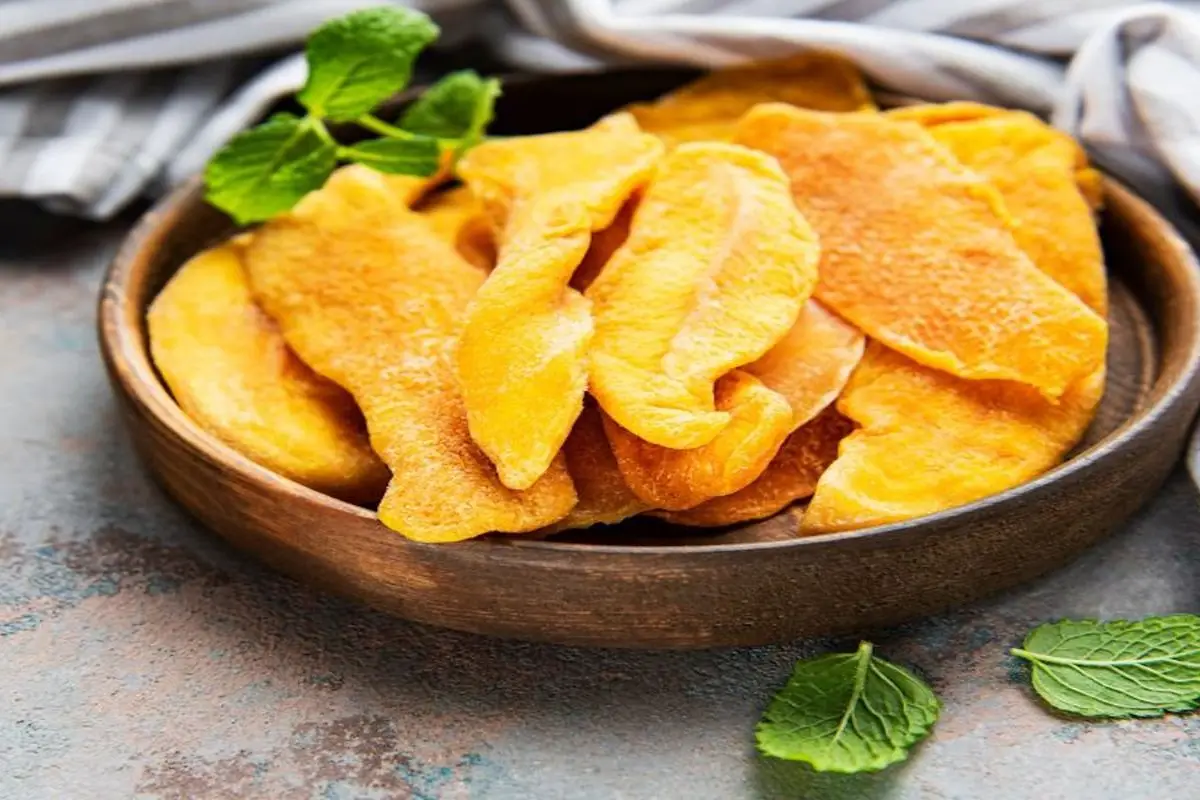
In addition to being a delicious snack during holidays and festive occasions, soft-dried mango also offers several health benefits:
- Rich in vitamins and minerals: Soft-dried mango contains vitamins A, C, and B-group vitamins, along with minerals such as potassium and calcium. Vitamin A supports eye and skin health, while vitamin C supports the immune system.
- Supports digestion: The fiber content in soft-dried mango helps support digestion and prevent constipation.
- Helps reduce cholesterol: Studies suggest that vitamin C, pectin, and fiber in mango may help reduce bad cholesterol.
- Antioxidant properties: Soft-dried mango contains antioxidants such as beta-carotene, which help protect the body against free radicals and may help slow the aging process.
- A convenient source of energy: Natural sugars in soft-dried mango provide quick energy and may help reduce tiredness and fatigue.
Common Types and Forms of Soft-Dried Mango
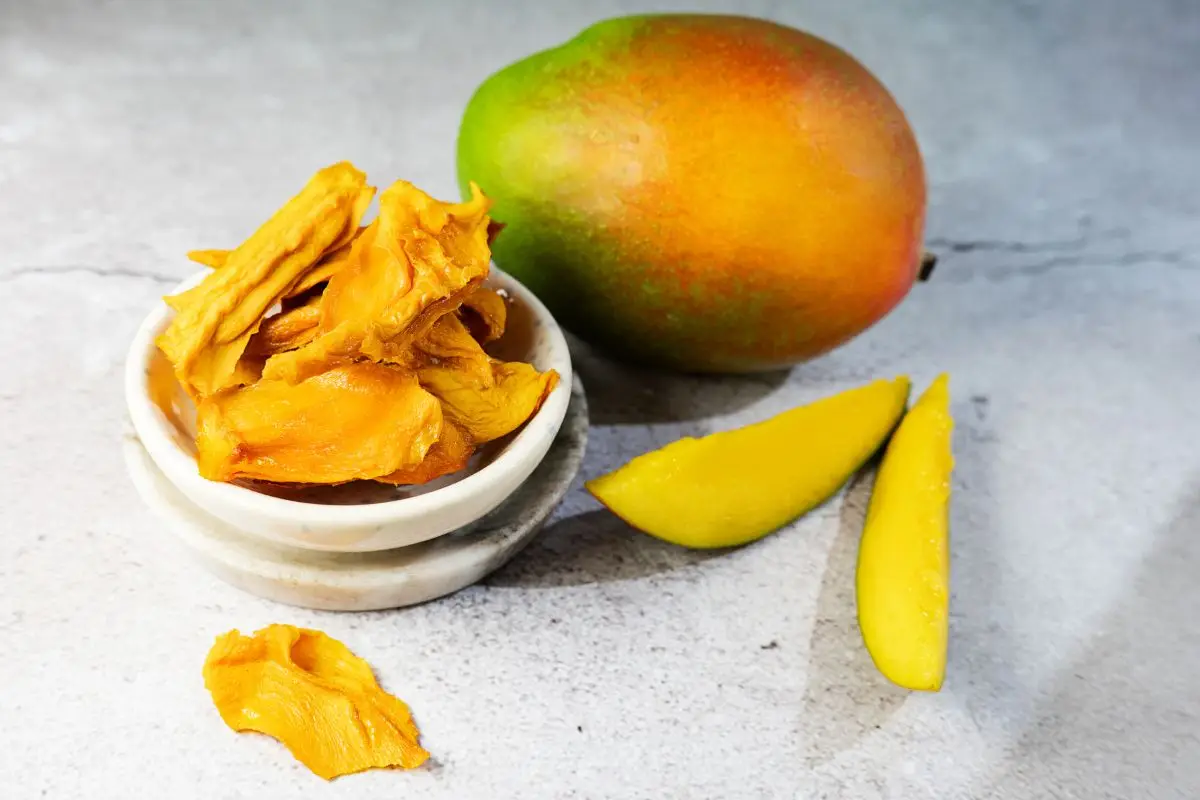
Soft-dried mango is currently available in various types and specifications to meet different consumer needs:
- By sweetness:
- Soft-dried mango with added sugar: The most common type, with a sweeter flavor suitable for snacking.
- Soft-dried mango with no added sugar: Suitable for people who prefer a more natural sweet-and-tangy mango flavor or who want to limit added sugar.
- By product form:
- Sliced soft-dried mango: Mango is cut into thin slices that are convenient to eat.
- Strip-cut soft-dried mango: Mango is cut into strips, creating a different chewing experience.
- Candied soft-dried mango: A soft-dried mango preserve that generally has a higher sweetness level.
- By packaging specifications:
- Soft-dried mango can be packed in various sizes such as 100 g, 250 g, 500 g, 1 kg, or according to OEM requirements, making it suitable for both retail and export.
Key Features of Soft-Dried Mango
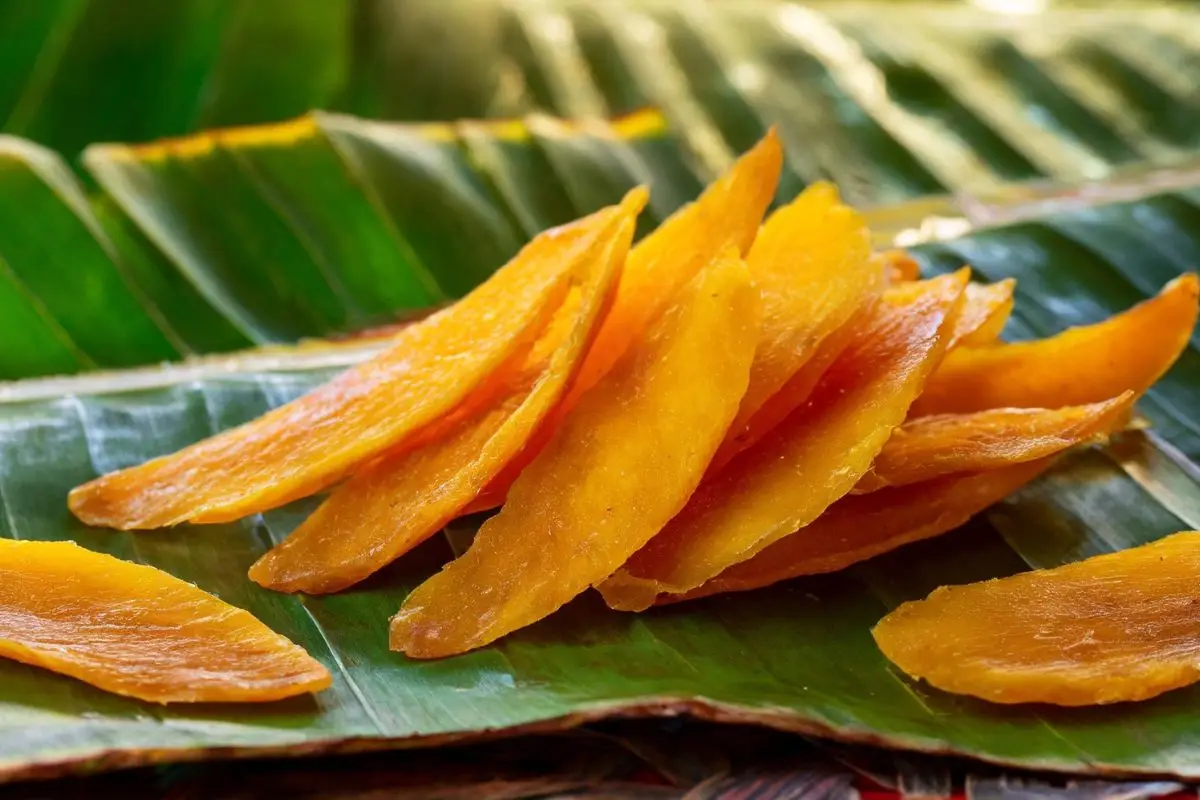
dried mango is popular because it combines the flavor of tropical fruit with convenience in storage and distribution. When properly processed, the product has a natural yellow color, a characteristic mango aroma, a balanced sweet-and-tangy flavor, and a moderately chewy texture.
A high-quality dried mango product usually has the following characteristics:
- Convenient to use: Can be eaten directly without washing, peeling, or cutting.
- Color: Natural orange-yellow or deep yellow color, visually attractive, without dark discoloration.
- Flavor: Characteristic aroma of ripe mango, with a balanced sweet-and-tangy taste that is neither harsh nor excessively sweet.
- Texture: Soft and chewy, without being overly dry, hard, or excessively moist.
- Uniformity: Mango pieces have relatively consistent size and thickness.
- No preservatives: Quality products are generally produced without preservatives, helping retain the natural mango flavor.
- High commercial value: Helps increase the value of fresh mango after harvest.
- Flexible packaging: Can be packed in small bags, large bags, gift boxes, private-label packaging, or bulk cartons.
- Versatile applications: Suitable for snacks, gifts, toppings, cereals, granola, bakery products, fruit tea, and processed foods.
For businesses, soft-dried mango is a product that is relatively easy to build a brand around because of its popularity, attractive appearance, and suitability for various sales channels.
Soft-Dried Mango Production Process
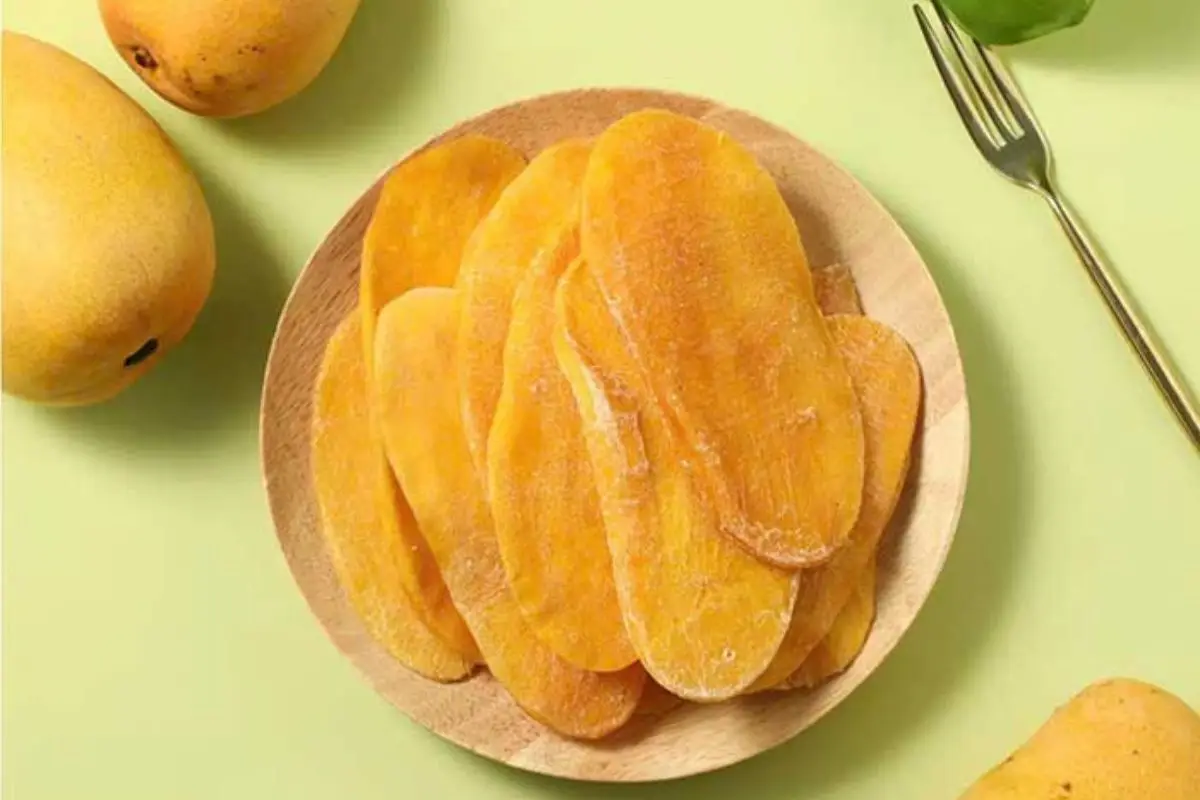
Below is a common production process used in the industry for no-added-sugar dried mango. The specific process used by each supplier may vary depending on equipment, mango variety, and the standards of the target market.
Step 1: Raw material selection. Fresh mangoes are harvested at an appropriate stage of ripeness, generally around 80–90% maturity, when the fruit has accumulated sufficient natural sugars while the flesh remains firm enough to avoid becoming crushed during cutting and drying.
Step 2: Sorting and washing. After harvesting, the mangoes are sorted to remove bruised, damaged, or insufficiently ripe fruit. Qualified mangoes are thoroughly washed to remove dirt, sap, and surface microorganisms.
Step 3: Peeling and cutting. The mangoes are peeled, deseeded, and cut into slices or pieces according to specifications. The thickness of each piece affects both the drying time and the texture of the finished product.
Step 4: Pre-drying treatment. Some manufacturers may apply a mild pre-treatment process to stabilize the color and reduce oxidation during drying.
Step 5: Drying. The mango is placed in a drying system under controlled temperatures, generally ranging from 55–70°C, for several hours to more than one day depending on the drying technology and slice thickness. The drying process reduces moisture content to approximately 15–20%, depending on product requirements.
Step 6: Quality inspection. The finished product is checked for moisture content, color, texture, and microbiological indicators before packaging.
Step 7: Packaging. dried mango is packed in moisture-resistant packaging, commonly including zip bags, vacuum-sealed bags, or aluminum-laminated bags to protect the product during storage and transportation.
What Is the Difference Between Soft-Dried Mango, Crispy Dried Mango, and Freeze-Dried Mango?
Each drying technology creates a different texture and is suitable for different applications. Businesses should select the appropriate product according to their business objectives.
| Criteria | Soft-Dried Mango | Crispy Dried Mango | Freeze-Dried Mango |
|---|---|---|---|
| Texture | Soft, chewy, easy to eat | Crispy and light | Crispy, porous, and light |
| Flavor | Rich sweet-and-tangy flavor, close to ripe mango | May be rich or slightly fatty depending on the processing technology | Retains natural aroma well |
| Applications | Snacks, gifts, retail, toppings | Crispy snacks, mixed dried-fruit packs | Premium foods, cereals, toppings |
| Processing Cost | Generally more accessible | Depends on the technology | Generally higher |
| Eating Experience | Soft and chewy with a rich fruit taste | Crispy and enjoyable | Light, porous, and dissolves quickly |
Among these products, soft-dried mango is suitable for customers who prefer soft fruit snacks with a distinctive flavor that are easy to eat and easier to store than fresh mango.
How to Store Soft-Dried Mango
Dried mango should be stored in a dry, cool, and well-ventilated place away from direct sunlight and areas with high humidity. After opening the package, the bag should be tightly resealed or the product should be transferred to an airtight container to reduce moisture absorption from the air.
Important storage notes include:
- Do not store the product near heat sources.
- Do not use the product if the packaging is torn, unusually swollen, or has an unusual odor.
- Always check the expiry date and storage instructions on the packaging.
- For large-volume orders, products should be stored under appropriate warehouse conditions to maintain consistent quality.
- Do not allow the product to come into direct contact with water or humid environments.
If stored improperly, soft-dried mango may become excessively soft, stick together, change color, lose its aroma, or experience a decline in sensory quality.
How to Choose High-Quality Soft-Dried Mango
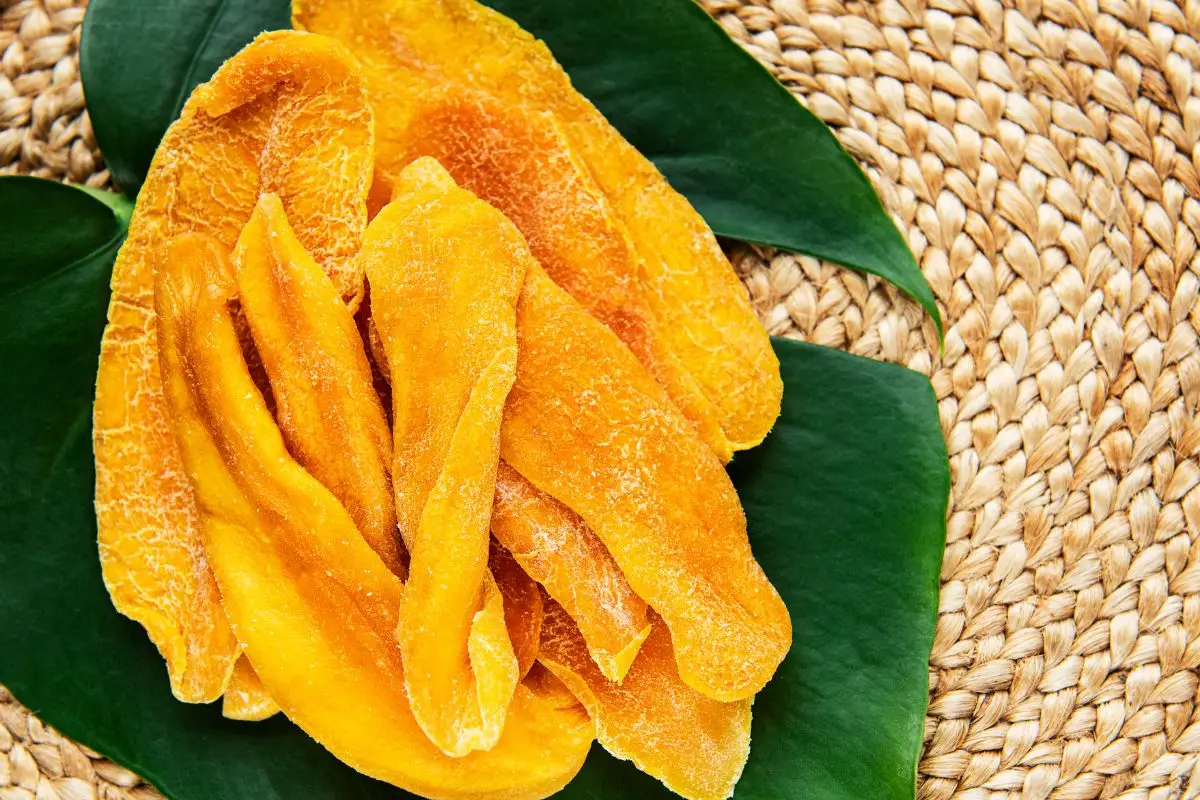
When purchasing soft-dried mango, businesses should evaluate the product based on multiple factors instead of comparing price alone.
- A good product generally has a natural yellow to orange-yellow color, relatively uniform mango slices, a pleasant aroma, and no unusual odors.
- In terms of sensory quality, the mango should have a moderate chewiness and should not be excessively dry and hard or unusually wet and sticky.
- The mango flavor should be balanced, not harsh, and should not have an unpleasant aftertaste. For B2B orders, businesses should also check the cutting specifications, product uniformity, packaging, shelf life, storage conditions, and the supplier’s ability to provide a stable supply.
For dried mango intended for export or private-label production, customers should clearly discuss product standards, testing requirements, labeling information, packaging specifications, and the necessary documentation for each target market.
What Factors Affect the Price of Soft-Dried Mango?
The price of dried mango may vary depending on several factors, including the fresh mango season, mango variety, ripeness of the raw material, processing yield, cutting specifications, processing technology, packaging, order quantity, and quality requirements.
Factors that commonly affect quotations include:
- Mango variety and quality of the raw materials.
- Thickness of the mango slices and the desired level of chewiness.
- Packaging specifications: small bags, large bags, boxes, cartons, or private-label packaging.
- Wholesale, distribution, OEM, or export orders.
- Testing, documentation, and market-standard requirements.
- Delivery conditions and order volume.
Therefore, to receive an accurate quotation, customers should clearly provide their intended use, required specifications, expected order volume, packaging format, and target market. Contact VILIFA for consultation and the most suitable quotation.
VILIFA – A Reliable Soft-Dried Mango Supplier
VILIFA dried fruit supplier for distribution, wholesale, gifting, OEM, private label, food processing, and export. The product is developed with a focus on consistency, ease of application, and suitability for different business models.
Customers can contact VILIFA for consultation regarding:
- Suitable soft-dried mango specifications.
- Bag, box, carton, or customized packaging.
- Wholesale, distribution, commercial, or export requirements.
- OEM and private-label product development.
- Product information, quality documentation, and requirements for individual orders.
With the advantage of Vietnam’s abundant agricultural resources, VILIFA aims to supply high-value processed fruit products, helping businesses expand their product portfolios and meet the increasingly diverse demands of the market.
Businesses looking for a source of quality dried mango with flexible specifications suitable for commercial use are welcome to contact the VILIFA hotline or VILIFA for consultation on product solutions based on intended use, order volume, and the standards of each target market.
Reviews
There are no reviews yet.