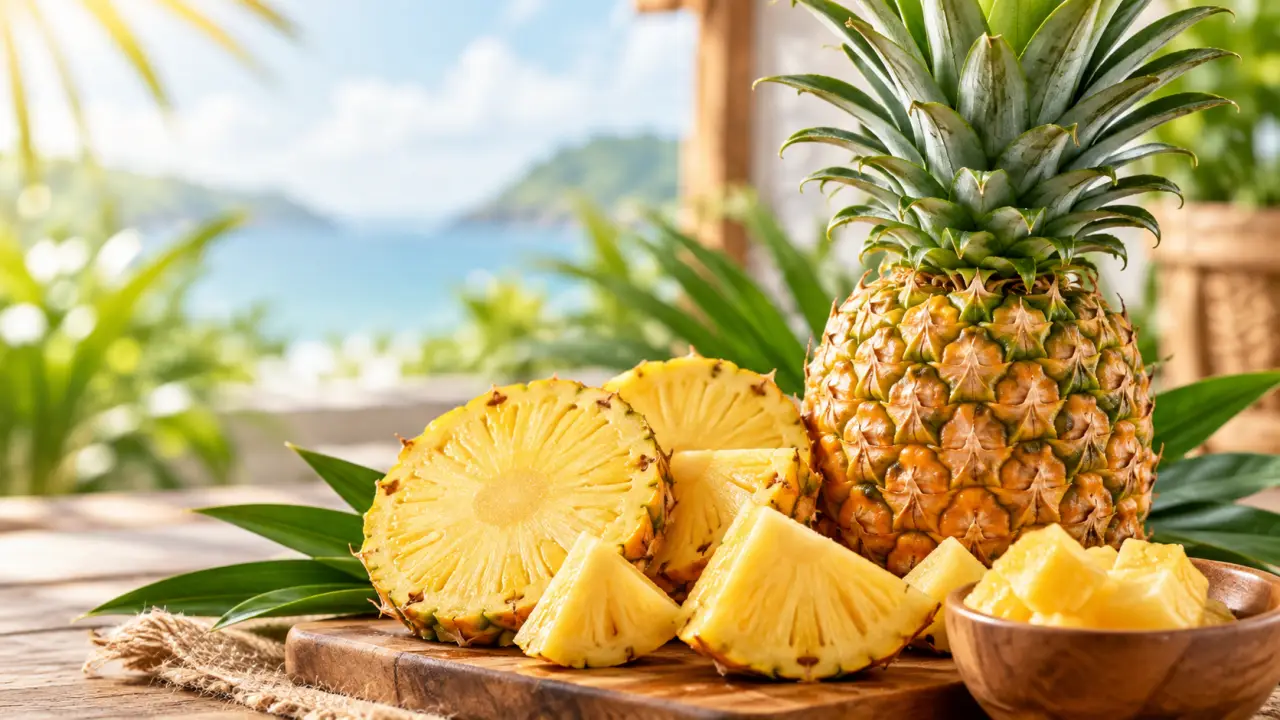
A piece of ripe pineapple offers a pleasant sweetness balanced by a light tang, making it a refreshing choice after a rich meal. This tropical fruit appears in many familiar dishes, from sour soups and stir-fries to juices and smoothies. Beyond its distinctive flavor, pineapple also contains several nutrients worth exploring.
So, what is pineapple good for? What roles do vitamin C, manganese, and the enzyme bromelain play? Understanding these characteristics can help consumers enjoy pineapple more appropriately while also explaining why this tropical fruit is widely used in food processing.
Are Khóm, Dứa and Thơm the Same Fruit?
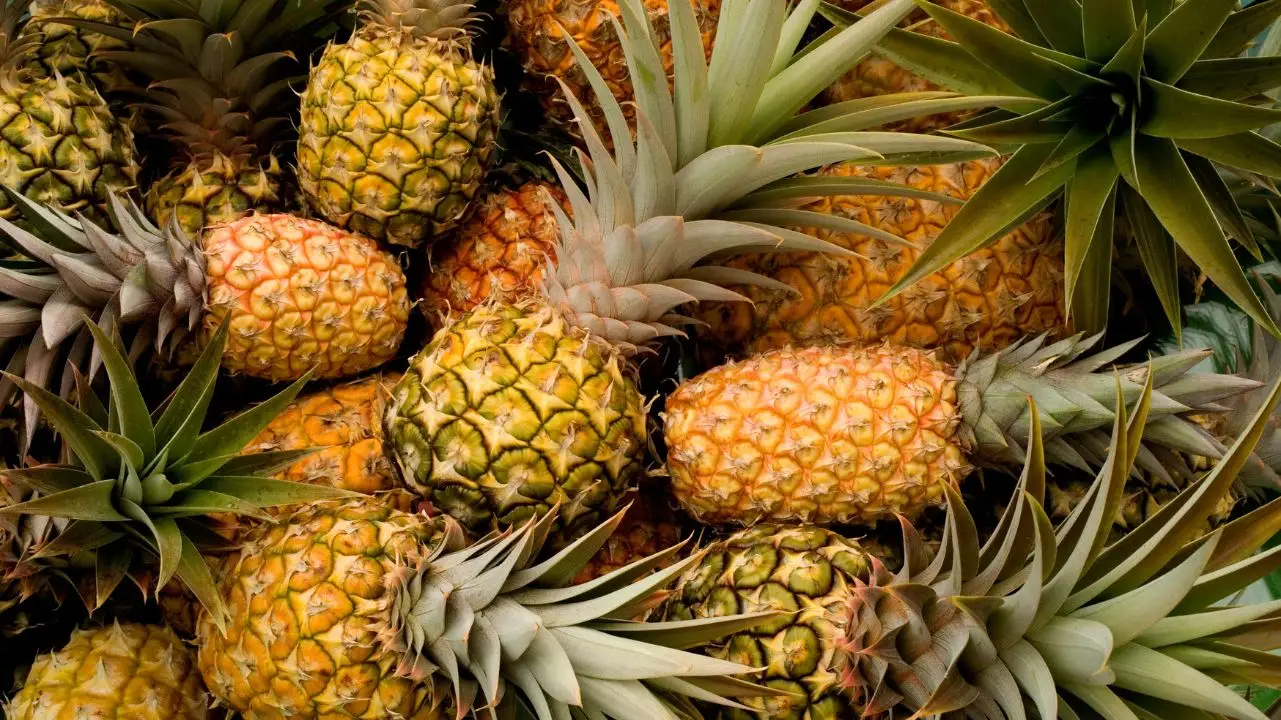
Pineapple has the scientific name Ananas comosus and belongs to the Bromeliaceae family. In Vietnam, the fruit is commonly called khóm, dứa, or thơm, depending on regional language preferences.
In some areas, the terms khóm and thơm may also be used to distinguish between varieties or commercial characteristics. For this reason, businesses purchasing large volumes should identify the specific variety rather than relying only on a common local name.
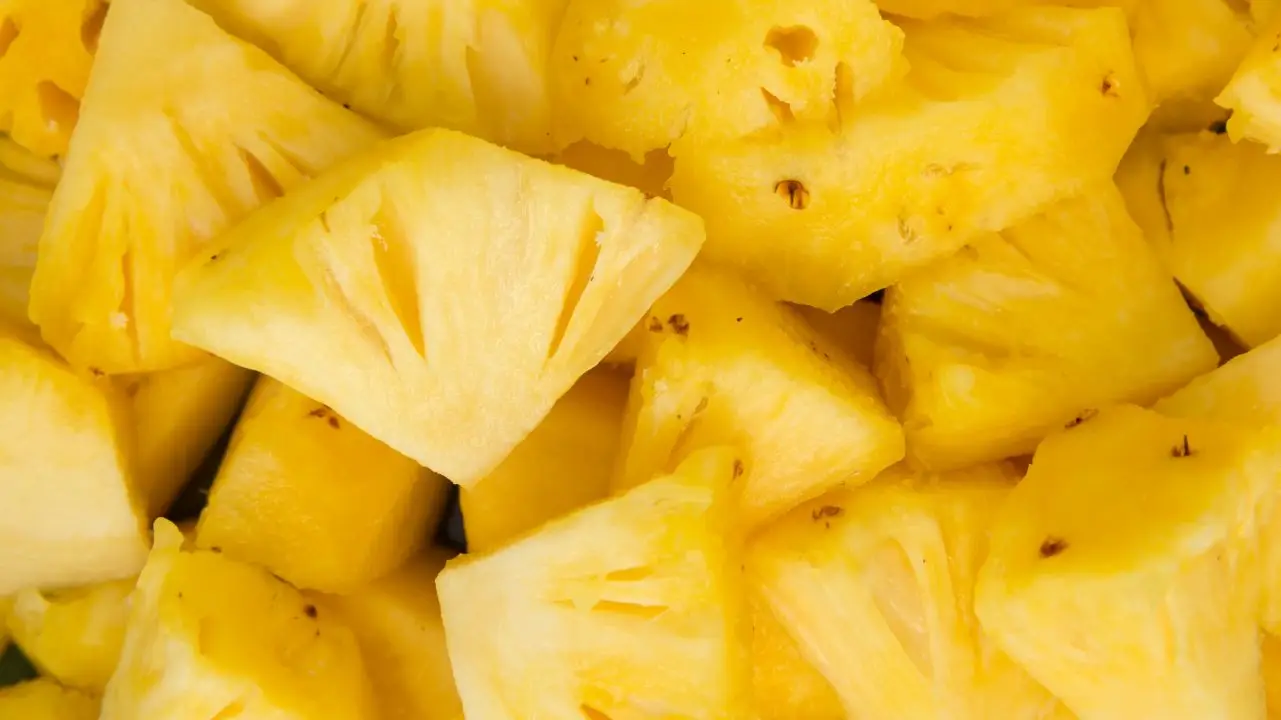
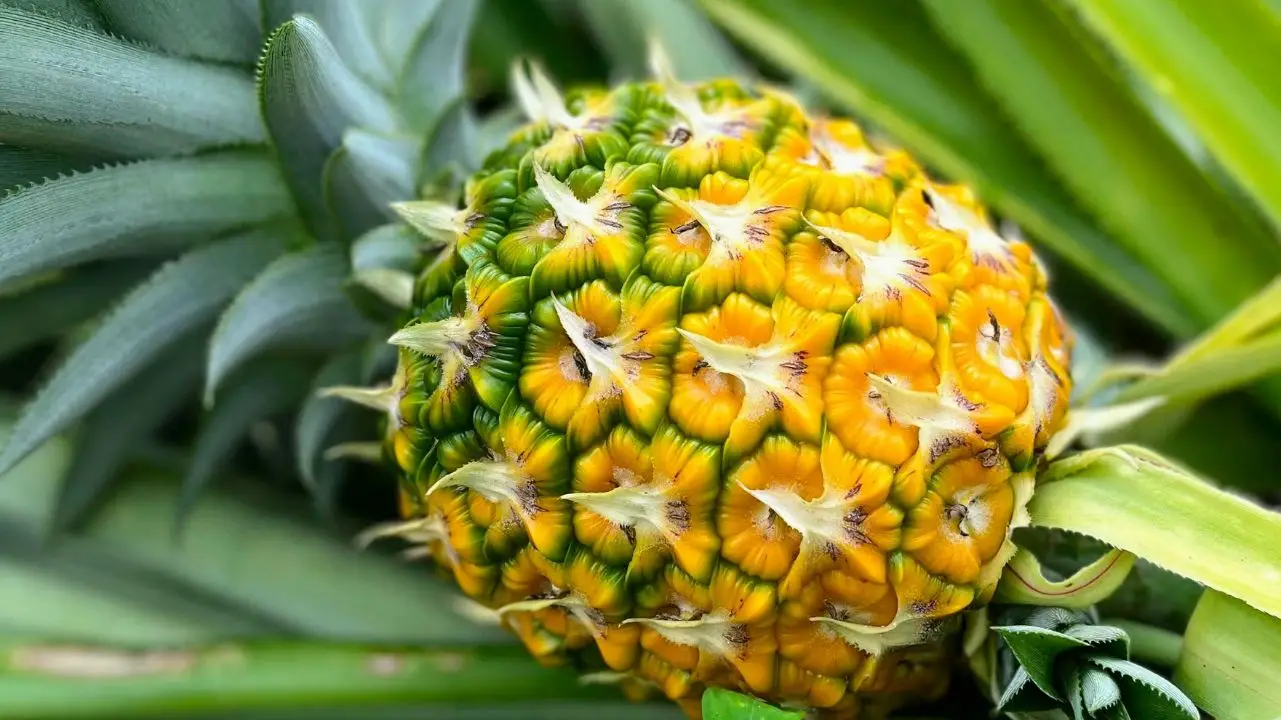
Pineapple has a characteristic skin covered with individual “eyes,” while the flesh ranges from pale yellow to deep golden yellow. Sweetness, acidity, juiciness, and texture can vary depending on the variety and level of ripeness.
The fruit is cultivated in many areas of Vietnam, including long-established growing regions in the Mekong Delta. In addition to fresh consumption, pineapple is used as an ingredient in juices, beverages, cooked dishes, and frozen products.
Pineapple Nutrition per 100 g
Pineapple contains a high proportion of water while also providing carbohydrates, dietary fiber, and several vitamins and minerals.
According to USDA food composition reference data, approximately 100 g of edible fresh pineapple contains:
| Nutrient | Reference Amount |
|---|---|
| Energy | 50 kcal |
| Water | About 86 g |
| Carbohydrates | 13.12 g |
| Natural sugars | 9.85 g |
| Dietary fiber | 1.4 g |
| Vitamin C | 47.8 mg |
| Manganese | 0.927 mg |
| Potassium | 109 mg |
These values may vary depending on the variety, growing conditions, and ripeness. Nutritional data for fresh fruit also cannot be applied directly to pineapple juice, dried pineapple, or products containing added sugar.
An important aspect of pineapple nutrition is its vitamin C and manganese content. The fruit also contains bromelain, a group of enzymes with biological properties and specific applications in food processing.
What Are the Health Benefits of Pineapple?
To understand pineapple benefits appropriately, it is important to consider the nutrients present in realistic food portions rather than drawing conclusions from studies involving concentrated extracts or supplements.
Vitamin C Contributes to Normal Immune Function
Vitamin C plays a role in collagen formation, supports normal immune system function, and helps improve the absorption of iron from plant-based foods.
With its notable vitamin C content, pineapple can contribute to daily nutrient intake when included as part of a varied diet.
However, eating pineapple does not mean a person will avoid colds or treat infectious diseases. Its nutritional value should be considered as part of the overall diet rather than attributed to one fruit alone.
Manganese Is Involved in Many Metabolic Processes
Compared with vitamin C, manganese is discussed less frequently when it comes to fruit nutrition.
Manganese is a trace mineral involved in the activity of numerous enzymes and plays a role in nutrient metabolism and several normal physiological functions.
Pineapple is a food source with a noteworthy manganese content. However, this does not mean that eating the fruit can treat bone or joint conditions or replace other sources of nutrition.
Water and Dietary Fiber
Pineapple flesh has a high water content, contributing to its juicy and refreshing texture. It also provides dietary fiber, an important component for normal digestive function.
Although pineapple is not an exceptionally high-fiber food, eating the whole fruit can still contribute dietary fiber to the overall diet.
The way the fruit is consumed also makes a difference. A smoothie that retains the fruit pulp may contain more fiber than juice from which most of the pulp has been removed.
What Does Bromelain in Pineapple Do?
Bromelain in pineapple refers to a group of protein-digesting enzymes found in the fruit and several other parts of the pineapple plant.
Because of this protein-degrading activity, bromelain has attracted interest in food technology, particularly for applications involving protein processing.
Some studies have also examined bromelain in concentrated extract or supplement form. However, findings from these products should not be directly interpreted to mean that eating pineapple produces the same therapeutic effects.
According to the U.S. National Center for Complementary and Integrative Health (NCCIH), scientific evidence supporting the effectiveness of oral bromelain for many health conditions remains limited.
Bromelain is therefore an interesting characteristic of pineapple, but it should not be promoted as a compound capable of treating multiple diseases simply through fruit consumption.
Why Does Pineapple Sometimes Make Your Tongue Feel Sore?
Many people experience a tingling or slightly irritated sensation on the tongue or inside the mouth after eating fresh pineapple, especially when consuming a large amount at once.
This sensation may be related to the combined effects of bromelain and the natural acidity of the fruit flesh. People with sensitive oral tissues may experience more noticeable discomfort.
Fruit at an appropriate stage of ripeness generally has a more pleasant sweetness, but this does not guarantee that everyone will avoid the tingling sensation.
If discomfort occurs, reducing the serving size or choosing a different preparation method may help. Heat-treated pineapple may have different enzyme activity compared with fresh fruit.
Soaking pineapple in salt water should not be considered a guaranteed method for removing bromelain. If symptoms such as swollen lips, hives, or difficulty breathing occur after consumption, medical assistance should be sought because these may indicate an allergic reaction.
How Are Fresh Pineapple, Pineapple Juice and Frozen Pineapple Different?
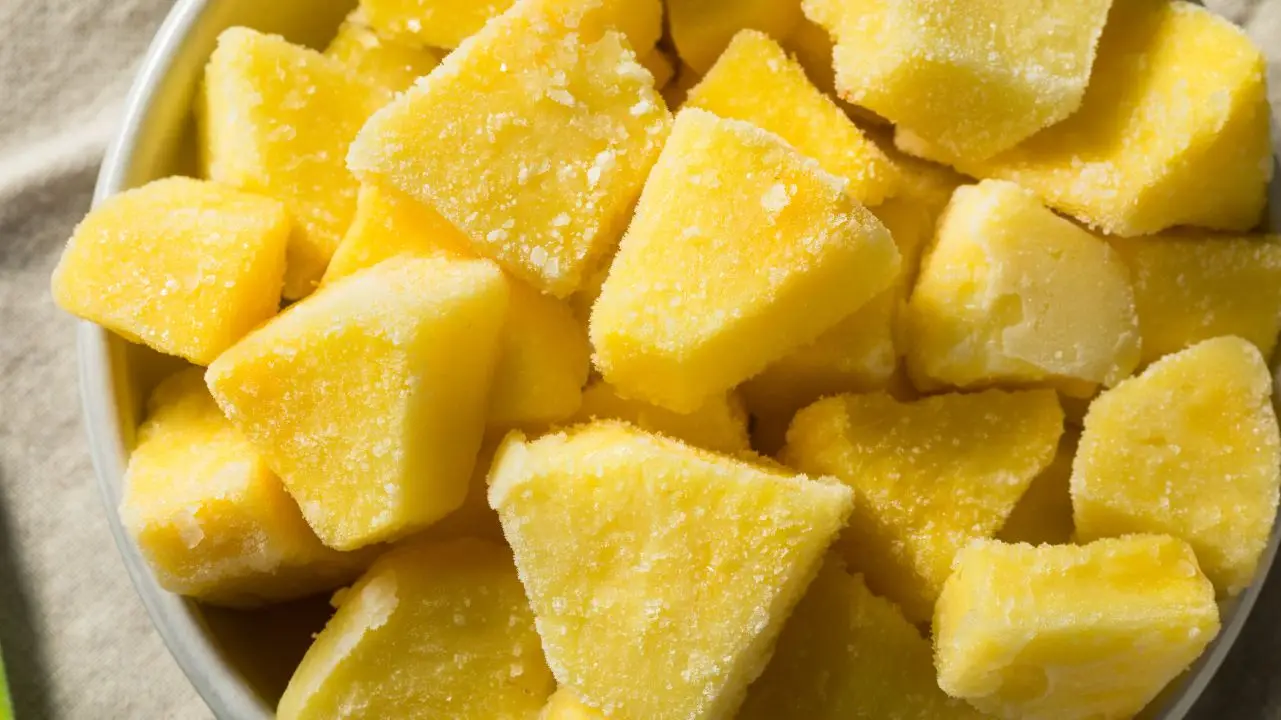
Although they all come from the same fruit, preparation, storage, and processing methods can affect texture, flavor, and nutritional composition.
Fresh pineapple: When eaten directly, consumers receive both the water and fiber contained in the fruit flesh. Crispness, juiciness, sweetness, and acidity vary depending on the variety and ripeness.
Pineapple juice: Juice is convenient for beverages and foodservice applications. However, filtering out the pulp can reduce the amount of dietary fiber. For bottled products, the ingredient list should also be checked to determine whether sugar has been added.
Frozen pineapple: This format is suitable for recipes requiring pre-prepared ingredients, such as smoothies, ice cream, beverages, and various processed foods.
When properly processed and stored, freezing can extend the usable storage period compared with fresh fruit. However, characteristics such as texture after thawing, aroma, and vitamin C content may still change.
For business buyers, selecting frozen pineapple requires consideration of cut size, Brix level, acidity, product condition, and quality after thawing.
What Can You Make with Pineapple Besides Eating It Fresh?

This tropical fruit can be used in savory dishes, beverages, and desserts. Its natural acidity makes it easy to combine with many other ingredients.
Pineapple in Sour Soups, Stir-Fries and Braised Dishes
Pineapple is commonly used in Vietnamese sour fish soup, seafood stir-fries, braised dishes, and sauces served with meat.
During cooking, its acidity blends into the broth or sauce and helps create a more pronounced flavor. The amount used should be adjusted according to the fruit’s ripeness and personal preference to avoid making the dish overly sour.
Fresh pineapple can also be used in certain meat marinades. Because bromelain can break down proteins, the ingredient may influence meat tenderness. However, marinating for too long may make the surface of the meat excessively soft.
Smoothies, Juices and Desserts
When considering what to make with pineapple, smoothies and juices are among the simplest options.
The fruit can be combined with mango, banana, or other fruits to create sweet-and-tangy beverages. In desserts, pineapple flesh can also be used in ice cream, sorbet, cakes, and fruit sauces.
When preparing gelatin-based desserts, it is important to note that bromelain in fresh pineapple may interfere with gel formation. Recipes using gelatin may therefore require the fruit to be heat-treated before mixing.
Is Pineapple Good for You? Important Considerations
For most people who tolerate the fruit normally, whether pineapple is good for you depends on serving size, preparation method, and the overall diet.
Pineapple provides vitamin C, manganese, water, and some dietary fiber. However, consuming too much may cause mouth or stomach discomfort in people who are sensitive to acidic foods.
People who need to manage carbohydrate intake should pay attention to serving size. With juices and smoothies, added sugar can also significantly affect the total energy content of the beverage.
When selecting fresh fruit, avoid products showing signs of spoilage, mold, or unusual fermented odors. Once peeled and cut, pineapple should be refrigerated in a clean, tightly covered food container.
Frozen ingredients should be stored at the temperature specified on the packaging. Unnecessary thawing should be minimized, and the cold chain should remain stable.
From Pineapple Fruit to Food-Processing Ingredients
Not every pineapple variety is selected for the same application.
For juice production, manufacturers may pay particular attention to Brix, acidity, and aroma. Products that need to retain visible fruit pieces may also require specific cut sizes, texture, and condition after processing.
For beverage shops and F&B businesses, using pre-prepared pineapple can reduce the time required for peeling, eye removal, and ingredient preparation.
At commercial scale, frozen pineapple is one option that can help businesses plan production more proactively. Finished-product quality should still be evaluated according to the particular product format and supply specifications.
For customers sourcing ingredients for beverages, desserts, or food manufacturing, VILIFA can provide information about available frozen pineapple products and suitable product formats for different applications.
Conclusion
Pineapple is a familiar tropical fruit with several noteworthy characteristics from both nutritional and food-processing perspectives. Vitamin C, manganese, dietary fiber, and bromelain contribute to the fruit’s distinctive nutritional profile.
Understanding pineapple benefits, when fresh fruit is appropriate, and when frozen ingredients may be more suitable can help consumers make more informed choices.
For the food industry, selecting the right variety and ingredient format while maintaining quality during preparation and storage is important for maximizing the value of pineapple as a raw material.
For customers looking for ingredients for beverages, desserts, or food manufacturing, VILIFA currently offers two pineapple product lines: Queen pineapple and MD2 pineapple. Depending on the intended application, businesses can evaluate products based on flavor, ripeness, technical requirements, and the characteristics of the finished product.
For B2B orders, VILIFA can discuss the two product lines in greater detail, including expected volumes and specific application requirements.