You have an idea for a private-label line of dried fruit, coffee, cacao or another processed agricultural product. You understand your customers and have chosen your sales channel, but you do not want to invest in a factory, machinery and a production system from day one.
This is exactly the problem that OEM manufacturing of processed agricultural products can solve. Instead of building every processing capability yourself, you focus on product, brand and market. The factory handles production based on the formula, technical requirements and standards both sides have agreed.
This model suits F&B businesses, food brands, distributors and anyone who wants to test a new processed agricultural product before making a large investment in production facilities.
What is OEM for processed agricultural products?
OEM stands for Original Equipment Manufacturer. A business hires a factory to make a product to its own requirements and sells it under its own brand.
In an OEM project for processed agricultural products, the ordering party can decide factors such as:
- Main ingredients
- Formula
- Flavor
- Product form
- Size
- Level of processing
- Packaging specification
- Weight
- Quality standards
The factory organizes production based on the agreed requirements.
However, the scope of OEM differs from one agricultural processing factory to another. Some only accept production when the customer already has a complete formula; others can help from sampling and formula adjustment through to packaging.
So before partnering, a business should be clear about who is responsible for each stage, and who owns the formula or product standard.
How does OEM differ from ODM and Private Label?
With OEM, the business usually plays a more active role in defining the product. The ordering party can supply a formula, technical requirements or a reference sample for the factory to follow.
ODM is a better fit when a business has an idea but no finished formula. The factory can offer a base product or an existing option and then adjust it to the business’s needs.
Private Label usually means using a product the factory already produces consistently and selling it under the ordering party’s own label.
In practice, the boundary between the three models is flexible. A business can start from the factory’s base formula and then adjust sweetness, texture, ingredient ratios and packaging to create its own product.
So the important question is not only “does the factory accept OEM?” but also:
How far can the business customize the product, and who owns the final formula?
Why do businesses choose OEM when entering agricultural processing?
Investing in an agricultural processing factory is not simply a matter of buying machines and starting production.
A business also has to prepare the premises, processing lines, technical staff, warehousing, a quality management system and operating costs.
If the product has not yet been proven in the market, investing in the whole system from the start can put heavy pressure on capital.
OEM lets a business use the factory’s existing production capacity. More resources can go to product development, marketing, distribution channels and customers.
Another advantage is speed. When working with a factory that already has suitable technology and lines, a business usually does not have to build production capability from scratch.
That said, development time still depends on the formula, the number of sampling rounds, testing, packaging design and the requirements of each project.
The OEM process for processed agricultural products
A private-label manufacturing project should start by defining the product clearly.
The business needs to answer some basic questions:
- What is the product?
- What are the main ingredients?
- Who is the target customer?
- Which market segment is it for?
- What is the main sales channel?
- What will the packaging look like?
- What is the trial volume?
Only then comes the step of finding and evaluating factories.
Not every agricultural processing company suits every product group. A company strong in dried fruit does not necessarily have experience with cacao or coffee.
When you begin sharing formulas, designs or important technical information, consider signing a non-disclosure agreement (NDA).
Next comes the trial sample stage.
If the product is still in development, it is better to try several options than to settle on the first version. Samples should be assessed for flavor, texture, stability and feasibility at large scale.
Once a sample is approved, both sides agree on product standards, packaging, testing parameters and the commercial production plan.
Processed agricultural products that can be made under OEM
Processed agricultural products can be developed in many directions, from dried fruit and processed vegetables to roasted and ground coffee, cacao and beverage products.
Each product group has its own requirements for raw materials, technology, quality standards and packaging.
So instead of looking for a factory that “can do everything”, a business should look for one with experience in the exact product group it wants to develop.
OEM dried fruit: control raw materials and seasonality
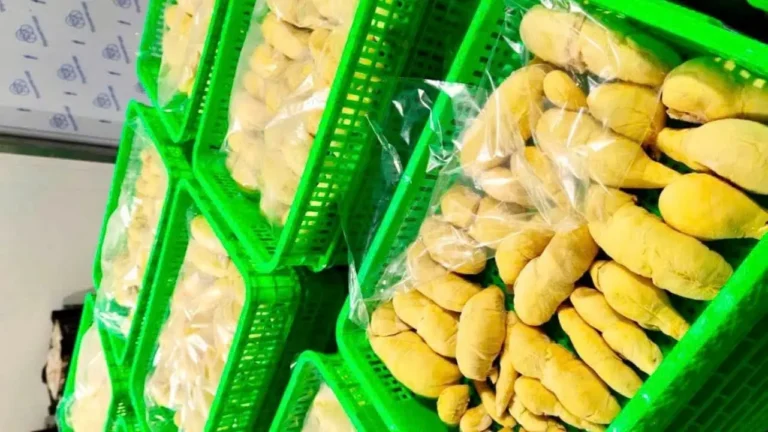
OEM dried fruit is one of the product groups that fits Vietnam’s tropical raw materials well.
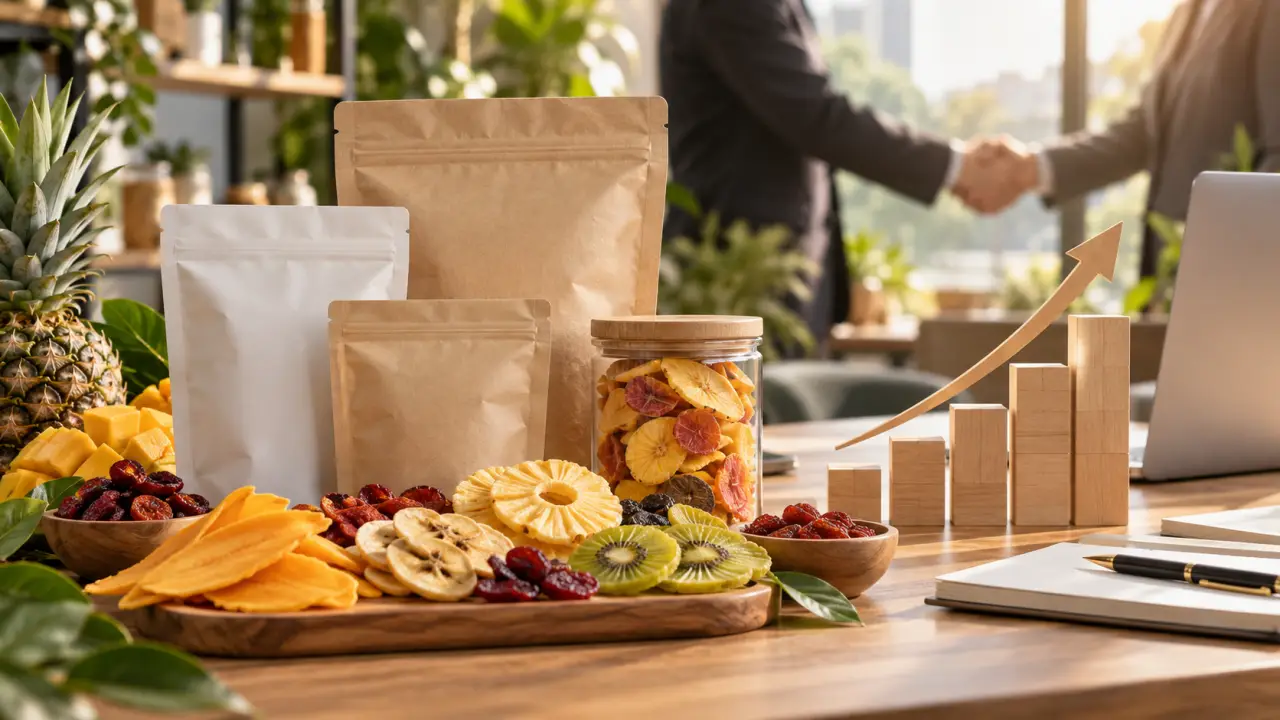
Mango, pineapple, banana, dragon fruit, jackfruit, sweet potato and many other crops can be processed into soft-dried, crispy-dried or other snack formats.
One point to note is that agricultural raw materials are seasonal.
Price, size, ripeness and yield can change from one period to another. So a business should agree with the factory on incoming raw-material standards instead of looking only at the price of the finished product.
Processing technology should also be defined clearly from the start.
Soft drying, crispy drying or other treatment methods lead to differences in:
- Moisture
- Texture
- Color
- Flavor
- Shelf life
If the brand is aiming for a low-sugar or simple-ingredient product, that requirement should also go into the product standard from the sample development stage.
OEM coffee: the roast profile defines the product
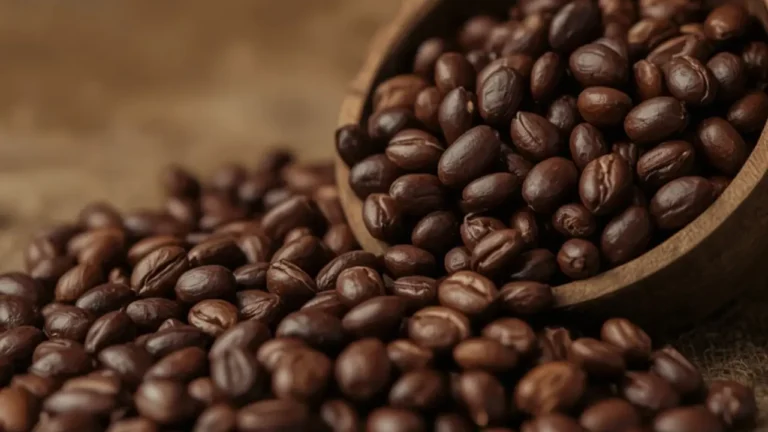
With OEM coffee, the bean source is important but it is not the whole product.
The same coffee with a different roast level or blend ratio can taste very different.
A business should decide in advance what the product is for:
- Phin brewing
- Espresso
- Cold brew
- Automatic machines
- Or a specific brewing method
Only then can the right roast level and grind size be set.
Instead of simply asking for “medium roast” or “dark roast”, a brand should try several samples and brew them the same way to compare.
This turns subjective impressions into a standard that can be controlled between production batches.
If the product uses several kinds of beans, the blend ratio should also be recorded clearly to keep the flavor stable over the long term.
OEM cacao: look from raw material to finished product
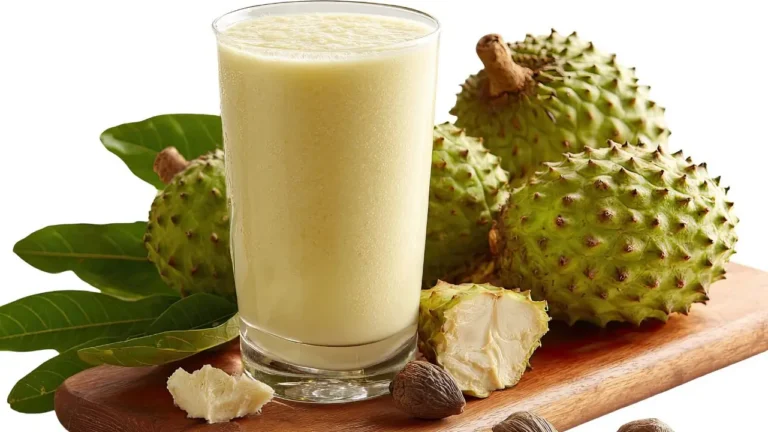
OEM cacao can cover many product forms such as cacao nibs, cocoa mass, cocoa powder, chocolate or cacao-based beverages.
Each group has different technical requirements.
For chocolate, a business needs to consider the cacao percentage, sugar, added ingredients, texture and the form of the finished product.
For cocoa powder or cacao drinks, factors such as color, aroma, fineness and how well it mixes can matter more.
So when choosing a partner, check the factory’s real capability for the exact product form you want to develop, rather than only looking at the number of products in its catalogue.
What to watch for in agricultural processing for export
For businesses developing products for export-oriented agricultural processing, the requirements for the factory go beyond production ability.
A business should also look at:
- The quality management system
- Product documentation
- Traceability
- Testing
- Labeling specifications
- Requirements of the importing market
Systems and certifications such as HACCP, ISO 22000, BRCGS or Halal may need to be considered depending on the product and market.
More importantly, a business should check the scope, validity period and products covered by a certificate, rather than only looking at the logo in the factory’s introduction documents.
Risks to control when doing agricultural OEM
An OEM project is not only about unit cost.
A business needs to control formula ownership, quality between batches, raw-material sources, extra costs and legal documents at the same time.
A formula or standard developed specially for you should have its ownership defined clearly in the NDA and the contract.
Both sides should also agree on a reference sample used as the basis for acceptance, to limit disputes about quality after production.
On cost, take full account of:
- Raw materials
- Processing
- Packaging
- Testing
- Warehousing
- Logistics
- Sample development costs, if any
Comparing only the price per kilogram can make a business overlook costs that directly affect the real cost of goods.
Checklist for choosing the right OEM factory
When evaluating a factory or agricultural processing company, a business should consider these at the same time:
- Experience with the exact product group
- Minimum order quantity
- Ability to develop and adjust samples
- Quality control system
- Quality of trial samples
- Ability to meet packaging requirements
- Raw-material sources
- Production time
- Ability to keep quality consistent between batches
- Speed and quality of communication
A good factory is not only a place that can make the product.
It must also understand the brand’s requirements and keep quality steady when moving from trial samples to commercial production.
For a new business, flexibility during the trial stage is sometimes more important than very large capacity.
Conclusion: OEM lets a business validate the product before investing heavily
OEM for processed agricultural products is a suitable choice for businesses that want to develop private-label dried fruit, coffee, cacao or other processed agricultural products without building a whole factory themselves.
However, OEM is only truly effective when a business knows exactly what product it needs and has specific criteria for evaluation.
Dried fruit needs attention to raw-material sources, seasonality and processing technology. Coffee needs control of the bean source, roast profile and grind. Cacao needs a careful look at the raw-material form, formula and the factory’s processing capability.
Instead of starting with the question:
“How much does processing cost?”
a business should start with:
“What standards does my product need to meet, and which factory can keep those standards stable?”
That is the foundation of a long-term OEM relationship.
Looking for an OEM partner for your own brand?
If your business is developing private-label dried fruit, coffee, cacao or other processed agricultural products, prepare these in advance:
- The intended product
- The existing formula or idea
- Expected volume
- Packaging specification
- Target market
- Quality requirements
- Documentation or certification requirements, if any
If you already have your own product standard, you can send it directly so VILIFA can check whether we can meet it.
Contact VILIFA to discuss your needs for OEM processed agricultural products and the option that suits your product.