


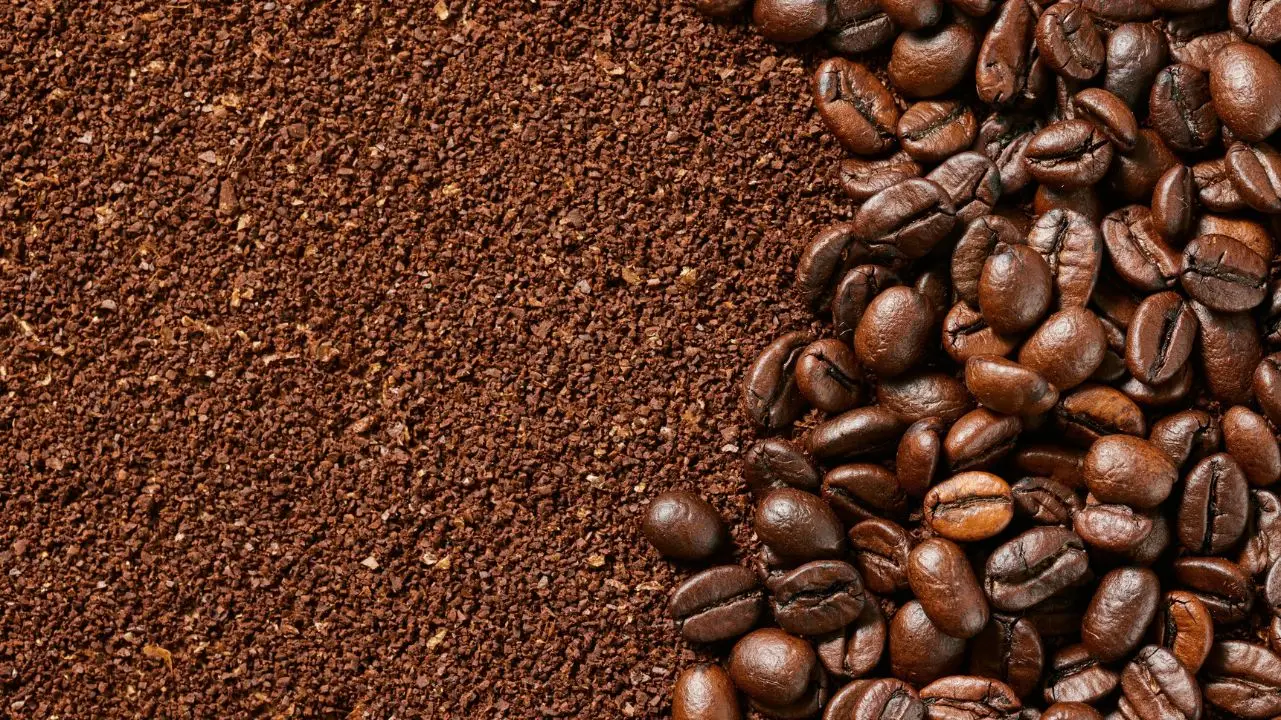

Natural roasted coffee beans are becoming an increasingly popular choice among consumers and F&B businesses thanks to their authentic flavor and greater transparency in quality control.
However, not everyone clearly understands what natural roasted coffee beans are or how to select the right beans for different brewing methods.
This guide explains the difference between naturally roasted coffee beans and flavored or coated coffee, while providing practical criteria for choosing beans for Vietnamese phin brewing and espresso machines.
What Are Natural Roasted Coffee Beans?
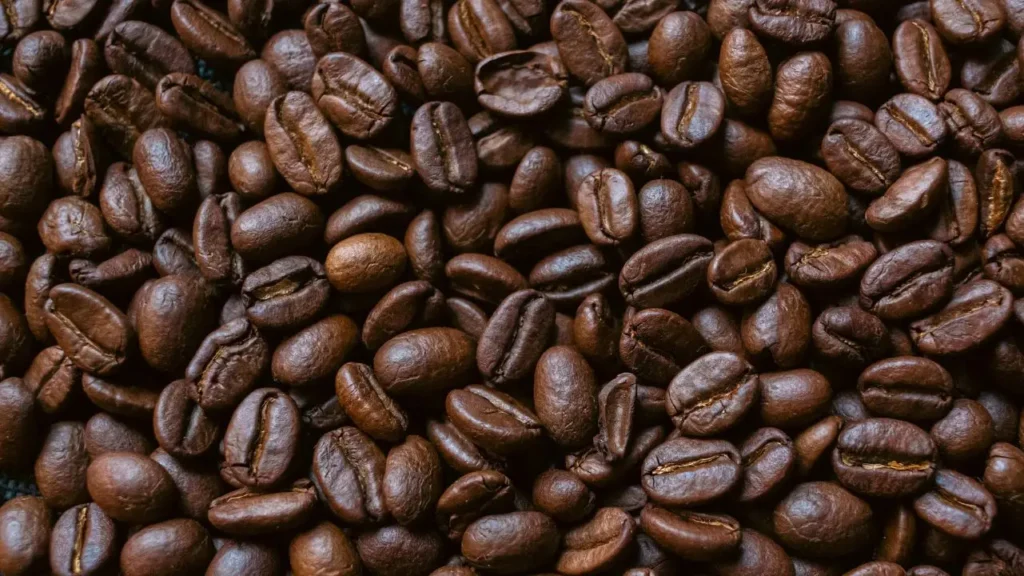
Natural roasted coffee beans are made from green coffee beans that have been processed and roasted without adding butter, sugar, artificial flavorings, or other ingredients intended to alter the beans’ natural characteristics.
As a result, the final flavor is influenced primarily by the coffee variety, growing region, processing method, and roast profile.
The Vietnamese term commonly translated as “natural roast” or “plain roast” is often used to distinguish these beans from coffee roasted with butter, sugar, or added flavorings, which have traditionally been common in some domestic markets.
During natural roasting, the roaster mainly controls temperature, roasting time, and heat development to achieve the desired roast level, ranging from light roast to dark roast.
An important distinction should also be made between natural roasted coffee beans and pure coffee.
“Natural roasted” describes a roasting method in which no flavoring or coating ingredients are added. “Pure coffee,” meanwhile, is generally used to describe coffee made entirely from coffee beans without fillers or substitutes such as corn, soybeans, or other ingredients.
Therefore, a product can be both natural roasted Robusta and pure coffee when coffee beans are its only ingredient.
For further information on international coffee classification and processing standards, you can refer to the International Coffee Organization, which provides resources on global coffee quality and classification.
Why Are Natural Roasted Coffee Beans Becoming More Popular?
Growing interest in natural roasted coffee comes from increasing demand for transparency in raw materials, origin, and flavor characteristics.
For F&B businesses, clearly defined information about coffee variety, roast level, and product specifications also makes it easier to develop consistent beverage recipes.
- Authentic and diverse flavor profiles
Natural roasting allows drinkers to identify the characteristics of different coffee varieties and roast profiles more clearly.
Depending on variety, origin, processing method, and roast level, Arabica may express notes of fruit, flowers, caramel, chocolate, or nuts.
Robusta typically offers a fuller body, stronger bitterness, and higher caffeine content than Arabica.
Without added flavorings, differences in raw material quality and roasting technique are easier to recognize.
- Better transparency for quality control and food safety
For importers, distributors, and F&B businesses, a simpler product formulation can make ingredient verification and raw material specification more straightforward.
However, food quality and safety still need to be evaluated based on factors such as raw material quality, production conditions, storage, testing documentation, and the requirements of each destination market—not solely on whether the coffee is naturally roasted.
- Suitable for the specialty coffee approach
In the specialty coffee segment, roasters generally focus on expressing the characteristics of the coffee bean, growing region, and processing method through an appropriate roast profile rather than using added flavorings.
For this reason, natural roasting is commonly used by specialty coffee shops and brands that want to emphasize ingredient transparency and origin.
How to Choose Natural Roasted Coffee Beans for Vietnamese Phin
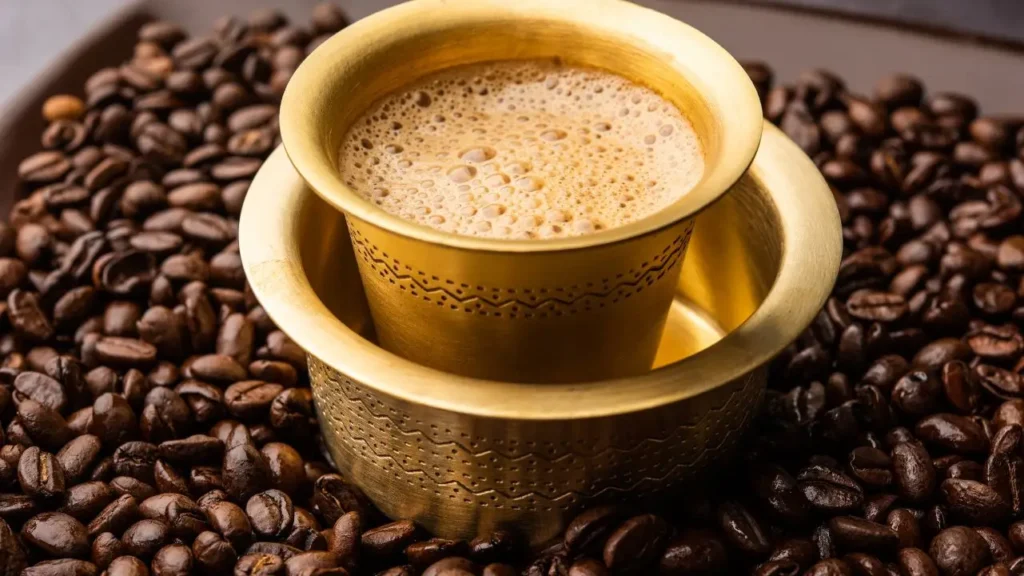
Vietnamese phin brewing traditionally uses Robusta coffee beans or blends of Robusta and Arabica.
Because water passes through the coffee slowly and gradually loses temperature during extraction, the coffee beans and grind size should be selected accordingly.
Suitable Roast Level
For Vietnamese phin coffee, medium to medium-dark roasts are commonly preferred by drinkers who enjoy a fuller body and more noticeable roasted flavors.
However, light-roasted coffee can also be brewed with a phin when the grind size, coffee-to-water ratio, water temperature, and extraction time are properly adjusted.
Therefore, light roast should not automatically be considered unsuitable for phin brewing. The brewing recipe should instead be adjusted according to the characteristics of the coffee beans.
Bean Size and Consistency
When purchasing whole coffee beans for grinding, check the consistency of the roast as well as the proportion of broken or defective beans.
A small amount of breakage may occur during processing or transportation, but an excessive percentage can lead to inconsistent grinding.
For Vietnamese phin coffee, the grind size is typically medium to medium-coarse, although adjustments may be needed depending on the phin design, drip rate, and brewing recipe.
Choosing the Coffee Variety
- Natural roasted Robusta: Full-bodied, strongly bitter, lower in perceived acidity, and higher in caffeine. It works well with traditional Vietnamese coffee preferences and drinks made with condensed milk.
- Robusta–Arabica blend: Offers a balance between body and aroma with a smoother finish. Common ratios include 70% Robusta and 30% Arabica or a 50/50 blend, depending on the desired flavor profile.
- Natural roasted Arabica: Less commonly used on its own for traditional Vietnamese phin coffee because of its lighter body and brighter acidity, but suitable for consumers who prefer a more aromatic and delicate cup.
How to Choose Natural Roasted Coffee Beans for Espresso Machines
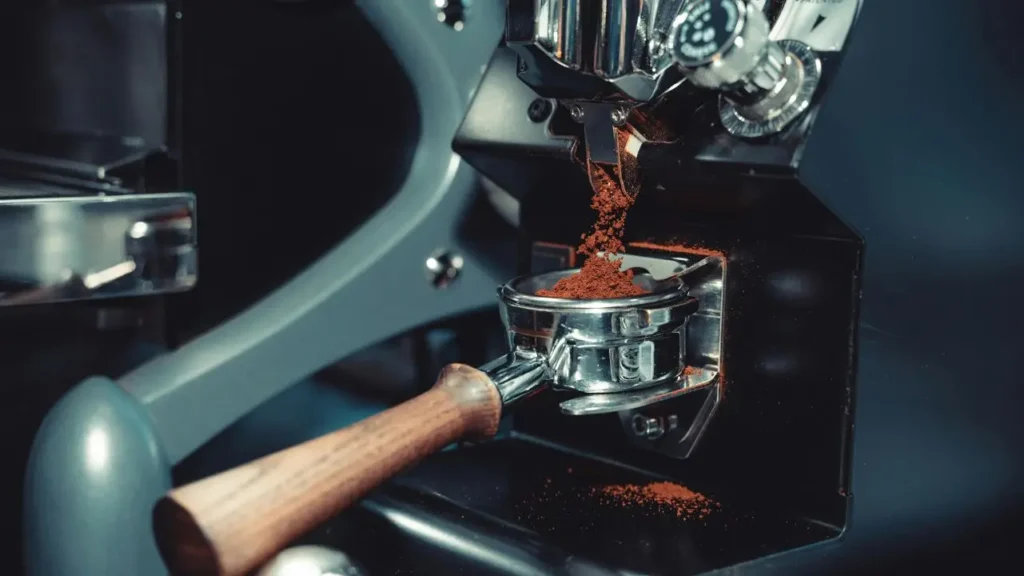
Espresso machines require different coffee characteristics from Vietnamese phin brewing.
High pressure and short extraction times mean that factors such as freshness, roast level, grind size, and blend composition need to be carefully controlled.
Ideal Roast Level for Espresso
For espresso, medium-dark to dark roasts are often selected to reduce perceived acidity, increase roasted flavors, and produce a fuller cup.
However, many specialty coffee baristas use medium-roasted Arabica to preserve fruity aromas and brighter acidity.
The appropriate roast therefore depends on the coffee variety, espresso recipe, and intended beverage menu.
Coffee Freshness After Roasting
Freshly roasted coffee beans generally need time to rest so that excess CO2 can degas before brewing.
For espresso, a common resting period is approximately 7 to 14 days after roasting.
Beans that are extremely fresh may release excessive gas and result in unstable extraction, while coffee that has been stored for a long period may gradually lose aroma and produce less crema.
Crema Formation
Crema is the golden-brown foam that forms on top of an espresso shot and is associated with gases and compounds released during extraction.
Robusta is commonly used in espresso blends because it can contribute to a thicker crema and stronger body.
For this reason, some espresso blends include approximately 10–20% Robusta to increase intensity and crema.
Grind Size and Packaging
For espresso brewing, it is generally preferable to purchase whole coffee beans and grind them immediately before extraction.
Espresso requires a fine grind, although the exact setting should be adjusted according to the espresso machine, grinder, dose, extraction time, and recipe.
Coffee packaging should ideally include a one-way degassing valve, allowing CO2 to escape while helping limit oxygen exposure during storage and transportation.
Quick Comparison: Coffee Beans for Phin vs. Espresso
| Criteria | Vietnamese Phin | Espresso Machine |
|---|---|---|
| Suitable roast level | Flexible, commonly medium to medium-dark | Flexible depending on espresso style and coffee variety |
| Preferred coffee varieties | Robusta, Arabica, or blends depending on preference | Arabica, Robusta, or blends depending on the menu |
| Grind size | Medium to medium-coarse, adjusted to the phin | Fine, adjusted to the machine and recipe |
| Use after roasting | Depends on roast level, packaging, and storage | Degassing period should be considered for each coffee |
| Crema requirement | Not required | Useful for sensory presentation but not the sole indicator of quality |
| Target flavor | Full-bodied, balanced, or aromatic depending on preference | Depends on the espresso recipe, blend, and beverage menu |
How to Identify Quality Natural Roasted Coffee Beans
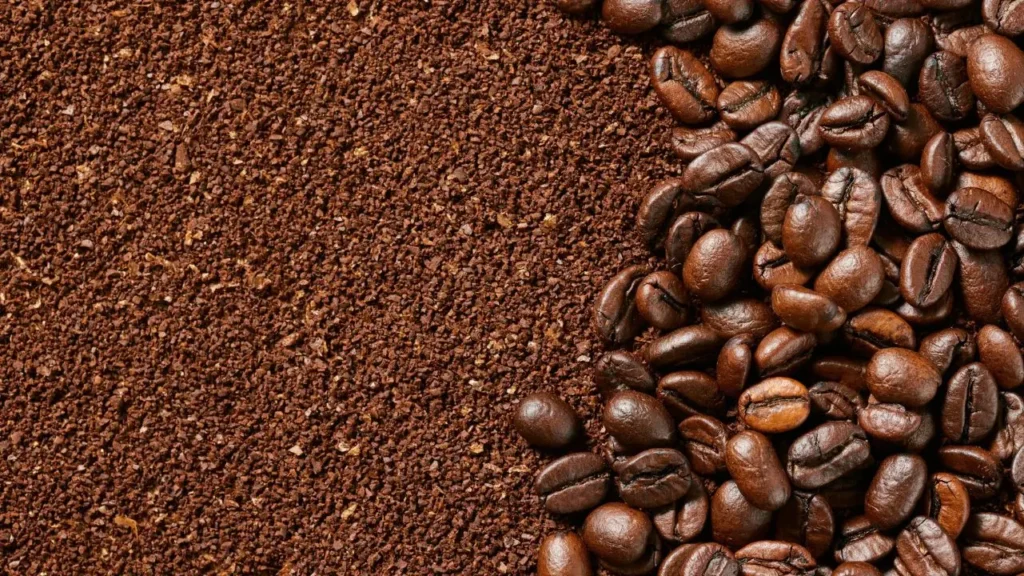
Several factors can help buyers make an initial assessment of natural roasted coffee bean quality:
- Bean surface: Naturally roasted coffee beans generally have a relatively dry surface unless they are roasted very dark. Coffee coated with butter, sugar, or flavoring ingredients may appear unusually glossy.
- Aroma: Natural roasted coffee should have the characteristic aroma of roasted coffee beans, which may include caramel, chocolate, nutty, fruity, or floral notes depending on the variety and roast profile. It should not rely on strong artificial vanilla, butter, or sweet flavoring aromas.
- Uniformity: Quality coffee beans should be relatively consistent in size and roast color, with limited numbers of broken, black, or visibly defective beans.
- Origin information: Reliable coffee suppliers typically provide information about the coffee variety, growing region, processing method, and roasting date. These details are particularly important for importers, distributors, and F&B businesses.
Common Mistakes When Choosing Roasted Coffee Beans
Confusing Dark Roast with Burnt Coffee
Some consumers assume that the darker the roast, the better the coffee.
In reality, excessively dark roasting can overpower many of the coffee’s original flavor characteristics and produce burnt or smoky notes.
A well-developed dark roast should still maintain an appropriate balance rather than simply tasting burnt.
Ignoring the Resting Period After Roasting
Coffee is not necessarily at its best immediately after roasting.
Freshly roasted beans often need time to degas and stabilize before brewing.
For Vietnamese phin coffee, the original guideline in this article suggests approximately 3–5 days of resting, while espresso is commonly allowed around 7–14 days.
Choosing Coffee Based Only on Price
The price of roasted coffee beans depends on factors such as coffee variety, growing region, processing method, quality grade, and roast profile.
Specialty Arabica may cost significantly more than standard Robusta, but a higher price does not automatically make it the right choice for every application.
For example, restaurants or hotels serving traditional Vietnamese iced coffee with condensed milk may prefer a high-quality Robusta or a suitable blend rather than a more expensive Arabica.
Conclusion
Natural roasted coffee beans provide a versatile foundation for both traditional Vietnamese phin coffee and modern espresso beverages.
Choosing the right coffee depends on the variety, roast level, grind size, freshness, and the flavor profile required for the final beverage.
For Vietnamese phin brewing, Robusta and Robusta–Arabica blends are widely used when a fuller body and more intense flavor are desired.
For espresso, businesses can select Arabica, Robusta, or carefully developed blends according to their espresso recipe, beverage menu, and target customer preferences.
VILIFA supplies and exports Vietnamese agricultural products, including natural roasted coffee beans sourced from Vietnam’s Central Highlands.
If your business is looking for a stable coffee bean supply for manufacturing, F&B chains, distribution, or international markets, contact VILIFA to discuss product specifications, supply capacity, and requirements for your target market.
You can also explore other Vietnamese export agricultural products such as IQF Frozen Dragon Fruit or Frozen Mango to expand your product portfolio.