


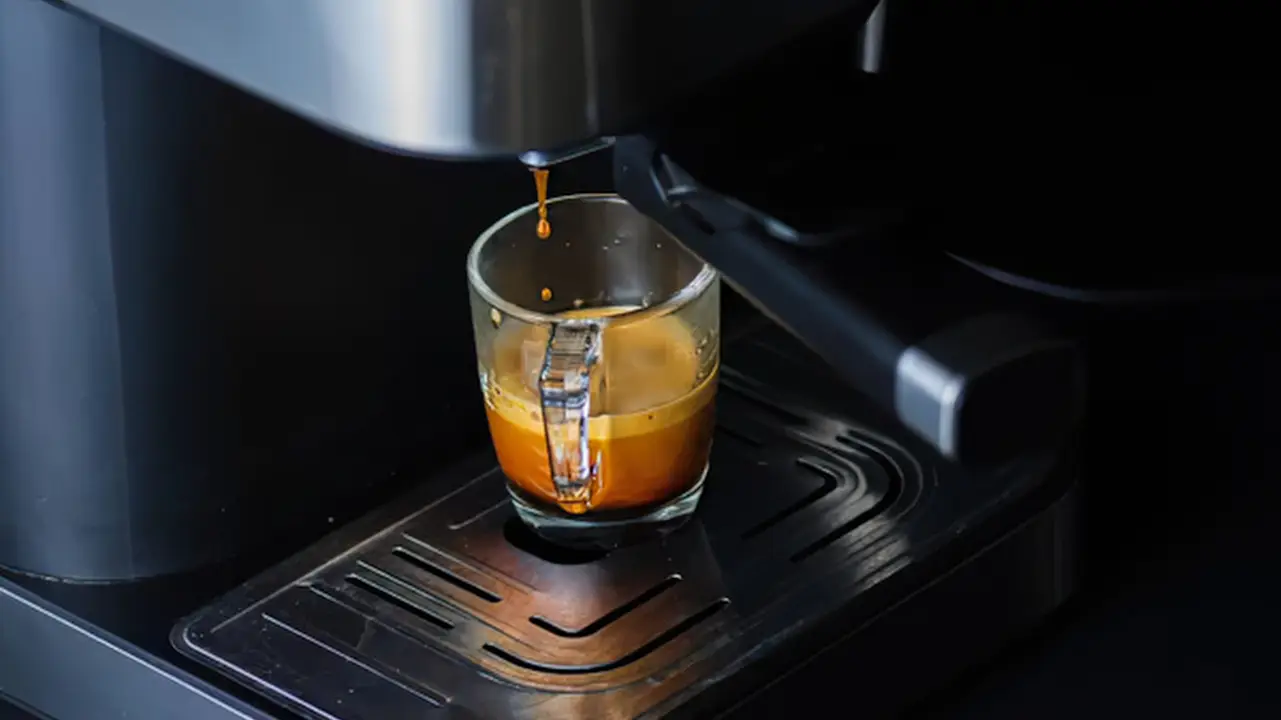

Choosing the right coffee for espresso machines depends on more than simply selecting Arabica or Robusta. The type of beans, roast level, blend ratio, freshness, and brewing conditions can all influence aroma, acidity, bitterness, body, crema, and overall balance.
For those who enjoy a bold and balanced espresso, understanding how an Arabica Robusta blend works can make it easier to select the right beans and develop an espresso flavor profile that suits personal preferences or a café menu.
This guide explains the key factors to consider when choosing coffee beans for espresso machines, along with several blend ratios that can be tested for different espresso styles.
Why Is an Arabica Robusta Blend Important for Espresso?

Espresso machines use pressure to push hot water through finely ground coffee within a relatively short extraction time. Because of this brewing method, bean selection and blend composition have a noticeable effect on the final cup.
Arabica is generally associated with more complex aromas, brighter acidity, and a more delicate finish. Robusta typically contributes stronger bitterness, higher caffeine content, fuller body, and more pronounced crema.
An Arabica Robusta blend combines these different characteristics so that the final espresso can achieve a better balance between aroma, body, intensity, acidity, and bitterness.
For cafés and businesses, an espresso blend can also provide greater flexibility when developing recipes for straight espresso, latte, cappuccino, and other milk-based coffee drinks.
Factors to Consider When Choosing Coffee for Espresso Machines
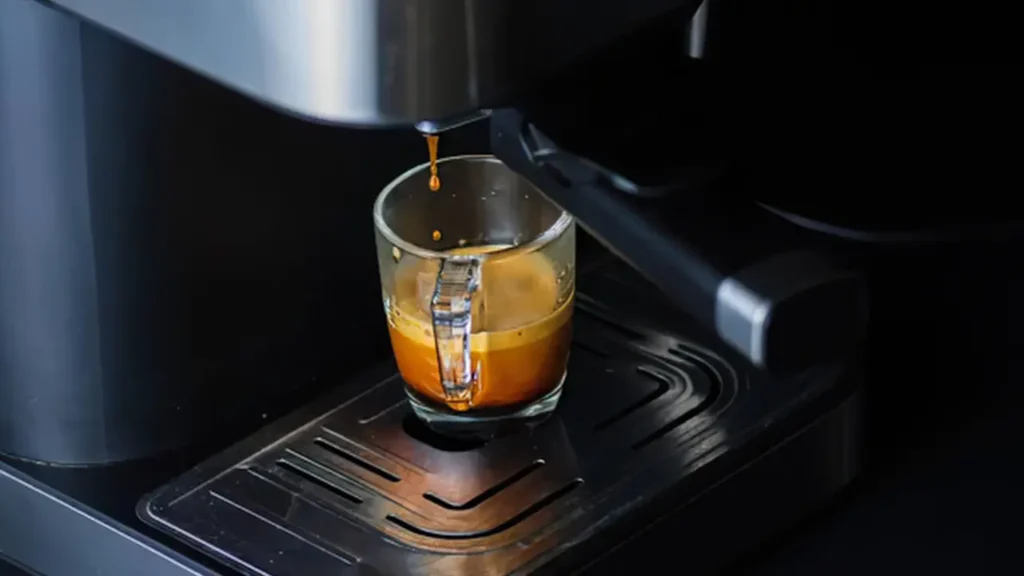
Before deciding on a blend ratio, it is important to consider the quality of the beans and the type of espresso flavor profile you want to create.
Roast Level for Espresso
Roast level has a major influence on the taste of coffee for espresso machines.
Medium to medium-dark roasts are commonly chosen for espresso when the goal is to develop caramel, chocolate, roasted notes, body, and a more pronounced bitterness.
A medium roast may be suitable for those who prefer a brighter cup with more noticeable acidity and fruit characteristics.
A medium-dark roast may be more suitable for an espresso flavor profile that emphasizes body, chocolate notes, caramel sweetness, and lower perceived acidity.
The roast level should also be considered together with the blend ratio. Some roasters choose to roast Arabica and Robusta separately before blending in order to manage their individual characteristics more precisely.
Freshness of Coffee Beans for Espresso Machines
Freshness also affects espresso extraction.
After roasting, coffee gradually releases carbon dioxide. Beans that are extremely fresh may behave differently during extraction, while coffee that has been stored for too long can gradually lose aroma and freshness.
When buying coffee beans for espresso machines, it is useful to check the roast date and select packaging designed to help protect roasted coffee from oxygen and moisture.
For cafés, restaurants, and other businesses, ordering coffee according to actual consumption can help reduce unnecessary long-term storage.
Bean Quality and Grind Consistency
Bean quality also matters when choosing coffee for espresso machines.
Before brewing, check whether the roasted beans are reasonably uniform and free from excessive defects or foreign materials.
After grinding, particle consistency becomes especially important because it influences how evenly water passes through the coffee bed.
A suitable grinder, correct grind adjustment, and consistent dosing all contribute to more stable espresso extraction.
Arabica Robusta Blend Ratios for Different Espresso Styles
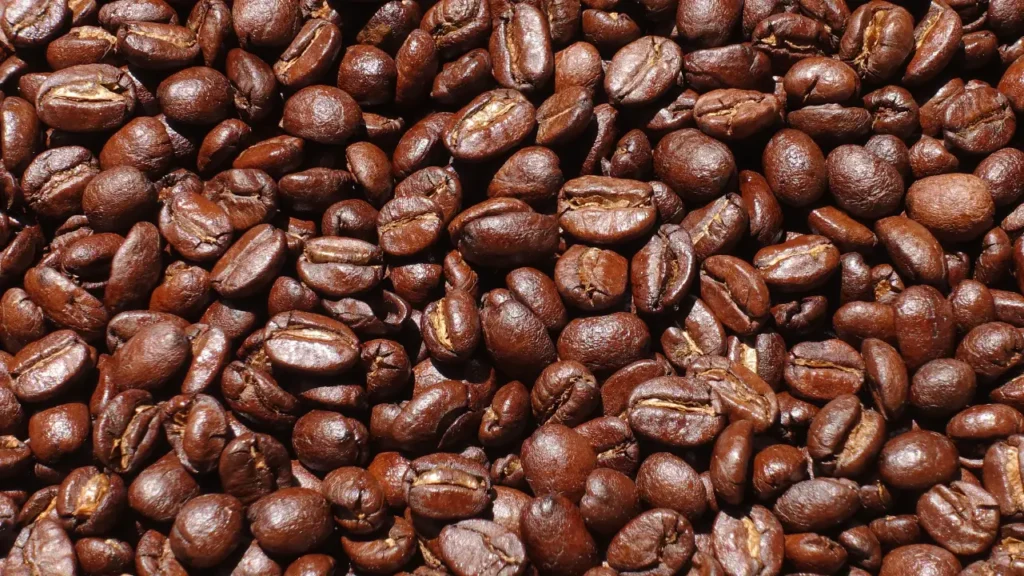
There is no single Arabica Robusta blend ratio that works for every café, machine, or customer.
The right ratio depends on the preferred espresso flavor profile, the drinks being served, the roast level, and the characteristics of the coffee beans themselves.
Arabica-Dominant Espresso Blend
For an espresso with more aromatic complexity, noticeable acidity, and a lighter finish, an espresso blend containing around 70% Arabica or more can be used as a starting point.
The Robusta portion can help add body and strengthen the overall cup.
An Arabica-dominant blend may be suitable for straight espresso as well as lighter milk-based drinks such as latte or cappuccino.
The actual result will still depend on origin, processing method, roast level, grind size, and brewing recipe.
Balanced Arabica Robusta Blend
A 50% Arabica and 50% Robusta blend can be tested when the goal is to create a more balanced espresso.
This ratio combines the aromatic character of Arabica with the stronger body and intensity often associated with Robusta.
For cafés serving a broad range of customers, a balanced espresso blend may work well for both straight espresso and milk-based beverages.
When used with milk, Robusta can help the coffee remain noticeable, while Arabica contributes additional aroma and complexity.
Robusta-Dominant Espresso Blend
For customers who prefer stronger coffee with fuller body and more pronounced bitterness, an Arabica Robusta blend containing 60% Robusta or more can be tested.
This type of espresso blend can be suitable for milk-based coffee drinks where the coffee flavor needs to remain noticeable after milk is added.
The quality and processing method of Robusta should also be considered because they can influence bitterness, aroma, body, and overall cup quality.
How to Evaluate an Espresso Flavor Profile
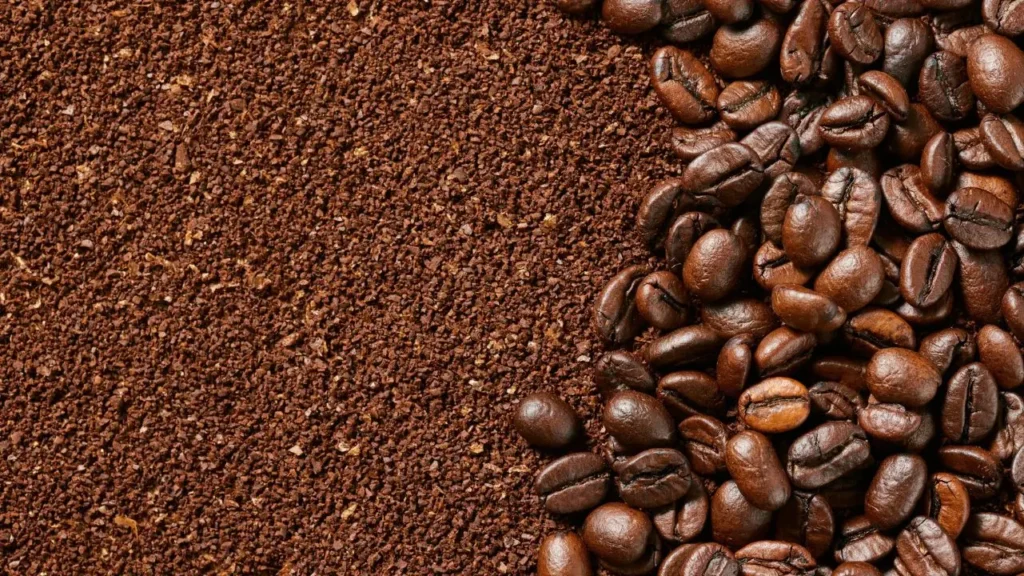
After selecting coffee beans for espresso machines and testing different ratios, the next step is to evaluate the espresso under consistent brewing conditions.
Observe the Crema
Crema is the golden-brown layer that forms on the surface of espresso during extraction.
Its appearance can provide useful information about freshness, roast level, gas content, and extraction conditions.
However, crema should not be the only factor used to judge an espresso flavor profile.
A good evaluation should also consider aroma, acidity, sweetness, bitterness, body, balance, and aftertaste.
Evaluate the Overall Flavor
A balanced espresso flavor profile should bring together acidity, bitterness, sweetness, aroma, and body without allowing one characteristic to dominate the entire cup.
Acidity should feel pleasant rather than excessively sharp.
Bitterness should provide structure without creating an unpleasant dry or harsh finish.
The aftertaste should also be considered because a suitable espresso blend should leave a clean and pleasant impression after drinking.
One useful method is to prepare two different Arabica Robusta blend ratios under the same brewing conditions and taste them side by side.
This makes it easier to identify which ratio is closer to the desired espresso style.
Check Extraction Consistency
Consistency is especially important for cafés and restaurants.
If the same coffee for espresso machines produces very different results from one extraction to another, it may be necessary to review the grind size, coffee dose, water temperature, extraction yield, bean freshness, or blend composition.
A suitable blend should be reasonably easy to dial in and maintain across repeated preparations.
How to Store Coffee Beans for Espresso Machines
Proper storage helps protect roasted coffee from oxygen, moisture, light, and heat.
Coffee beans for espresso machines should be stored in suitable sealed packaging or containers in a cool, dry place away from direct sunlight.
It is also better to grind only the amount of coffee needed for brewing rather than grinding large quantities in advance.
For cafés, dividing coffee into smaller working batches can help reduce repeated exposure to air each time the main package is opened.
Which Arabica Robusta Blend Should You Start With?
There is no universal ratio for every espresso flavor profile.
A practical approach is to start with several basic ratios and compare them under the same brewing conditions:
70% Arabica / 30% Robusta
Suitable for a more aromatic espresso with greater emphasis on Arabica characteristics.
50% Arabica / 50% Robusta
A balanced starting point between aroma, body, bitterness, and intensity.
40% Arabica / 60% Robusta
Suitable for a stronger cup with fuller body and a more pronounced coffee flavor.
These ratios should be treated as starting points rather than fixed formulas. The final result will depend on bean quality, origin, processing, roast level, grinder settings, and brewing parameters.
Conclusion
Choosing the right coffee for espresso machines is a process of balancing bean characteristics, roast level, blend ratio, and brewing conditions.
Arabica can contribute aroma, acidity, and complexity, while Robusta can contribute body, intensity, and crema. By adjusting the Arabica Robusta blend, cafés and coffee drinkers can develop an espresso flavor profile that better suits their preferred taste and menu.
For businesses, cafés, restaurants, or distributors looking for coffee beans for espresso machines, VILIFA can discuss requirements related to bean selection, roast level, blend direction, packaging, expected quantity, and intended use.
Product specifications and supply options can be confirmed according to each specific requirement.