


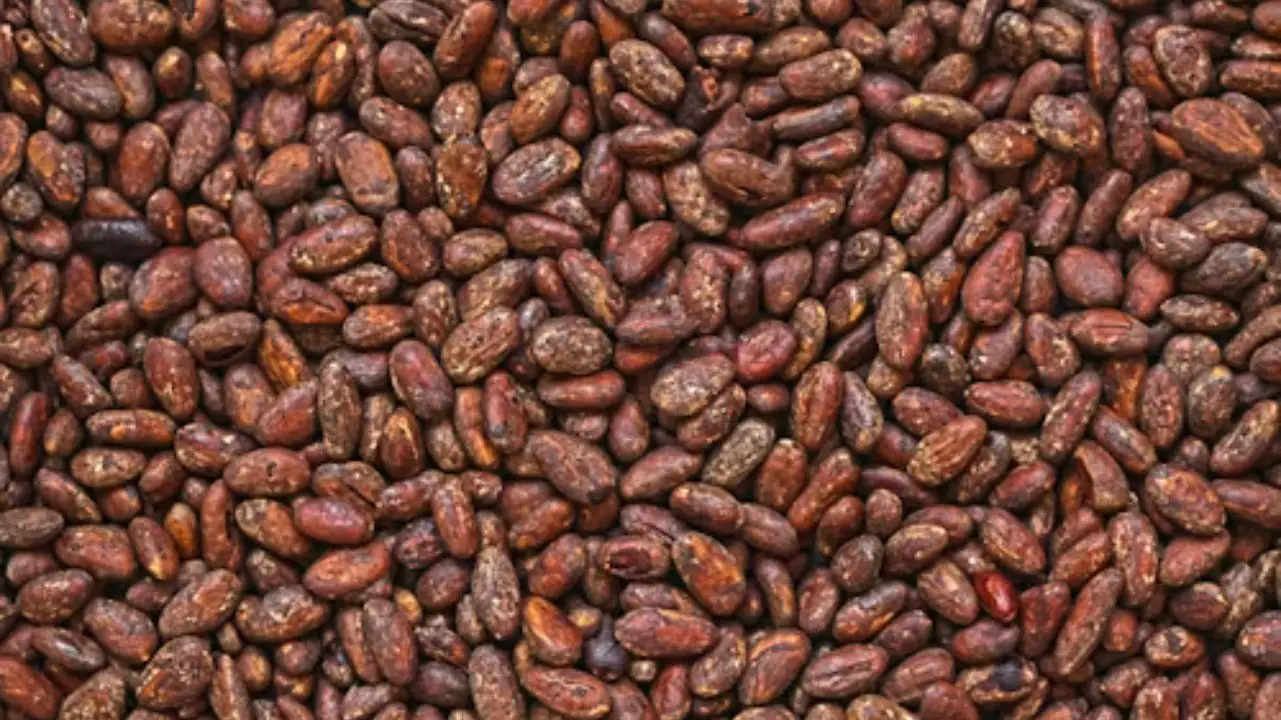

Cacao is a widely used ingredient across the food and beverage industry, from confectionery, chocolate, ice cream, and nutritional beverages to energy products. However, not every business has the resources to invest in its own processing facility, manage raw material quality, and operate a production line designed for commercial or export requirements.
This is why cacao contract manufacturing, cocoa powder production, and private label packaging services have become an attractive option for importers, distributors, and F&B brands. Instead of building a production system from scratch, businesses can work with an existing manufacturing partner, shorten product development time, and focus more resources on branding and distribution.
What Is Cacao Contract Manufacturing?
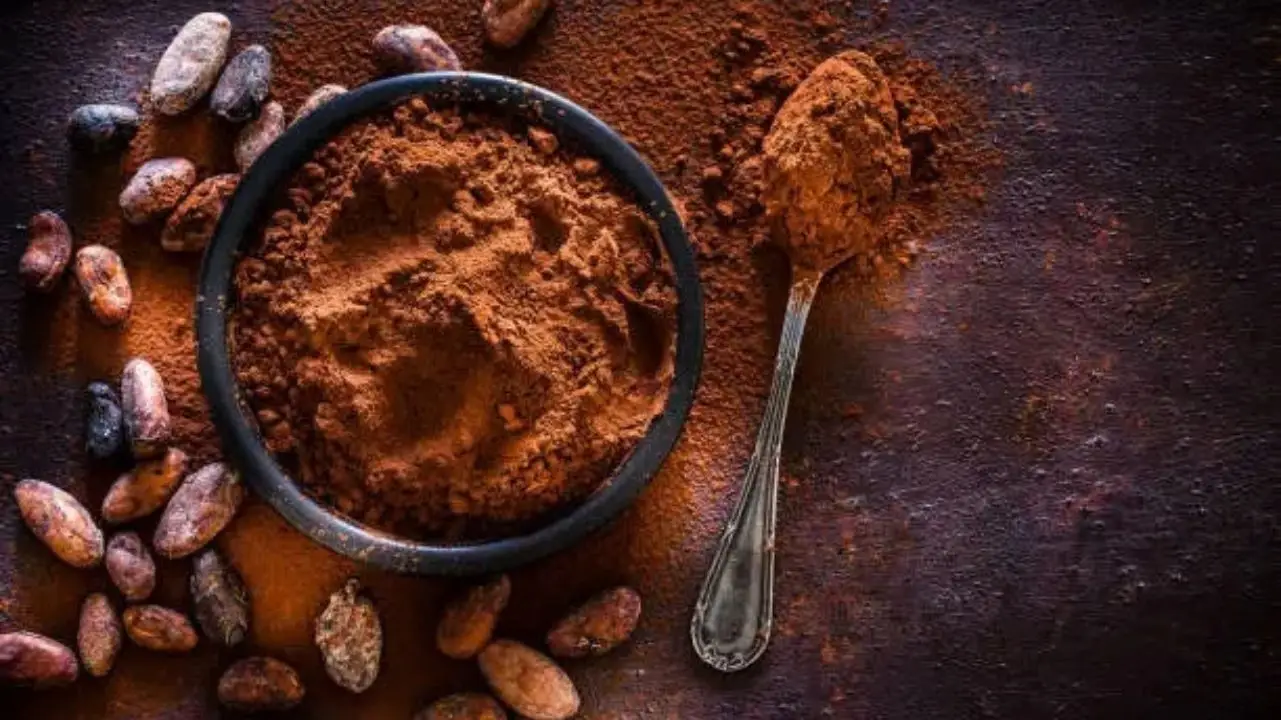
Cacao contract manufacturing is a model in which a business works with a manufacturer to process cacao beans into cocoa powder, chocolate powder, or other cacao-based products according to agreed requirements.
Depending on the project, the manufacturer may handle raw material preparation, production, quality control, and final product packaging.
Businesses can choose different levels of cooperation, from using an existing manufacturer formulation to developing products based on their own proprietary recipes.
A key difference between contract manufacturing and purchasing ready-made products is the degree of customization. Depending on the manufacturer’s capabilities, customers may be able to specify formulation, flavor profile, particle size, fat content, packaging format, and private label requirements.
For this reason, cacao contract manufacturing is not only a production solution but can also become part of a broader product development strategy.
Why Do F&B Businesses Choose Cocoa Powder Contract Manufacturing Instead of In-House Production?
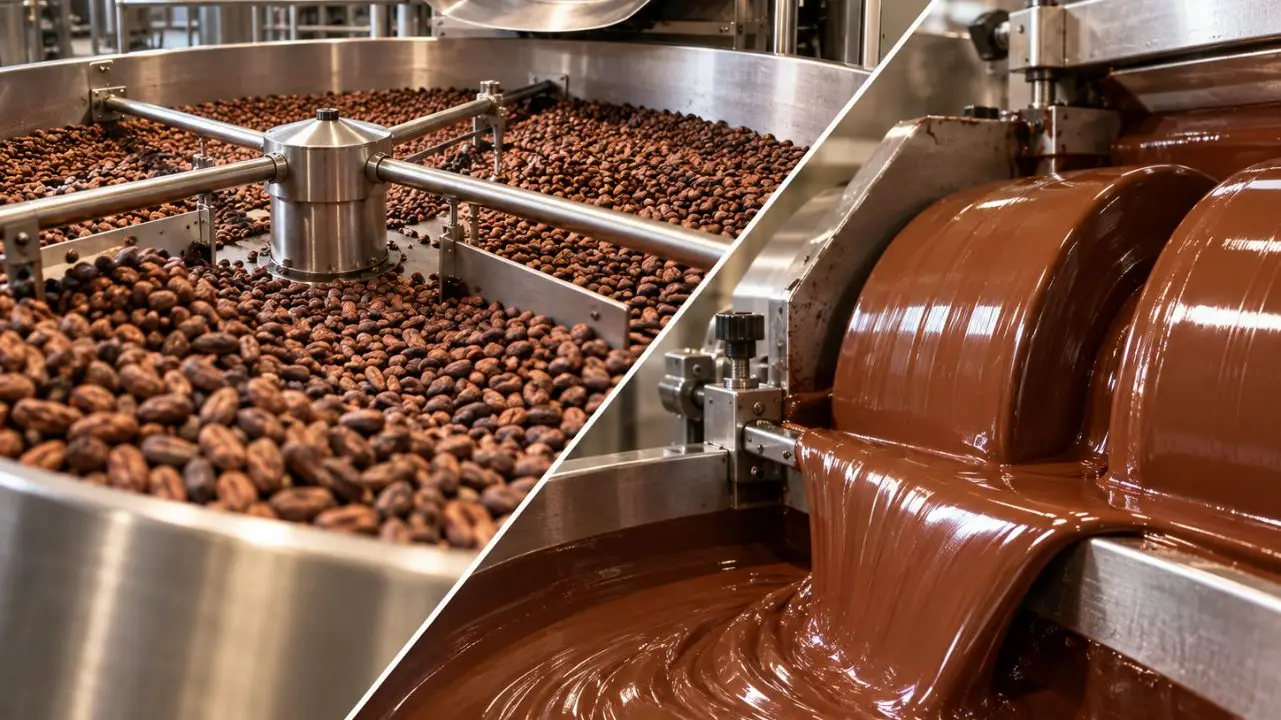
One of the first questions businesses face when developing a cacao product is whether to manufacture in-house or outsource production.
For small and medium-sized companies or brands entering the market, working with an experienced cacao manufacturer may offer greater flexibility in terms of investment, technical capability, and operational risk.
Lower Initial Investment Requirements
A cocoa processing line may require equipment for roasting, grinding, cocoa butter pressing, sieving, powder milling, and quality testing.
Building and operating such a system also involves costs related to production facilities, technical personnel, maintenance, and quality management.
By choosing cocoa powder contract manufacturing, businesses can outsource production according to their order requirements instead of investing in an entire facility from the beginning. This can provide greater financial flexibility during product testing and market-entry stages.
Access to Processing Expertise and Technology
Specialized cacao manufacturers may have experience managing technical factors such as roasting conditions, particle size, cocoa butter content, and other parameters that influence the characteristics of the finished product.
Rather than developing all processing expertise internally, businesses can work with a manufacturing partner that already has relevant production capabilities.
Faster Product Development
Building a new manufacturing facility requires time for planning, equipment installation, commissioning, regulatory preparation, and production testing.
Working with an established manufacturer can shorten the development process, although actual lead times depend on formulation complexity, packaging requirements, testing, and the production schedule.
For F&B brands operating in fast-moving markets, a more flexible product-development cycle can make it easier to test new concepts and respond to market demand.
Common Cacao Contract Manufacturing Models

Depending on company size, brand positioning, and R&D capabilities, businesses may choose different cooperation models.
Manufacturing Based on an Existing Formula
This is often the simplest approach.
The manufacturer provides an existing cocoa powder or chocolate powder formulation, while the customer selects the product option, packaging format, and branding requirements.
This model can reduce development time and may be suitable for businesses that do not have an in-house R&D team.
However, products based on standard formulations may share similar characteristics with products supplied to other customers.
Custom Formula Manufacturing (OEM)
For businesses that want stronger product differentiation, a customized formulation may be more appropriate.
The customer can provide specific requirements related to flavor, cocoa butter content, alkalization, particle size, or additional ingredients.
Depending on the manufacturer’s capabilities, both parties may work together on sample development, adjustment, sensory evaluation, and formulation standardization before commercial production.
Custom development usually requires more time than selecting an existing formulation, but it can help a brand create a more distinctive product.
Private Label Cacao Packaging
Private label cacao refers to products manufactured and packaged under the customer’s own brand.
Instead of purchasing generic products and applying labels later, a private label project can include packaging design, printing, labeling, and final packing as part of the manufacturing process.
This model may suit coffee chains, specialty food retailers, distributors, and brands looking to expand their product portfolio without setting up their own production line.
Cocoa Powder Manufacturing and Private Label Packaging Process
Understanding the manufacturing process helps businesses plan timelines, prepare product requirements, and establish quality expectations.
Step 1: Requirement Discussion and Product Consultation
The customer provides information about the target market, customer segment, desired product characteristics, packaging format, and expected order volume.
The manufacturing partner can then discuss suitable cocoa products, formulation options, quality requirements, and related production considerations.
Step 2: Sample Development and Formula Adjustment
Based on the agreed requirements, samples may be developed for customer evaluation.
Depending on the project, several rounds of adjustment may be needed to achieve the desired flavor, color, particle size, or other sensory characteristics.
For export-oriented products, testing requirements may also include microbiological parameters, heavy metals, pesticide residues, or other criteria required by the target market.
Step 3: Packaging and Label Finalization
The customer may provide existing artwork or work with the packaging team to finalize the design.
Required information such as ingredients, nutrition facts, shelf-life information, barcodes, storage instructions, and responsible-party information should be reviewed according to the regulations of the destination market.
Step 4: Contract Confirmation and Production
Once samples and specifications are approved, both parties confirm commercial terms such as order volume, production schedule, quality criteria, and payment conditions.
Production then proceeds according to the agreed formulation and packaging specifications.
Step 5: Quality Inspection and Delivery
Finished products may be sampled and tested according to agreed quality requirements before release.
Customers may also request independent third-party testing when appropriate.
Once the order is approved, goods are packed and prepared for delivery to the customer’s warehouse or export destination.
Key Criteria When Choosing a Cacao Manufacturing Partner
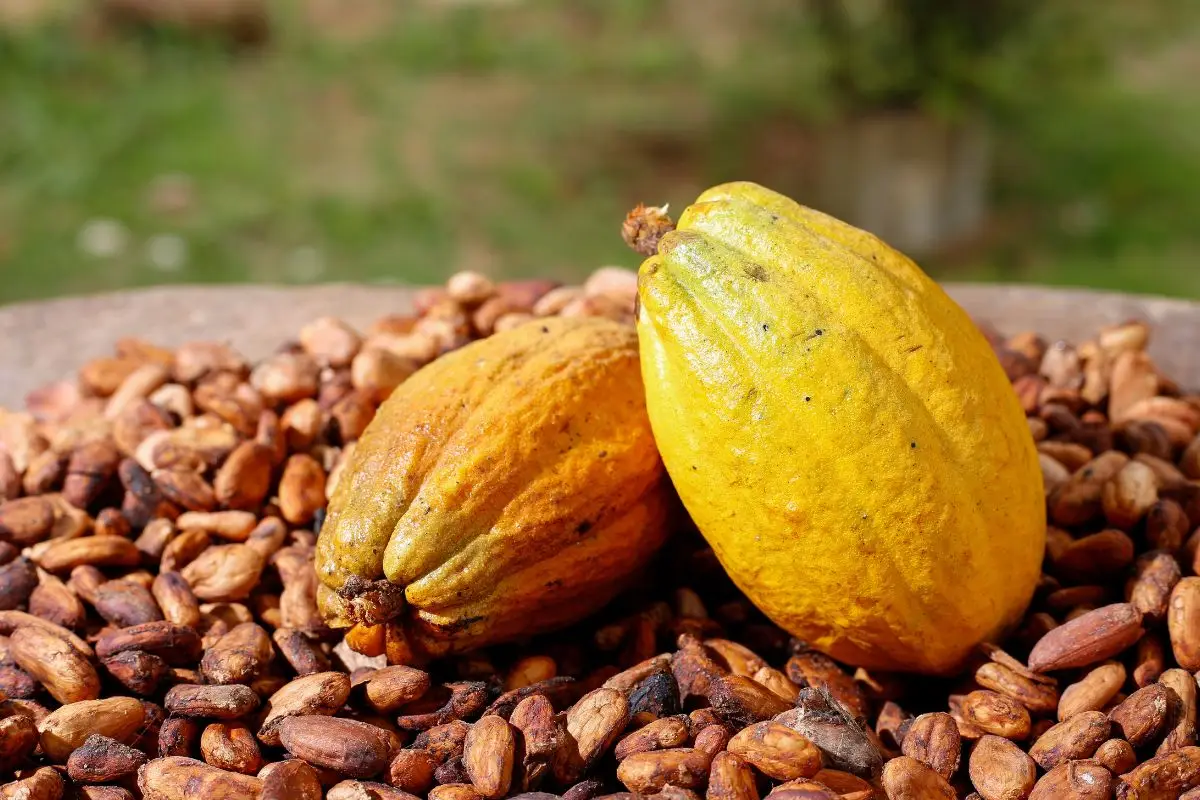
Not every manufacturer is suitable for every project.
Businesses should evaluate potential partners carefully to reduce risks related to quality, delivery schedules, and unexpected costs.
Cacao Raw Material Sourcing
The quality of cocoa powder is influenced by the quality and characteristics of the cacao beans used.
Businesses should understand where the manufacturer sources its cacao and how raw materials are managed and controlled.
When origin is important to the product positioning, sourcing and traceability requirements should be discussed before production begins.
Manufacturing Capability and Processing Technology
Production capacity, equipment, technical expertise, and operational experience influence a manufacturer’s ability to handle order volumes and maintain consistency between batches.
Businesses may request relevant capability documents or arrange a facility assessment when necessary.
Food Safety and Quality Management
For export products, food-safety requirements vary depending on the destination market and product category.
Businesses should determine the applicable requirements before selecting a manufacturing partner.
International food standards and cacao-related guidance published by the Codex Alimentarius Commission (FAO/WHO) can also serve as useful reference material for companies involved in international trade.
Formula Ownership and Confidentiality
When a project involves a proprietary formulation, confidentiality and ownership should be clearly defined in the manufacturing agreement.
The contract should specify how the formula may be used and whether the manufacturer is restricted from sharing or applying it to projects for other customers.
Lead Time and Minimum Order Requirements
Minimum order quantities and production lead times vary between manufacturers.
Businesses should compare their actual demand, inventory capacity, sales cycle, and purchasing plan before committing to an order quantity.
Common Cacao Products for Contract Manufacturing
Depending on the target market and product concept, businesses may consider different cacao-based product formats.
Pure Cocoa Powder
Cocoa powder is generally produced by processing cacao material and removing a portion of the cocoa butter before the remaining cocoa solids are ground into powder.
It is widely used in bakery products, beverages, confectionery, and other food applications requiring a recognizable cocoa flavor.
Alkalized Cocoa Powder
Alkalized cocoa powder undergoes an alkalization process that can modify acidity, color, and flavor characteristics.
It is commonly used in beverages, biscuits, bakery products, and formulations where a darker cocoa color or specific sensory profile is desired.
Instant Chocolate Powder
Instant chocolate powder is typically formulated using cocoa powder together with sugar, milk powder, or other ingredients depending on the recipe.
It can be developed as a consumer-ready beverage product for brands looking to launch their own instant chocolate drink line.
Cocoa Butter and Higher-Fat Cocoa Products
Cocoa butter is an important ingredient in chocolate, confectionery, and other applications.
Depending on the manufacturing partner, projects may also involve cocoa butter separation, bulk packaging, or other cacao-derived ingredients.
What Determines Cacao Contract Manufacturing Costs?
The cost of cacao contract manufacturing varies according to the requirements of each project.
Businesses should understand the main cost drivers before requesting a quotation.
Factors That May Affect Pricing
- Type and origin of cacao raw materials.
- Complexity of the formulation.
- Number of sample-development rounds.
- Packaging format and packaging material.
- Private label printing requirements.
- Order volume and purchasing frequency.
- Testing, documentation, or market-specific requirements.
How Businesses Can Optimize Costs
Businesses can reduce unnecessary costs by finalizing the formulation early, limiting repeated packaging-design changes, and forecasting demand as accurately as possible.
Choosing a manufacturing partner whose capabilities match the scale and technical requirements of the project can also reduce the risk of changing suppliers during product development.
Legal and Labeling Requirements for Private Label Cacao Products
Private label cacao products must comply with the labeling regulations applicable in the market where they are sold.
Required information may include product name, ingredients, net weight, production or expiry information, storage instructions, and details of the responsible company.
For export markets, requirements may differ significantly in terms of language, measurement units, allergen declarations, nutrition information, additives, and other mandatory labeling elements.
Businesses should verify these requirements according to the destination market before finalizing packaging.
Quality Control in Cacao Contract Manufacturing
Quality control is essential for maintaining consistency between production batches.
A typical quality-management process may include raw material inspection, production monitoring, finished-product sampling, and retention samples for future reference.
Businesses should agree in advance on relevant sensory, physicochemical, and microbiological criteria.
Maintaining batch records and retained samples can also support traceability and complaint investigation when needed.
Common Mistakes in Cacao Contract Manufacturing
Businesses working with a contract manufacturer for the first time may encounter issues related to formulation, packaging, specifications, or production planning.
Common problems include:
- Failing to define acceptance criteria before production.
- Changing packaging artwork after printing has started.
- Not checking labeling requirements for the target market.
- Ordering more inventory than the business can realistically sell.
- Failing to include clear confidentiality provisions for proprietary formulas.
These risks can be reduced by working with a manufacturer that has a clear process, transparent commercial terms, and documented product specifications.
Cacao Market Trends and Opportunities for Private Label Brands
Interest in differentiated cacao products continues to create opportunities for F&B brands, particularly for products positioned around traceability, reduced sugar, origin, or specific product characteristics.
Working with a cacao manufacturing partner can allow brands to test different product concepts, collect market feedback, and expand their portfolio once demand has been validated.
For new and growing brands, this can provide a more flexible approach than investing immediately in a dedicated manufacturing facility.
Frequently Asked Questions About Cacao Contract Manufacturing
What Is the Minimum Order Quantity for Cacao Contract Manufacturing?
Minimum order quantities depend on the manufacturer, product type, formulation complexity, and packaging requirements.
Some manufacturers may accommodate smaller trial orders, while larger production facilities may require higher volumes to optimize production efficiency.
How Long Does Production Take?
Lead time depends on whether a custom formulation is required, the sample-approval process, packaging preparation, production scheduling, and order size.
Businesses should allow additional time when several rounds of product development are required.
Can a Business Own Its Custom Formula?
Formula ownership depends on the agreement between the customer and the manufacturer.
If ownership is important, the contract should clearly address intellectual property rights, confidentiality, and restrictions on the use of the formula for third parties.
Is Cacao Contract Manufacturing Suitable for New Businesses?
It can be a practical option for new brands that want to test the market without immediately investing in a complete production facility.
The appropriate model depends on the minimum order requirement, product-development needs, available budget, and the capabilities of the manufacturing partner.
Conclusion
Cacao contract manufacturing can help F&B businesses develop products under their own brand without building a complete production facility from the beginning.
Successful cooperation depends on clearly defining product specifications, quality requirements, packaging, labeling, intellectual property terms, and commercial conditions before production starts.
For businesses developing cocoa powder, chocolate powder, or private label cacao products, choosing a manufacturing partner with suitable capabilities and a transparent working process can support more efficient product development and market entry.