




No added sugar soft-dried mango is becoming a familiar choice among consumers who are more health-conscious and looking for a fruit-based snack alternative to conventional confectionery.
However, many people still wonder whether this product is genuinely a better option or simply another sweet snack presented under a healthier image.
This article takes a closer look at its nutritional characteristics, how to identify a quality product, and the key criteria consumers should consider when choosing soft-dried mango. It also provides practical information for importers, distributors, and F&B businesses looking for a stable supply of processed mango products.
What Is No Added Sugar Soft-Dried Mango?
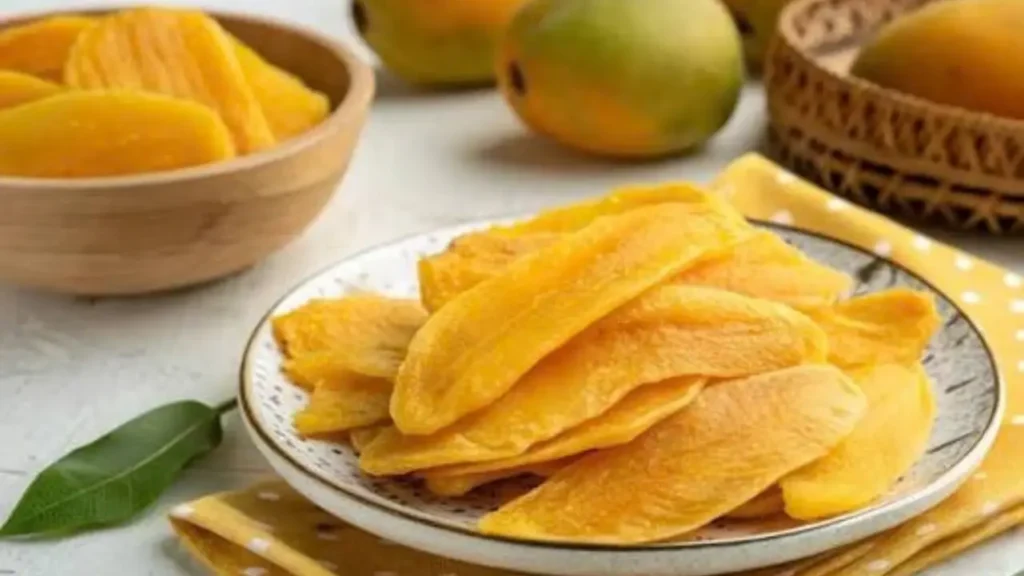
No added sugar dried mango is made from fresh mangoes that are processed to reduce moisture while retaining the naturally soft and chewy texture of the fruit.
The key difference compared with conventional sweetened dried mango is that no refined sugar, sugar syrup, or artificial sweetener is added during processing.
In today’s market, the term “healthy soft-dried mango” is often used for products that meet several criteria, such as:
- Carefully selected raw materials
- No added sugar
- Minimal use of additives
This category is attracting increasing attention in the healthy snack segment, especially in markets such as the EU, Japan, South Korea, and North America.
It is important to note that no added sugar soft-dried mango is still a processed fruit product rather than a functional food. Consumers should therefore understand its role correctly and include it in their diet in appropriate portions.
Is No Added Sugar Soft-Dried Mango Good for You?
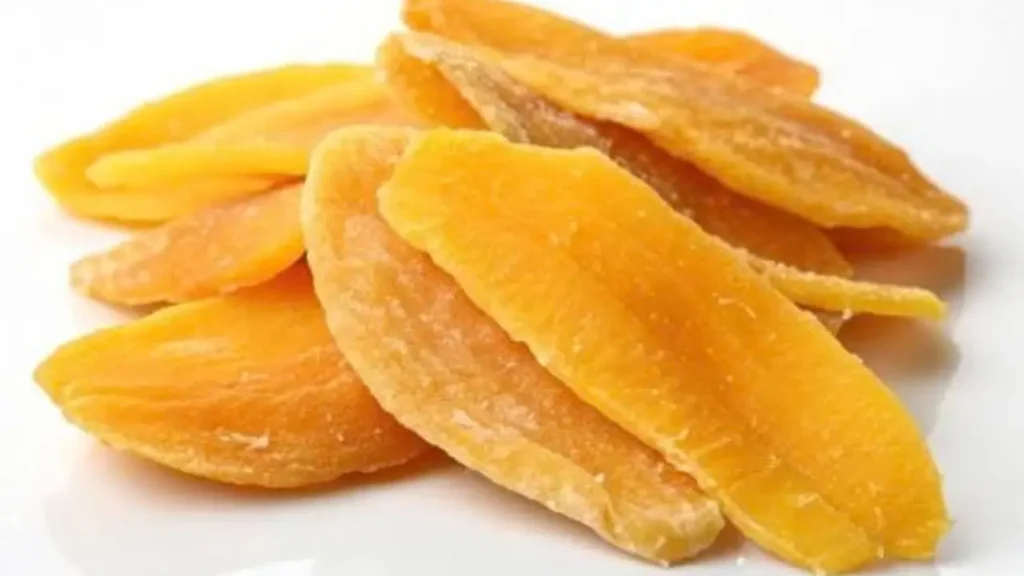
The short answer is yes, provided that the product is made under proper processing conditions and consumed in reasonable portions.
However, “healthy” should be understood in comparison with certain highly processed snack products rather than as a claim that the product can provide therapeutic or medical benefits.
Notable Nutritional Characteristics
Mango naturally contains nutrients such as vitamin C, vitamin A precursors such as beta-carotene, dietary fiber, and various naturally occurring plant compounds.
When no sugar is added during processing, the product avoids the additional refined sugar commonly found in conventional sweetened dried mango.
Some notable characteristics include:
- Higher fiber content than many confectionery products
- No added refined sugar when the product is genuinely formulated that way
- Naturally sweet and slightly tangy mango flavor
- Convenient for storage and transportation
- Suitable for office snacks, travel, or portion-controlled snacking
For consumers who are trying to reduce their intake of added sugar, no added sugar dried mango may be a more suitable option than heavily sweetened snacks.
However, portion control remains important because unsweetened dried mango still contains naturally occurring sugars and calories.
For children, the product should be served in an age-appropriate form and cut into smaller pieces when necessary.
Common Misunderstandings to Avoid
One of the most common misunderstandings is that “no added sugar” means “sugar-free” or “zero calories.”
Fresh mango naturally contains fructose, glucose, and sucrose. During drying, water is removed, which makes the naturally occurring sugars more concentrated by weight.
As a result, no added sugar soft-dried mango still tastes sweet and still provides energy.
It should therefore be considered a fruit-based snack option rather than a complete replacement for fresh fruit.
Another misconception is that a product with no added sugar will taste bland or unappealing.
When ripe mangoes with good natural sweetness and aroma are used, the finished product can still provide an enjoyable sweet-tart flavor without the need for additional sugar.
How to Tell No Added Sugar Soft-Dried Mango from Sweetened Soft-Dried Mango

There are many different soft-dried mango products on the market, so consumers should not rely only on product appearance.
The most reliable approach is to check the ingredient list, product specification, and labeling information.
| Criteria | No Added Sugar Soft-Dried Mango | Sweetened Soft-Dried Mango |
|---|---|---|
| Color | Natural yellow to golden-orange, with some variation between pieces | Often more uniform depending on processing |
| Flavor | Naturally sweet and slightly tangy, with a recognizable mango aroma | Usually sweeter because of added sugar or syrup |
| Texture | Soft and chewy, sometimes slightly firm depending on moisture level | May be softer or stickier depending on added syrup |
| Ingredients | Mango, with any permitted processing aids clearly declared | Mango, sugar or syrup, and other declared ingredients depending on formulation |
For commercial buyers, technical specifications and ingredient declarations are more reliable than visual inspection alone.
How to Choose Quality No Added Sugar Soft-Dried Mango
For Individual Consumers
When purchasing 500g packs or other retail formats, consumers should consider:
- Clear information about product origin and manufacturer
- Properly sealed packaging
- Clearly stated shelf life and storage conditions
- Transparent ingredient declaration
- Relevant food safety information
- Customer feedback on texture, flavor, and overall quality
A practical approach is to purchase a smaller pack first before buying in larger quantities.
This allows consumers to evaluate whether the sweetness, chewiness, and mango flavor match their preferences.
You can also compare different specifications of unsweetened dried mango before making a purchase decision.
For Importers and F&B Businesses
For commercial buyers, supplier evaluation should be more technical and comprehensive.
Important criteria include:
- Production process and traceability: Suppliers should be able to provide information about raw material sourcing, processing methods, and food safety controls.
- Moisture content: This parameter directly affects texture, shelf stability, and transportation performance.
- Residue compliance: Products for export should comply with pesticide residue, heavy metal, and microbiological requirements applicable to the destination market.
- Batch consistency: Color, texture, flavor, broken-piece ratio, and moisture should remain reasonably consistent between production lots.
- Product specifications: Buyers should request clear information on ingredients, moisture level, cut size, packing format, and storage conditions.
- Testing and documentation: Independent test reports and relevant food safety documentation should be reviewed before entering into long-term purchasing agreements.
Requesting samples before placing commercial orders is also recommended, particularly for private-label, retail, or distribution projects.
Why Choose Soft-Dried Mango from Vietnam?
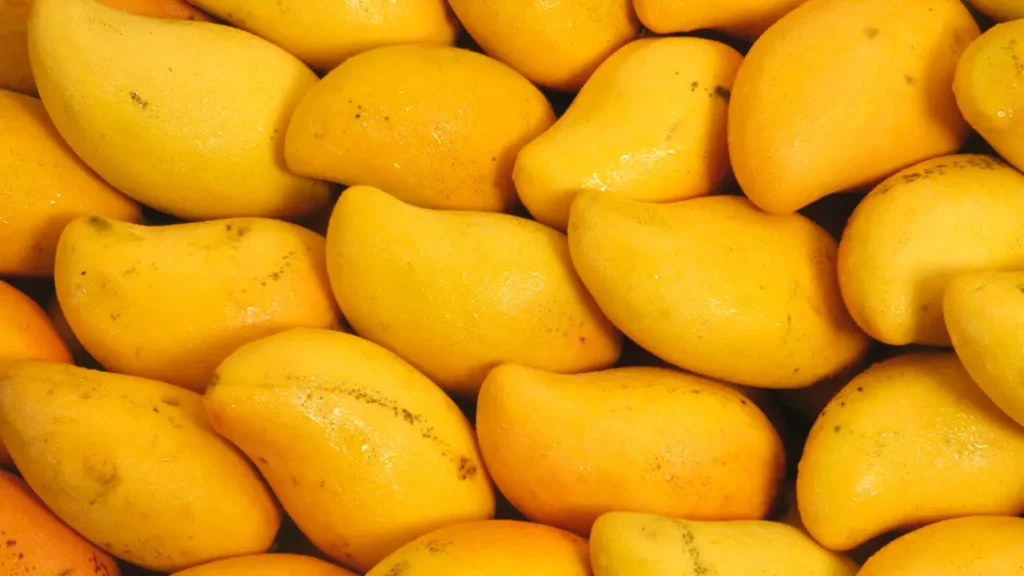
Vietnam is one of Southeast Asia’s important mango-producing countries, with major growing areas including Đồng Tháp, Tiền Giang, Sơn La, and Khánh Hòa.
Vietnamese mangoes are known for their tropical aroma, natural sweetness, and availability from different production regions and harvesting seasons.
For international buyers, Vietnamese soft-dried mango may offer several commercial advantages:
- Competitive sourcing opportunities
- Access to established mango-growing regions
- Processing capacity for commercial-scale orders
- Growing capabilities in processed fruit and value-added agricultural products
- Potential for retail, foodservice, and private-label development
However, product quality can vary significantly between suppliers.
Importers should therefore evaluate suppliers based on production capability, traceability, certifications, quality control systems, and the ability to maintain consistent product specifications.
For broader information on international food safety requirements, buyers can refer to the Food and Agriculture Organization of the United Nations (FAO).
How to Store and Use No Added Sugar Soft-Dried Mango
Although soft-dried mango contains less moisture than fresh fruit, proper storage is still important for maintaining product quality.
Recommended practices include:
- Reseal the package tightly after opening
- Store in a cool and dry place
- Avoid direct sunlight and excessive humidity
- Follow the storage instructions stated on the packaging
- Check the product before consumption if it has been stored for an extended period
In hot and humid climates, refrigerated storage may be appropriate after opening, depending on the manufacturer’s instructions.
No added sugar soft-dried mango can be enjoyed directly or used in different applications, including:
- Yogurt toppings
- Breakfast cereals
- Granola
- Snack mixes
- Fruit bowls
- Bakery products
- Gift sets
Its naturally concentrated mango flavor makes it suitable both as a standalone snack and as an ingredient in other food products.
Frequently Asked Questions About No Added Sugar Soft-Dried Mango
How Many Calories Are in No Added Sugar Soft-Dried Mango?
The calorie content varies depending on the mango variety, remaining moisture level, and processing method.
Because dried fruit contains much less water than fresh fruit, calories and naturally occurring sugars are more concentrated by weight.
For accurate nutritional values, consumers and buyers should refer to the nutrition facts panel or the supplier’s product specification.
Can People with Diabetes Eat No Added Sugar Soft-Dried Mango?
“No added sugar” does not mean that the product contains no sugar.
Unsweetened dried mango naturally contains carbohydrates and sugars, which become more concentrated after drying.
People who need to manage their blood glucose should consider portion size and follow the advice of their healthcare professional or dietitian.
How Long Can No Added Sugar Soft-Dried Mango Be Stored?
Shelf life depends on several factors, including:
- Moisture content
- Packaging material
- Oxygen exposure
- Storage temperature
- Processing method
- Use of permitted preservatives, where applicable
Commercial products may therefore have different shelf-life specifications.
Consumers and buyers should follow the manufacturer’s stated shelf life and storage instructions rather than assume that one standard period applies to all products.
Conclusion
No added sugar soft-dried mango can be a convenient fruit-based snack for consumers who want to reduce their intake of added sugar.
However, product quality depends on several factors, including raw materials, processing conditions, moisture control, packaging, and storage.
For individual consumers, checking the ingredient list and choosing products from transparent suppliers are important steps.
For importers, distributors, and F&B businesses, supplier evaluation should go further and include:
- Product specifications
- Food safety documentation
- Batch consistency
- Packaging capability
- Traceability
- Long-term supply capacity
For businesses looking for a soft-dried mango supplier for distribution, retail chains, or food manufacturing, sourcing decisions should consider not only product quality but also packaging formats and the supplier’s ability to maintain stable supply.
These are also important factors when evaluating a soft-dried fruit manufacturer for long-term cooperation.
VILIFA supplies processed Vietnamese agricultural products and can provide product information, technical documentation, packing options, and quotations according to the requirements of different markets.
Businesses interested in sourcing soft-dried mango for retail, distribution, private label, or food applications can contact the VILIFA team to discuss product specifications, sample requests, packaging options, and commercial requirements.