


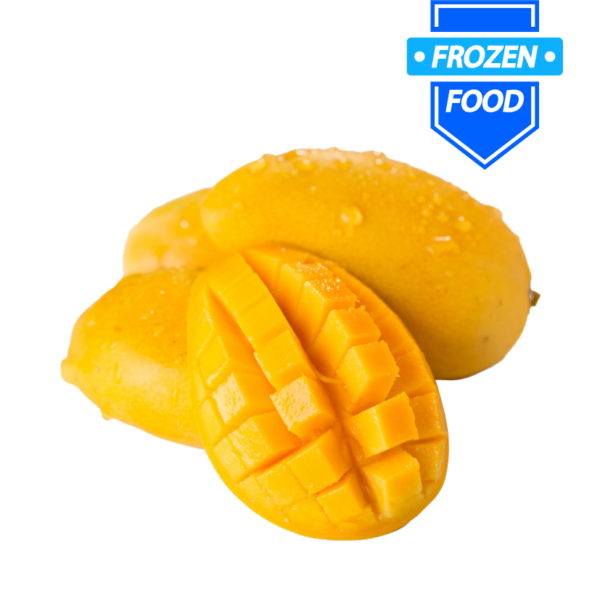

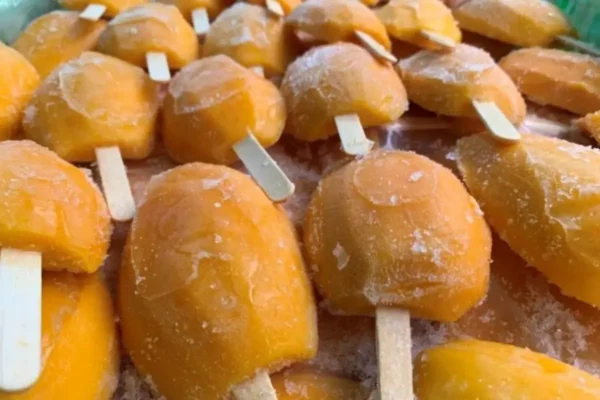
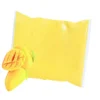

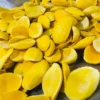

Frozen mango is a convenient ingredient choice for food businesses, beverage shops, restaurants, hotels, and exporters that need a stable year-round mango supply. Instead of depending entirely on the fresh mango season, frozen mango helps maintain the color, flavor, and quality of the raw material for a longer period.
At VILIFA, frozen mango is selected from suitable raw materials, pre-processed, and quick-frozen to meet the needs of B2B production, processing, and trade. The product can be used for smoothies, juices, fruit tea, ice cream, cakes, yogurt, toppings, puree, and other processed food products.
What Is Frozen Mango?
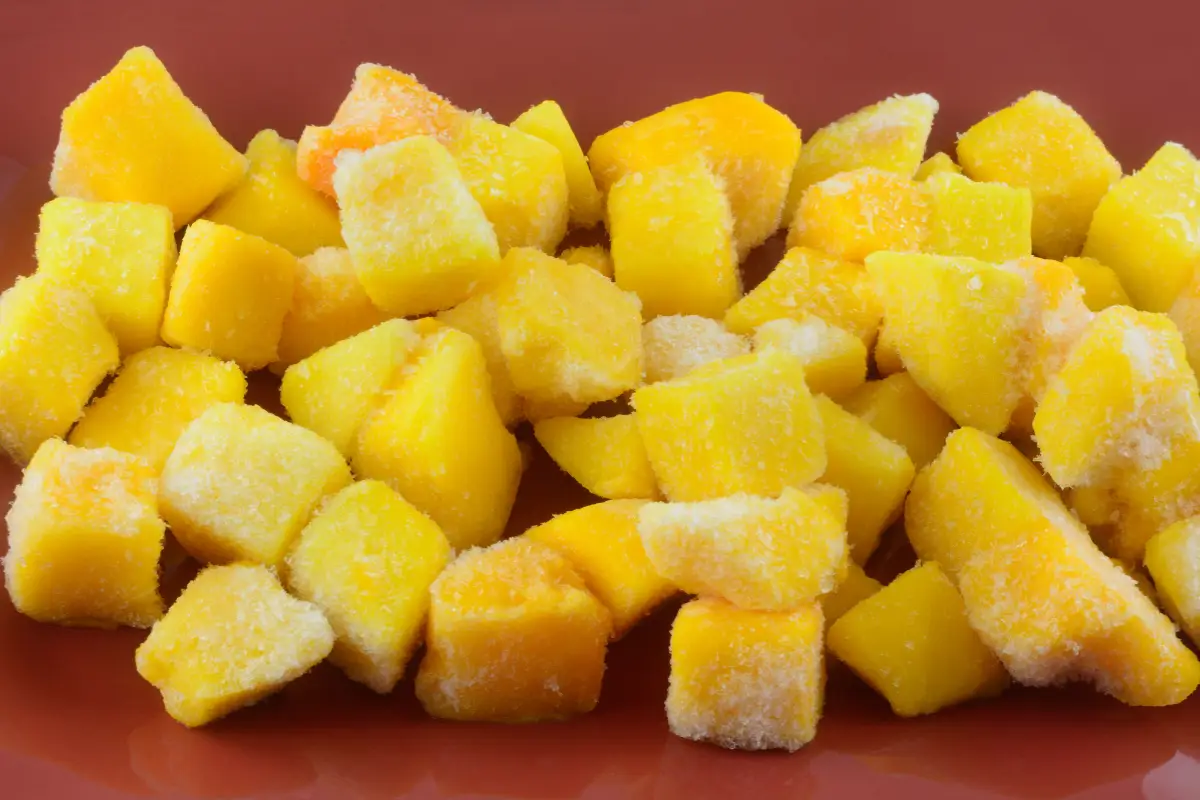
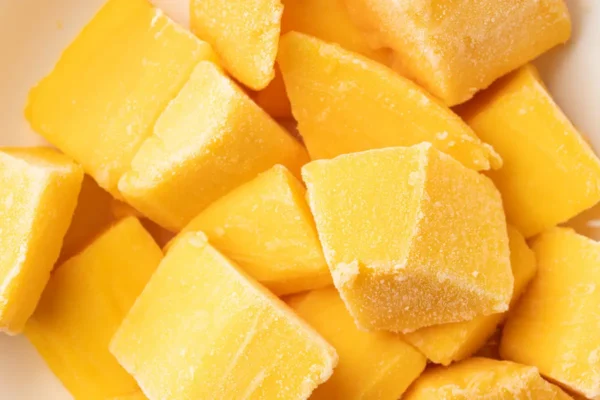
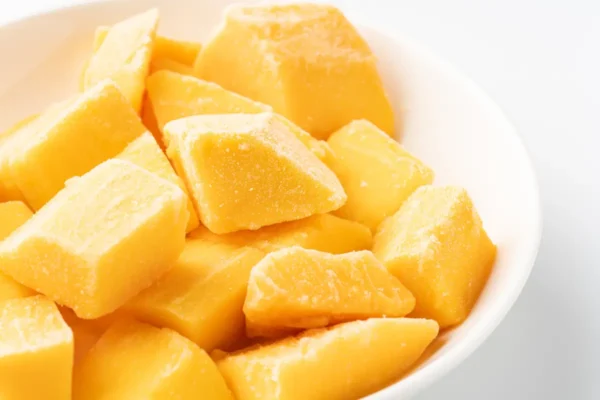
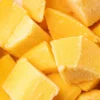
IQF frozen mango is a product in the frozen fruit category. It is processed from fresh mangoes that are pre-processed, cut or pureed, and then rapidly frozen using IQF technology (Individual Quick Freezing). This technology allows individual mango dice or portions to be frozen separately without sticking together, making portioning and use in production more convenient.
With two main formats — frozen mango dice and frozen mango puree — the product can be flexibly used in many different recipes, from smoothies, ice cream, and cakes to sauces and packaged foods. It is particularly popular among wholesalers, food factories, and export partners looking for a stable mango supply from Vietnam.
Unlike fresh mangoes, which can only be stored for a relatively short period, frozen mango can be kept for longer when stored at the appropriate temperature. It is a suitable solution for businesses that need stable, easy-to-portion, and convenient ingredients for production.
Characteristics of IQF Frozen Mango
When evaluating the quality of IQF frozen mango, B2B buyers commonly consider the following sensory and technical characteristics:
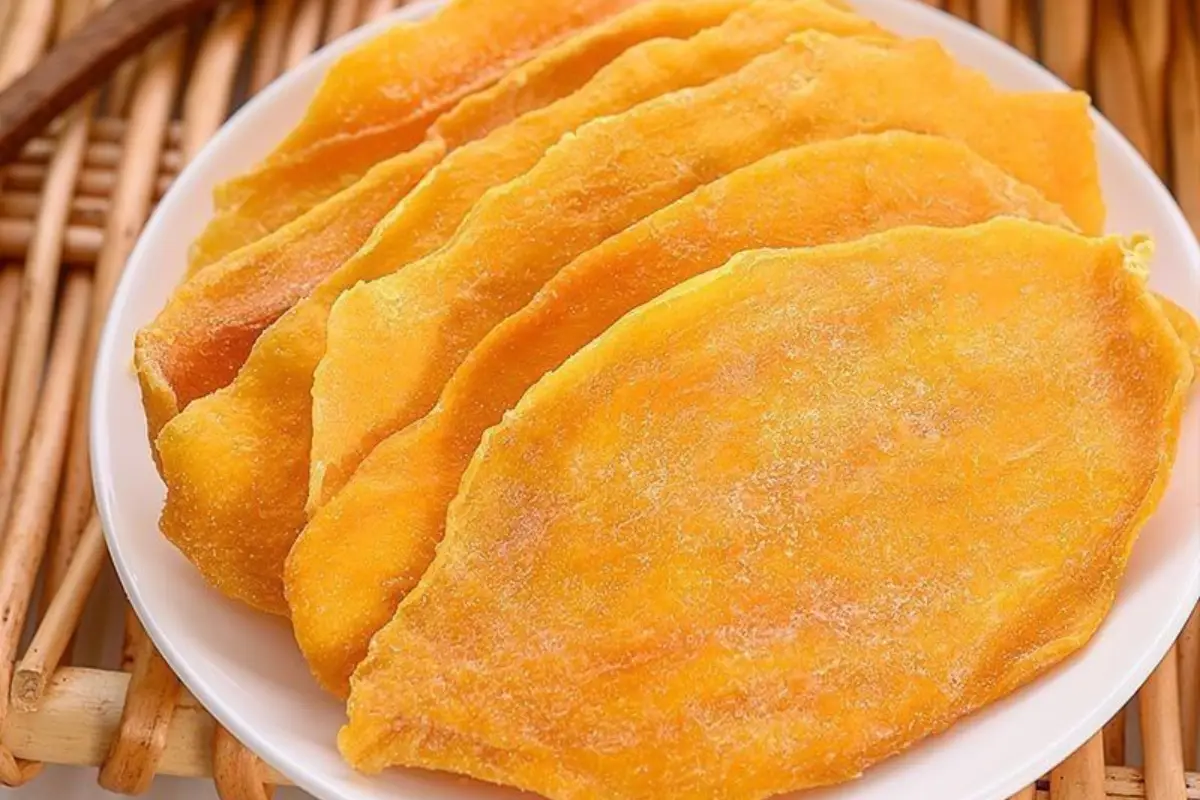
- Color: High-quality IQF mango has the characteristic yellow color of the mango variety used, ranging from light yellow to deep orange-yellow. Consistent color among mango dice or between puree batches indicates good control of raw-material ripeness and processing conditions.
- Flavor: The product retains the natural sweetness of ripe mango, sometimes with a mild tartness depending on the variety. After thawing, the flavor should remain close to that of fresh mango, without any unusual taste or signs of fermentation.
- Aroma: The characteristic aroma of ripe mango is an important factor, particularly for applications such as smoothies, ice cream, and beverages.
- Texture: After thawing, mango dice should retain a certain level of firmness without becoming excessively soft or releasing too much water. Texture depends on the mango variety, ripeness at harvest, and freezing technology. Mango puree should have a smooth, uniform consistency without significant separation or large ice crystals.
- Uniformity: For diced products, cube size should be relatively consistent within the agreed tolerance. The proportion of broken pieces, fragments, or pieces outside the required dimensions is an important technical criterion.
- Storage capability: When maintained under a stable cold chain, the product can be stored for an extended period without significant deterioration in quality. However, any interruption in the cold chain may affect color, texture, and flavor.
- Convenience: IQF mango dice are individually frozen, allowing users to take only the required amount while keeping the remaining product frozen in the package. Puree can be packed in quantities suitable for specific production batches, reducing manual portioning.
Benefits of Frozen Mango for Businesses
Using frozen mango provides many benefits for both food-processing factories and food-service businesses.
- Year-round ingredient availability: Businesses can maintain stable production plans without depending entirely on the fresh mango harvest season.
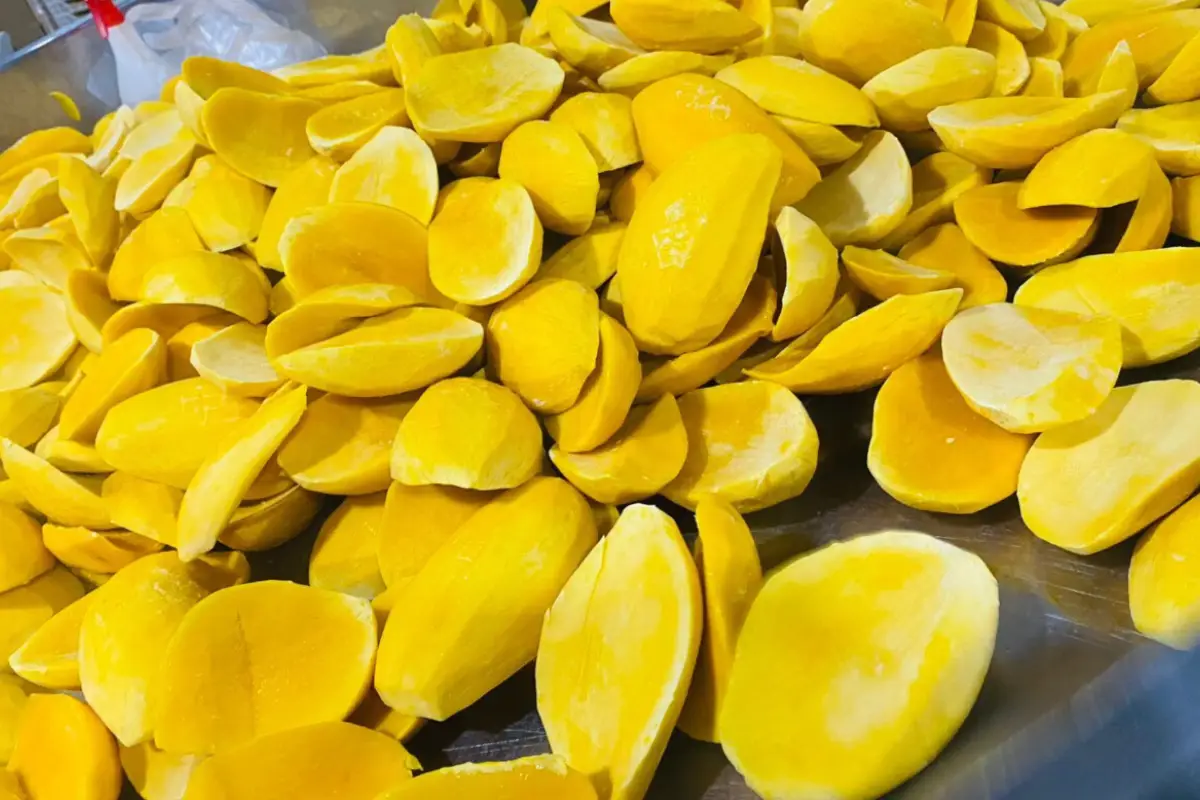
- Reduced preparation time: The product has already been cleaned, peeled, deseeded, cut, or pureed according to specifications, helping reduce ingredient preparation time.
- Reduced raw-material waste: Fresh mangoes may ripen quickly, soften, or spoil during storage. Using frozen products can help businesses reduce some raw-material losses.
- Easy portion control: Products are cut or packaged according to specific specifications, making it easier to control recipes, portions, and ingredient costs.
- Suitable for long-distance supply chains: When stored and transported under proper cold-chain conditions, frozen mango can be supplied to customers in many different regions.
IQF Frozen Mango Processing Technology
IQF (Individual Quick Freezing) is a method of rapidly freezing individual pieces or portions of a product separately. Because of the rapid freezing speed, smaller ice crystals are formed, which helps limit their impact on the structure of the fruit flesh.
IQF technology freezes each mango piece individually instead of allowing the product to freeze into one large block. With IQF frozen mango, businesses can easily take the exact amount of ingredients required, making weighing, mixing, and production recipe control more convenient. When properly stored, the product may also help reduce excessive softening after thawing.
However, the quality of frozen mango depends not only on freezing technology but also on raw-material ripeness, post-harvest handling time, pre-processing procedures, cold-storage conditions, and the transportation cold chain.
Common Types of IQF Frozen Mango on the Market
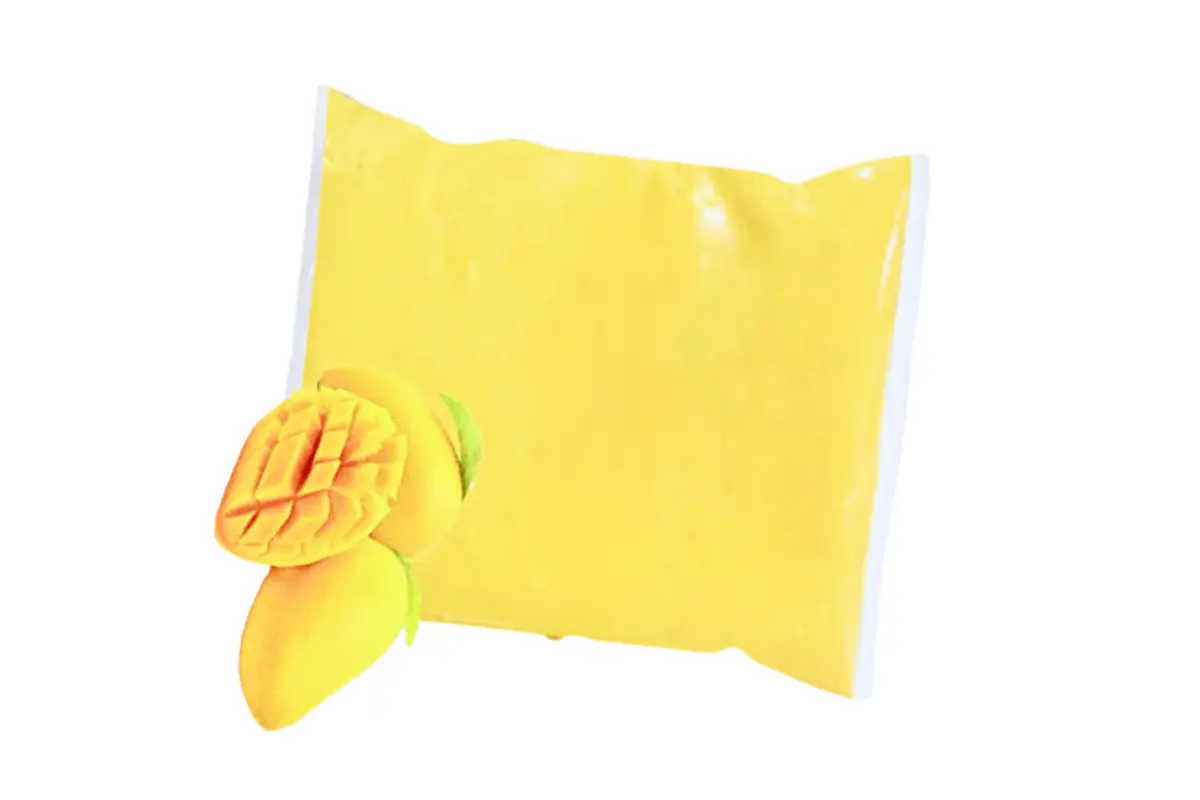
Depending on the intended use, customers can choose from different frozen mango formats. Below are some of the most common formats in the frozen fruit ingredient industry.
Classification by Finished Product Form
- IQF Mango Dice: Mango is cut into uniform cubes, commonly in sizes such as 10×10 mm, 15×15 mm, or 20×20 mm. This is one of the most popular formats for smoothies, toppings, yogurt, and bakery fillings.
- IQF Mango Puree: Smoothly pureed mango that can be packed in blocks or bags. Suitable for producing juices, ice cream, fruit sauces, and packaged foods.
- IQF Mango Chunks: Larger pieces than dice, commonly used for premium desserts or direct food preparation.
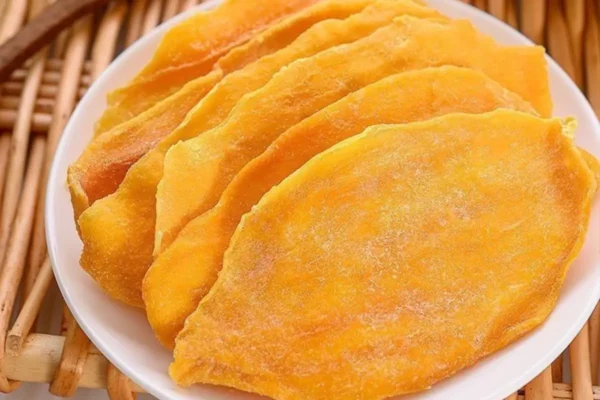
- IQF Mango Slices: Sliced mango suitable for cake decoration, cocktails, and certain specialized culinary applications.
Classification by Mango Variety
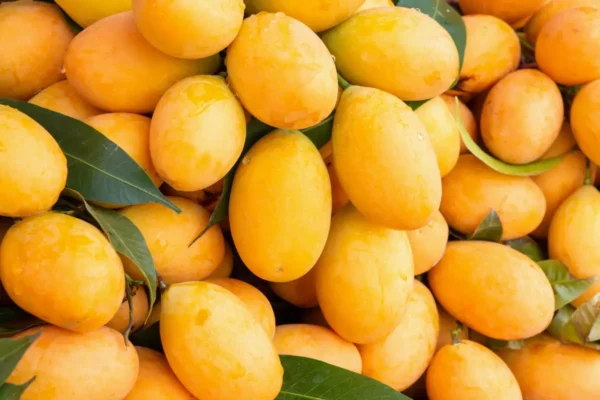
Mango variety directly affects the color, flavor, and sweetness of the frozen product. Some common varieties used in industrial processing in Vietnam include:
- Cat Chu Mango: Deep yellow flesh, rich sweetness, and a strong aroma. Commonly used for puree and export-quality mango dice.
- Cat Hoa Loc Mango: High-quality variety with mild sweetness, soft and chewy flesh, and low fiber content, commonly used for premium products.
- Keo Mango: Balanced sweet-and-tart flavor with firmer flesh, suitable for applications requiring mild acidity such as sauces and beverages.
- Tuong Mango: Large fruit size, thick flesh, and high processing yield, suitable for large-scale industrial mango dice production.
- Thai Mango: Attractive color, with firmness and sweetness depending on the stage of ripeness.
Specific requirements regarding mango variety, cut size, and packaging format should be agreed directly with the supplier according to each order and target market.
Quality-Controlled Frozen Mango Production Process
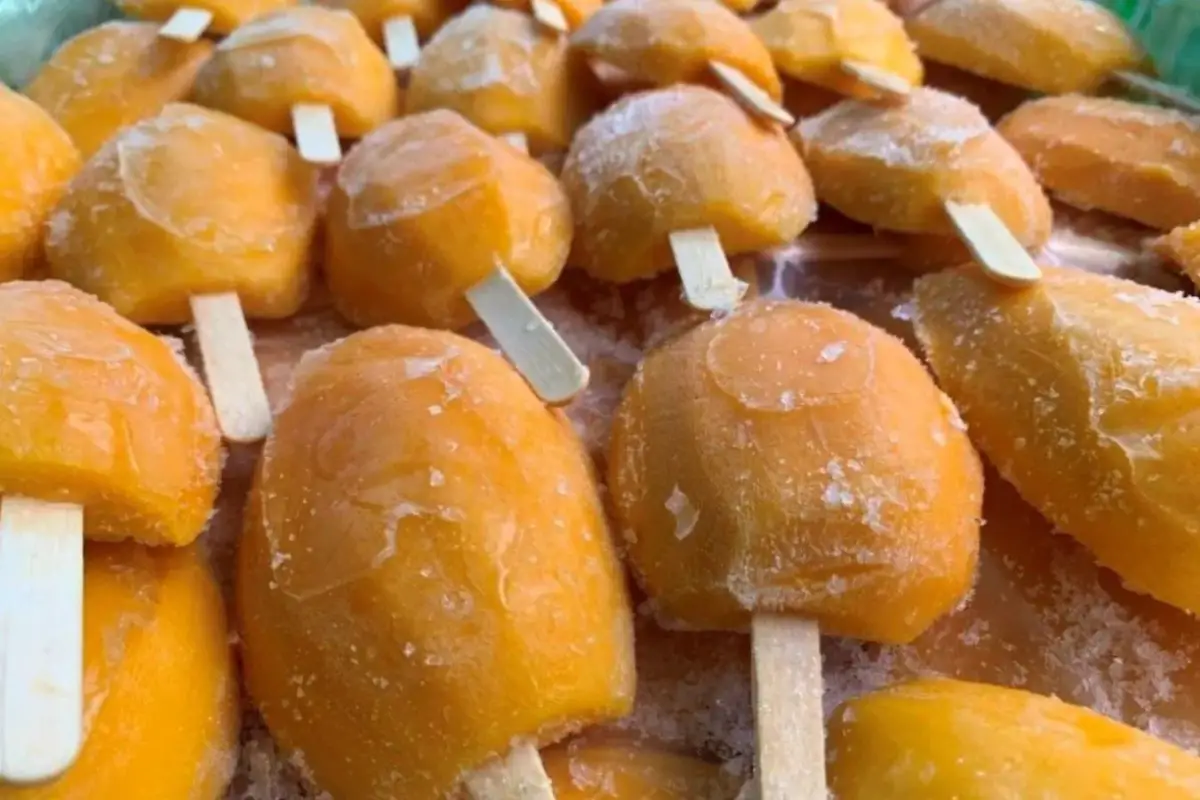
To produce frozen mango with good flavor, attractive color, and food safety, the production process needs to be controlled from raw-material selection through packaging.
- Raw material selection: Mangoes are selected based on ripeness, color, aroma, and peel condition. Mangoes that are too unripe may lack sweetness, while overripe fruit may become too soft, release excessive liquid, and lose its shape after freezing.
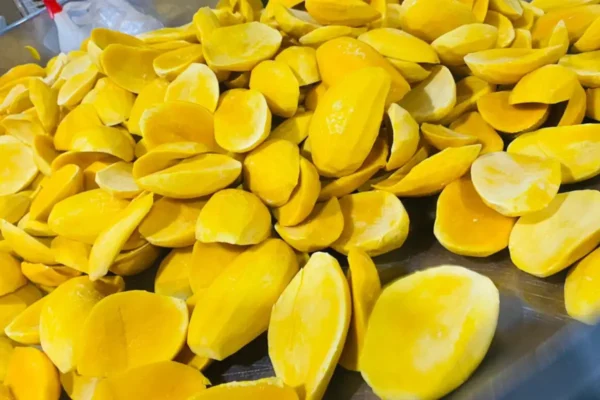
- Washing and initial processing: The raw materials are washed to remove dirt and external impurities. The mangoes are then peeled, deseeded, and the flesh is inspected before cutting.
- Cutting to specification: Mangoes can be cut into pieces, slices, dice, or pureed depending on order requirements. For B2B customers, cut specifications directly affect portion control, production recipes, and the characteristics of the finished product.
- Quick freezing: After pre-processing, the mango is placed in a low-temperature freezing system. With IQF technology, individual mango pieces are quickly frozen separately, making them easier to use than block-frozen products.
- Packaging and storage: Products are packed according to suitable specifications such as 500 g bags, 1 kg bags, 10 kg cartons, or customized packaging. After packaging, the mango should be stored in frozen storage to maintain product quality.
Applications of Frozen Mango
Frozen mango is widely used in various food business models.
For cafés, milk tea shops, and beverage businesses, the product is suitable for mango smoothies, mango tea, mango yogurt, juices, blended ice drinks, and fruit toppings. Because the mango has already been pre-processed, frozen mango helps save preparation time and supports faster service.
For restaurants, hotels, and industrial kitchens, frozen mango provides a more reliable year-round fruit supply. The product can be used for desserts, fruit salads, sweet soups, chilled cakes, and buffets.
In industrial food production, frozen mango can be used as an ingredient for ice cream, cakes, jam, puree, yogurt, bottled beverages, and processed foods. For export orders, products can be packed according to specific requirements for weight, packaging, documentation, and target-market standards.
How to Store and Thaw Frozen Mango
Storage conditions directly affect the texture, color, and flavor of the product. In commercial supply chains, frozen mango is generally stored at -18°C or below, depending on the manufacturer’s standards and instructions.
Shelf life may vary depending on the freezing technology, packaging specifications, frozen-storage conditions, and target-market requirements. The applicable shelf life depends on the freezing method, packaging, storage temperature, and standards applied to each batch. Customers should refer to the product label, technical documentation, and supplier instructions.
Suitable Thawing Methods
One of the following methods may be used:
- Transfer the product from the freezer to refrigerated storage and allow it to thaw gradually.
- Take only the required amount and use it immediately for food preparation.
- Use the product directly from frozen for smoothies, ice cream, or certain beverage recipes.
- Thaw the product inside sealed packaging to limit exposure to the external environment.
What to Avoid
- Do not leave the product at room temperature for too long.
- Do not repeatedly refreeze the product after it has completely thawed.
- Do not use products with torn, swollen, or improperly sealed packaging.
- Do not allow the product to come into direct contact with strongly scented foods.
- Do not interrupt the cold chain during transportation or storage.
After opening the package, any unused product should be tightly sealed and stored according to the supplier’s instructions.
How to Choose Quality Frozen Mango
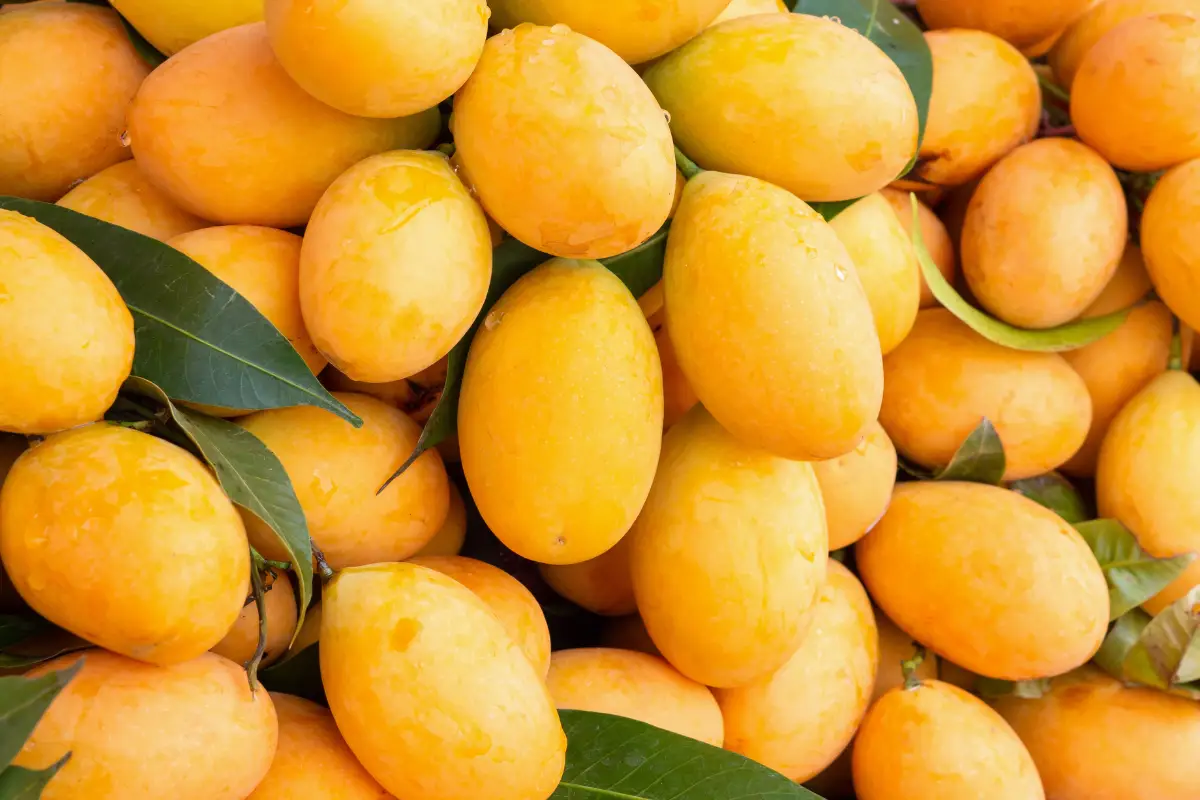
When selecting a frozen mango supplier, businesses should not compare price alone but should also evaluate overall product quality and supply capability.
A good product generally has a natural yellow color without unusual darkening, no unusual odors, and no excessive ice accumulation. Mango pieces should have relatively consistent dimensions suitable for their intended use.
Businesses should also check packaging specifications, storage conditions, shelf life, the supplier’s ability to provide stable quantities, and quality documentation when the product is intended for food production or export.
A reliable supplier should also be able to recommend suitable specifications for different applications such as beverages, bakery products, ice cream, puree, or commercial packaging.
What Factors Affect the Price of Frozen Mango?
The price of frozen mango may vary depending on the season, mango variety, ripeness, cut specification, freezing technology, packaging, order quantity, and quality requirements.
Common factors affecting the quotation include the mango variety used, product format, packaging specifications, order volume, delivery conditions, and requirements for documentation or testing.
Therefore, to receive an accurate quotation, customers should clearly provide their intended use, required specifications, expected order volume, and delivery location.
VILIFA – Frozen Mango Supplier for Businesses
VILIFA supplies frozen mango for food processing, beverages, restaurants, hotels, distributors, and B2B customers. The product is developed with a focus on stability, convenience, and suitability for a wide range of practical applications.
Customers can contact VILIFA for consultation regarding:
- Suitable frozen mango specifications.
- Mango pieces, dice, slices, or puree.
- Packaging specifications according to requirements.
- Wholesale quantities or large-volume orders.
- Requirements for production, beverage preparation, or export.
- Quality documentation and product information for individual batches.
With the advantage of Vietnam’s abundant agricultural resources, VILIFA aims to provide a stable supply of frozen fruit products to meet the growing needs of both domestic and international markets.
VILIFA can provide consultation on product format, cut size, packaging specifications, and suitable volumes for different applications. Customers looking to purchase frozen mango wholesale can contact VILIFA for product information and quotations based on individual orders.
Reviews
There are no reviews yet.