


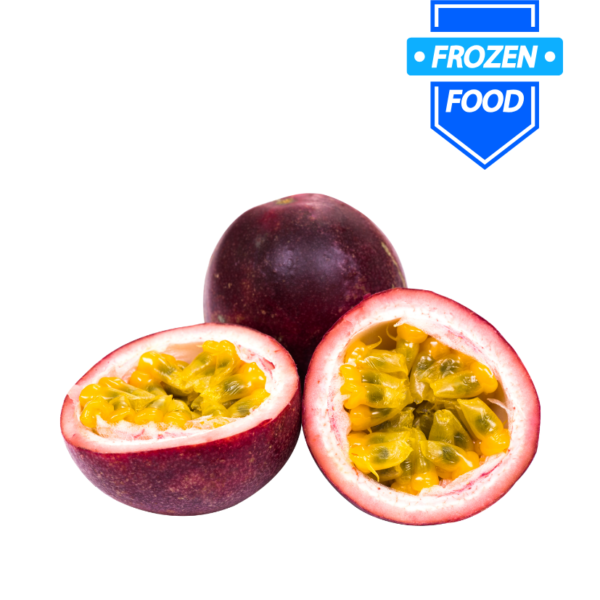
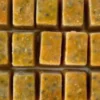


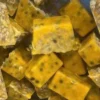
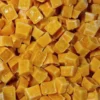
Frozen passion fruit is a stable and convenient ingredient solution for beverage manufacturers, bakery and food-processing facilities, restaurant and hotel chains, and food import-export businesses. It helps overcome the seasonal limitations of fresh passion fruit, reduces preparation time and raw-material waste, and supports standardized recipes in large-scale production.
For food manufacturers, F&B businesses, HORECA operators, and import-export companies, frozen passion fruit also offers greater consistency in raw-material supply while simplifying transportation, cold storage, and industrial-scale processing.
What Is Frozen Passion Fruit?
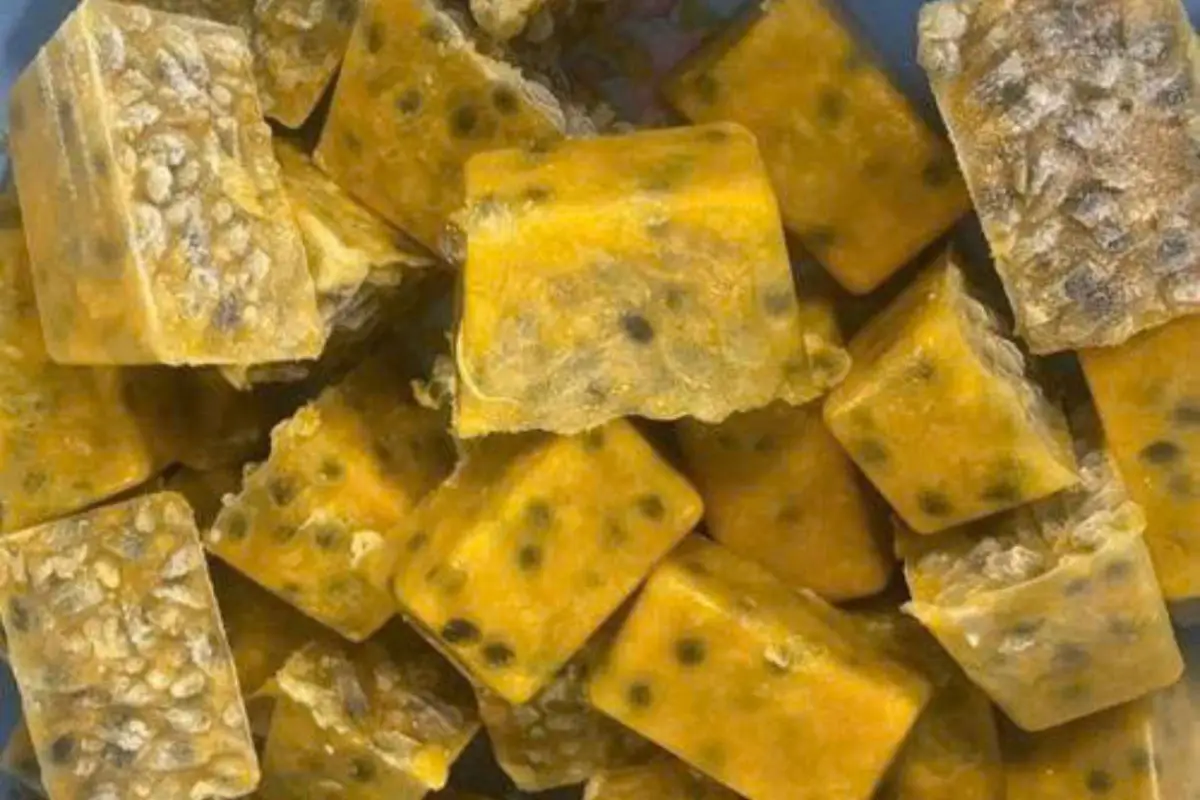
Frozen passion fruit is produced from fresh passion fruit harvested at an appropriate stage of ripeness. After sorting, cleaning, and removing the outer shell, the pulp—including juice, flesh, and seeds—is processed and frozen to extend its shelf life.
Depending on the intended application, the product may be supplied with seeds, processed into puree, or filtered to produce passion fruit juice.
Compared with fresh passion fruit, frozen passion fruit helps businesses eliminate several preparation steps such as washing, cutting, and manually extracting the pulp. It is also a practical frozen-fruit solution for manufacturers that require a stable year-round supply of raw materials.
The two most commonly used forms in B2B food production are frozen passion fruit pulp and frozen passion fruit puree.
Common Types of Frozen Passion Fruit
In the food-ingredient market, frozen passion fruit is available in several forms depending on the intended processing application.
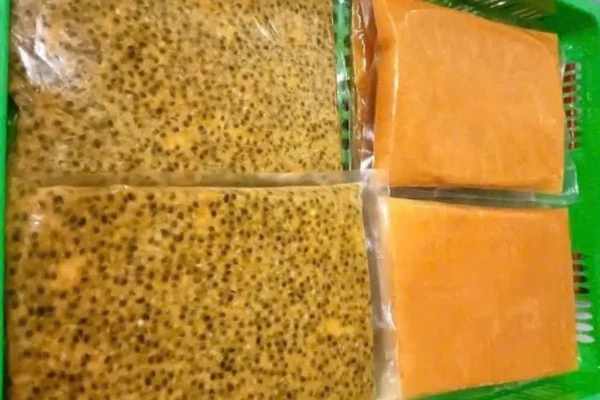
Frozen Passion Fruit Pulp with Seeds
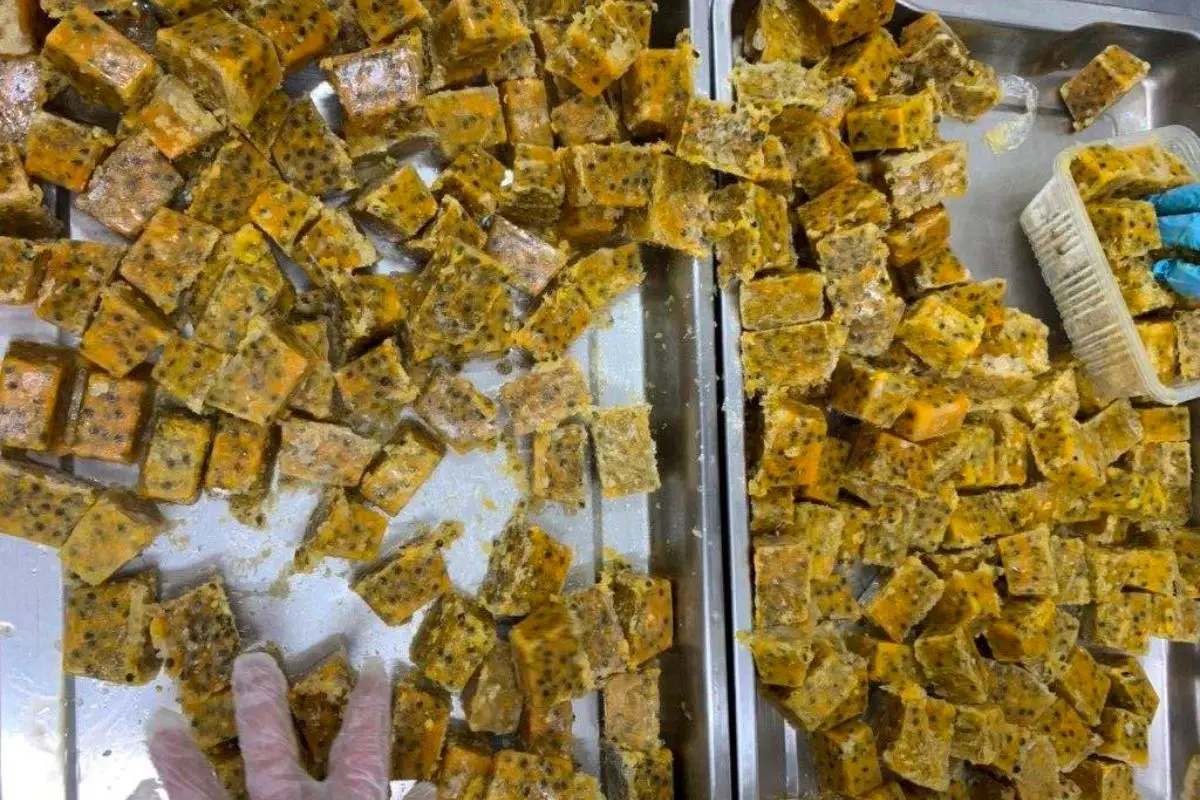
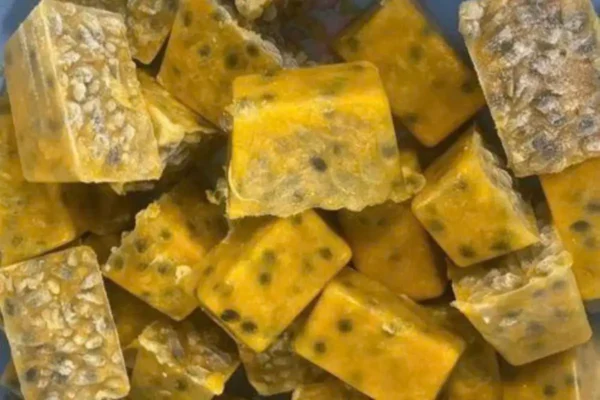
Frozen passion fruit pulp retains the juice, flesh, and characteristic seeds of passion fruit.
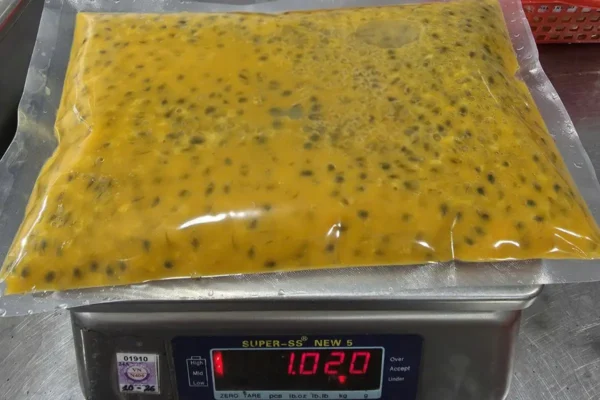
The product has a liquid consistency, natural thickness, and a color ranging from orange-yellow to deep yellow. The seeds are retained, giving the finished product characteristics closer to fresh fruit and making it suitable for fruit tea, cocktails, toppings, jams, sauces, and various beverage products.
Frozen passion fruit pulp is commonly chosen by beverage shops, F&B chains, and food factories that want to retain the distinctive appearance and texture of passion fruit seeds.
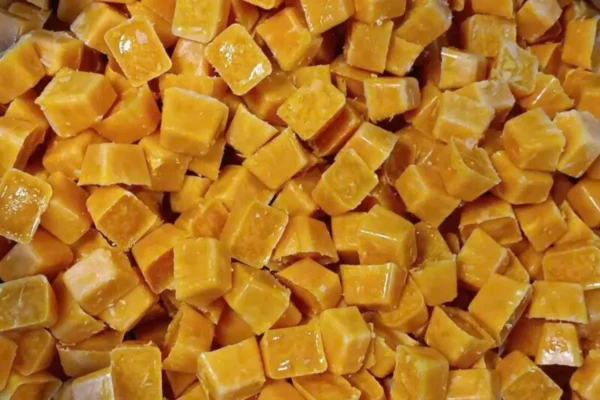
Frozen Passion Fruit Puree
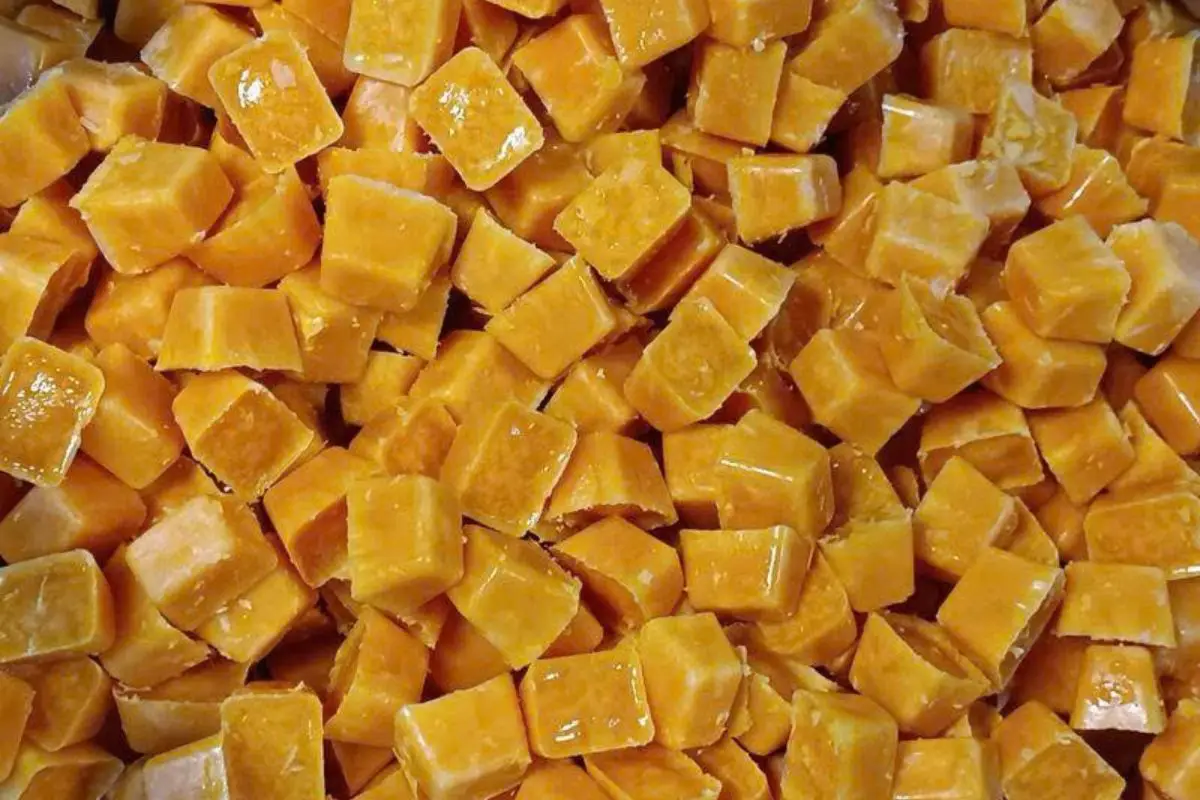
The product is blended into a puree and is usually filtered to remove part or all of the seeds. It has a smooth and uniform texture, making it easy to measure and blend in industrial production. Passion fruit puree is commonly preferred for the production of bottled juices, ice cream, yogurt, dessert sauces, and bakery fillings.
Frozen Passion Fruit Juice (Passion Fruit NFC Juice)
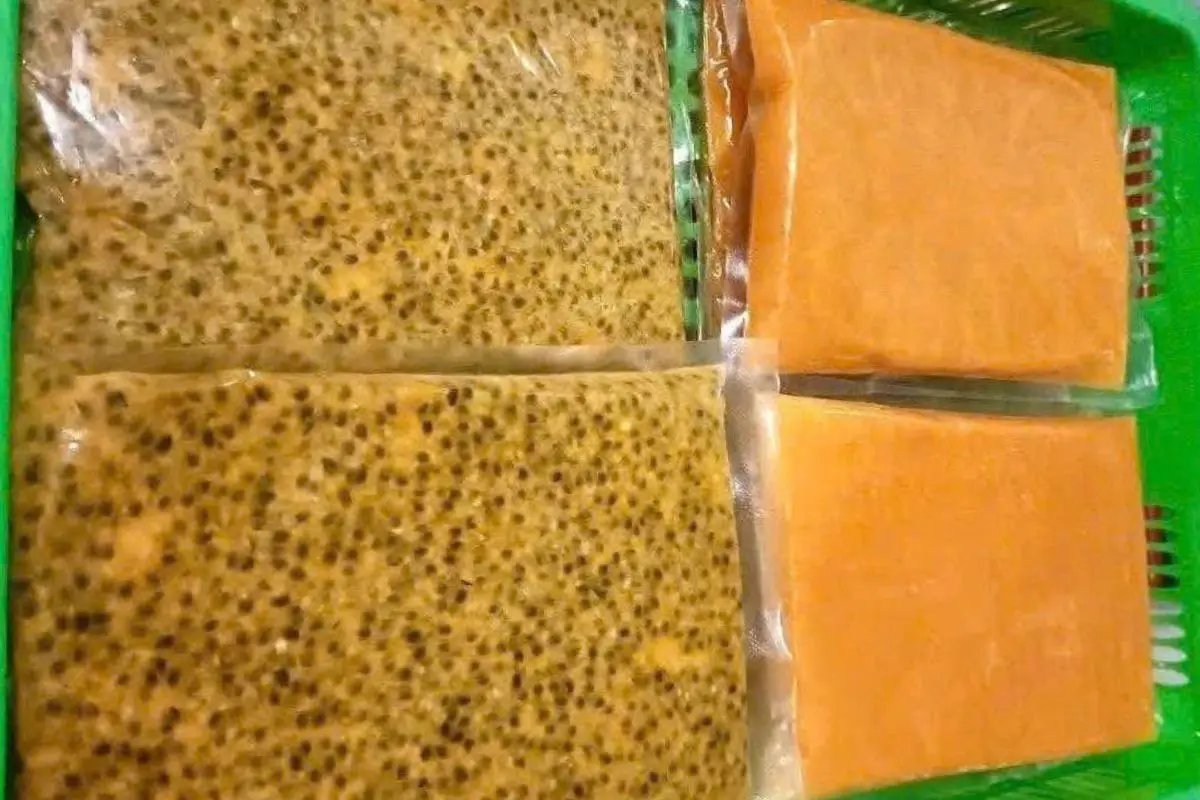
This is a non-concentrated juice that may have the seeds and part of the fruit flesh filtered out. The product has a more liquid consistency than puree and is suitable for beverage factories that require a liquid ingredient for direct blending.
Bulk Passion Fruit Puree for Industrial Use
This is a large-volume packaging format commonly intended for food factories and importers. The product may be supplied as puree or pulp and packed in PE bags, cartons, or customized packaging according to customer requirements.
Depending on the intended use, businesses may request the supplier to adjust the seed ratio, consistency, or Brix level of the product. Specific specifications should be confirmed with the supplier before placing an order.
Characteristics of Frozen Passion Fruit
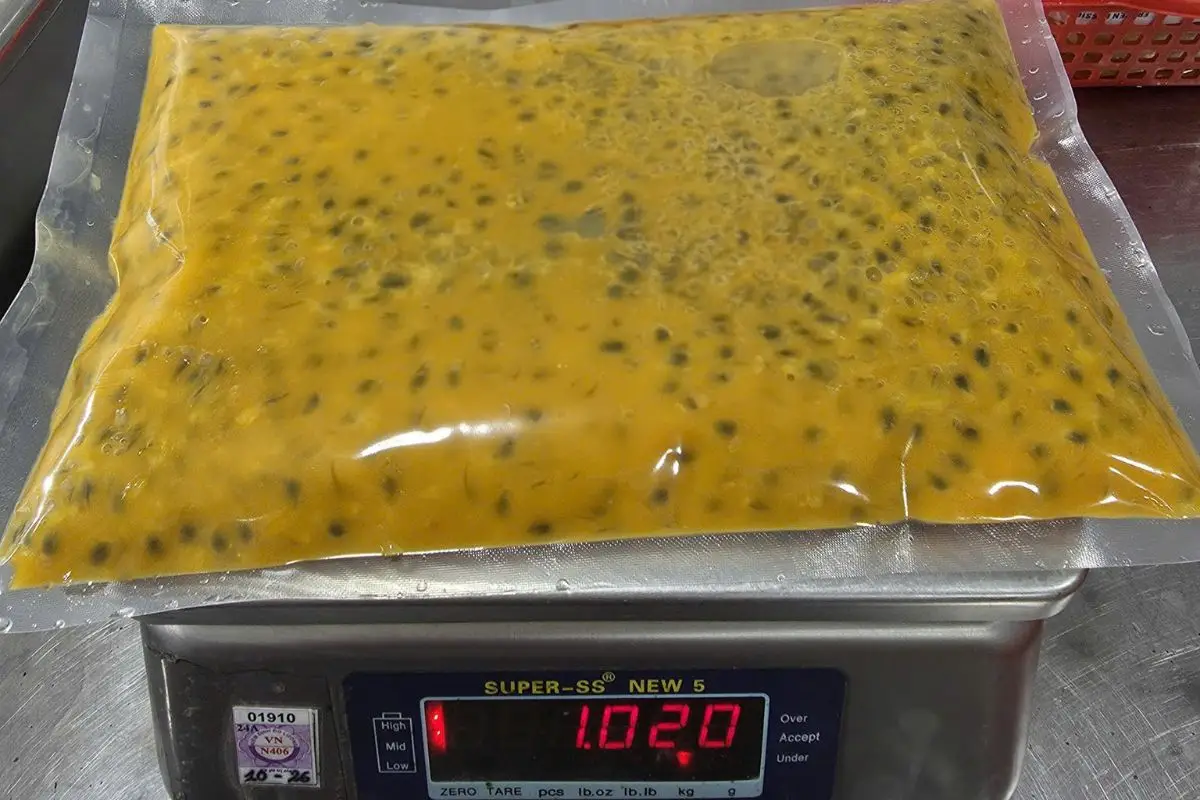
The quality of frozen passion fruit is evaluated based on several factors that buyers should consider.
- Color
A quality product usually has an orange-yellow to deep yellow color that is relatively consistent between batches. The color depends on the passion fruit variety, ripeness at harvest, and processing conditions. Oxidation during blending and storage may affect the color if it is not properly controlled.
- Flavor and Aroma
High-quality frozen passion fruit retains the characteristic tart taste, mildly sweet aftertaste, and strong aroma of fresh passion fruit. However, frozen products may have slightly less intense aroma compared with freshly harvested fruit. The degree of difference depends on the variety, ripeness, and freezing technology.
- Texture
The product has a liquid consistency with natural thickness, and the seeds are relatively evenly distributed. For puree products, the texture should be smooth and should not show severe separation after thawing. Slight liquid separation may occur and can usually be corrected by stirring well before use.
- Ripeness and Consistency
Raw materials harvested at the appropriate level of ripeness generally produce more consistent finished-product quality. Consistency between production batches is an important factor for food factories that need to standardize their recipes.
- Storage Capability
Products that are properly frozen and stored at the standard temperature can maintain their quality for an extended period. Shelf life should be determined according to the product label and technical documentation.
Is Frozen Passion Fruit Delicious?
The flavor of frozen passion fruit and passion fruit puree depends largely on the quality of the raw materials and the processing technology. When produced from passion fruit harvested at the proper level of ripeness, the product retains its characteristic tartness, mild sweet aftertaste, and recognizable aroma.
Compared with fresh passion fruit, frozen passion fruit may have a slightly reduced aroma intensity due to the freezing and storage process. However, in applications such as beverage preparation, baking, and food manufacturing, this difference generally does not significantly affect the quality of the final product.
Passion fruit puree has a smoother texture and is suitable for products that require a high level of uniformity. Frozen passion fruit pulp with seeds provides an experience closer to fresh passion fruit, particularly in beverages where visible passion fruit seeds are desired.
The sensory quality of the product is also influenced by the passion fruit variety, ripeness at harvest, the time between harvesting and processing, and cold-chain conditions. Businesses should request samples and documentation for each batch to evaluate the product before making a purchasing decision.
Frozen Passion Fruit Production and Processing Process
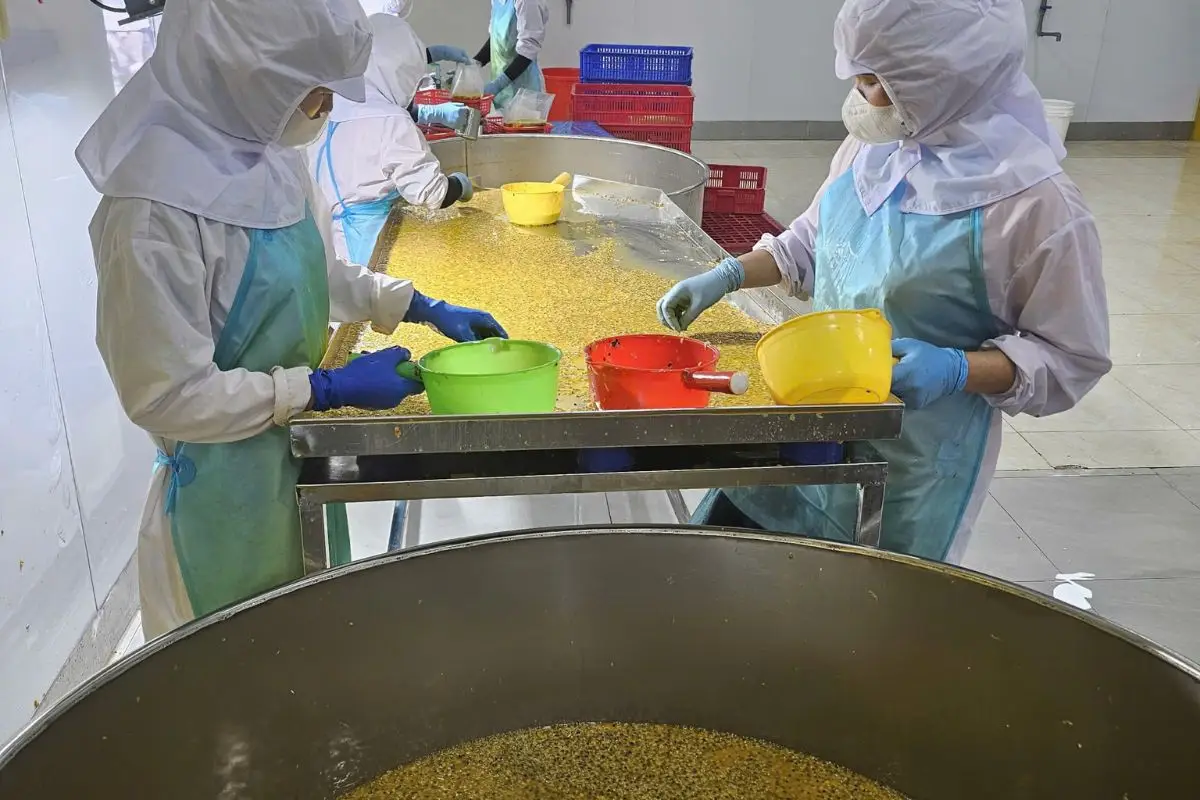
Below is a common process used in the frozen passion fruit and passion fruit puree processing industry and applied by many export-oriented fruit processing factories.
- Raw material area selection: Passion fruit is sourced from growing areas with suitable climatic and soil conditions, with preference given to areas where traceability can be ensured.
- Harvesting at the appropriate level of ripeness: The fruit is harvested when it reaches technical maturity, ensuring suitable soluble solids content and an optimal juice yield for processing.
- Sorting and removal of unsuitable raw materials: The fruit is sorted to remove bruised, damaged, moldy, or insufficiently ripe fruit.
- Washing and cleaning: The fruit is washed with clean water to remove dirt and impurities from the peel.
- Pulp extraction: The fruit is cut in half, and pulp-separating equipment is used to collect the fruit flesh, juice, and seeds.
- Processing for puree: The extracted pulp may be blended and passed through a filtration system to partially or completely remove the seeds and produce puree.
- Quick freezing: The product is quickly frozen using IQF technology or block freezing, depending on the finished-product requirements.
- Quality inspection: Samples of frozen passion fruit are tested for sensory, physicochemical, and microbiological parameters before packaging.
- Packaging: The product is packed in food-grade packaging, either vacuum-sealed or non-vacuum packed, depending on the specifications.
- Storage: Finished products are stored in cold storage at the standard temperature while awaiting transportation.
- Transportation: The product is transported by refrigerated trucks or reefer containers, maintaining the cold chain until it reaches the customer’s warehouse.
The specific process may vary between factories. Businesses should communicate directly with the supplier to clearly understand the process applied to each production batch. International standards such as Codex Alimentarius also provide useful reference guidelines for frozen fruit processing practices.
Frozen Passion Fruit Processing Technology
Freezing technology plays an important role in maintaining the quality of frozen passion fruit and passion fruit puree.
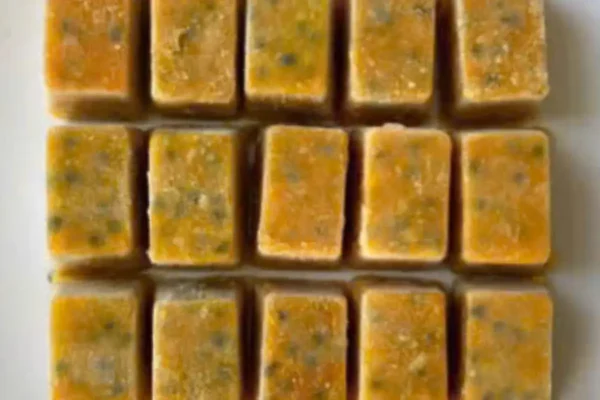
- IQF Quick Freezing Technology
IQF (Individual Quick Freezing) is a rapid freezing method in which individual pieces or portions of the product are frozen separately. For frozen passion fruit pulp, this technology can be used to create small, separate frozen portions, allowing customers to take only the amount needed without having to thaw the entire package.
Rapid freezing can help limit the size of ice crystals formed in the product, thereby reducing their impact on the texture of the fruit flesh after thawing. However, no technology can completely preserve the color, nutritional value, and flavor of a fresh product without any change.
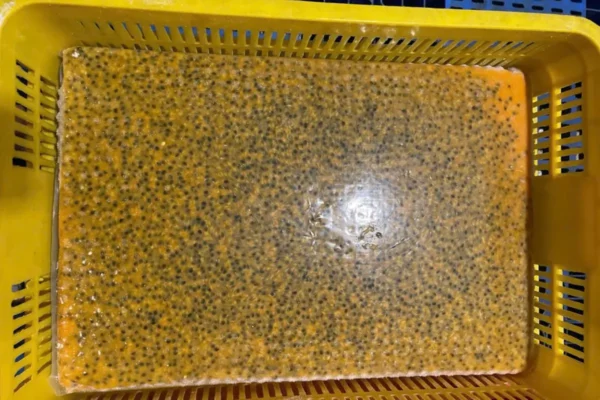
- Block Frozen
This method freezes the product into large blocks inside the packaging. It is commonly used for bulk passion fruit puree intended for industrial production. When using this format, customers need to thaw the entire block or plan their usage according to the large package size.
- Cold Chain
For frozen passion fruit, as well as other frozen fruits, the cold chain is an important factor from storage at the factory through transportation and warehousing.
Regardless of the freezing technology used, maintaining an uninterrupted cold chain from the factory’s cold storage to the customer’s warehouse is essential. A disruption in the cold chain may cause the product to partially thaw and then refreeze, affecting both product quality and food safety.
Freezing technology directly affects the product’s storage capability, texture, and convenience of use.
Advantages of Frozen Passion Fruit
Using frozen passion fruit and passion fruit puree provides many practical benefits for food and beverage manufacturers.
- Year-round raw material availability: Helps overcome the seasonality of fresh passion fruit, ensuring that businesses have raw materials available for production throughout the year.
- Reduced preparation time: The product has already been processed, so there is no need for manual washing, cutting, or pulp extraction, helping save labor and time.
- Reduced raw material loss: Unused peel and seeds are removed, so businesses pay only for the fruit pulp or finished puree.
- Recipe standardization: Consistent quality between batches helps maintain the stability of the final product’s flavor.
- Extended shelf life: Frozen products have a much longer shelf life than fresh passion fruit, helping reduce inventory pressure.
VILIFA – A Reliable Frozen Passion Fruit Supplier in the Market
VILIFA supplies frozen fruits and processed agricultural products to food factories, beverage businesses, F&B/HORECA systems, distributors, and import-export customers.
For frozen passion fruit products, businesses can discuss their requirements with VILIFA to select product specifications suitable for their actual applications.
Depending on each order, requirements regarding product form, seed ratio, packaging specifications, weight, order quantity, and technical standards should be confirmed before quotation.
For businesses looking for a frozen fruit processing company or a long-term source of raw materials for production, providing technical requirements in advance will help make the consultation and product selection process more accurate.
Contact VILIFA for detailed information and a quotation for frozen passion fruit according to your requirements.

Reviews
There are no reviews yet.